Follow Me On Social Media!

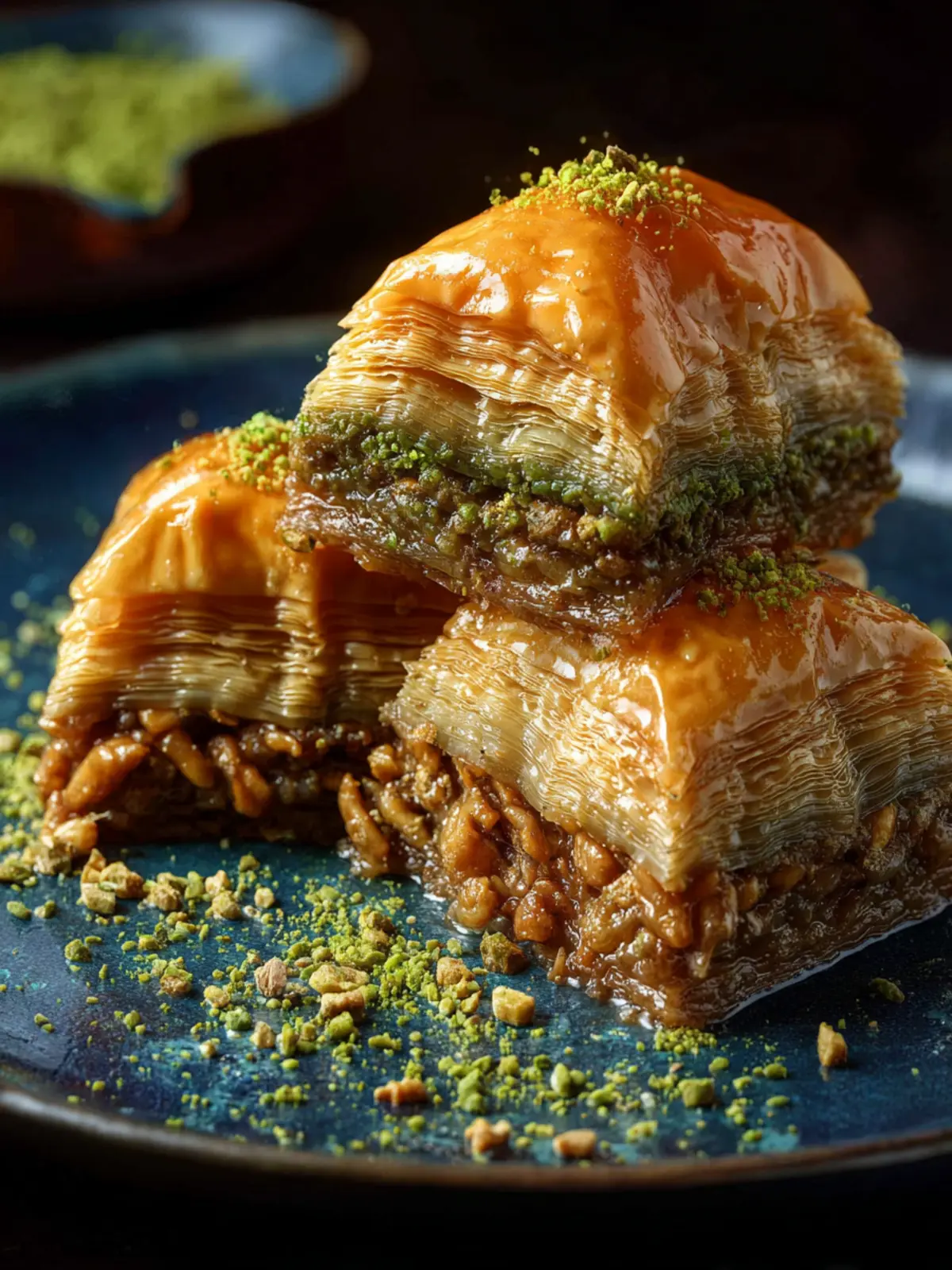
Turkish Baklava Bliss: Irresistibly Sweet and Easy to Make

Introduction to Turkish Baklava
There’s something truly magical about Turkish Baklava, a dessert that draws you in with its golden, flaky layers and rich, sweet decadence. Originating from the Ottoman Empire, baklava has journeyed across time and borders, enchanting food lovers with its versatile flavors and delightful textures. Each bite of this delicacy tells a story of intricate craftsmanship and cultural fusion, making it not just a treat, but a cherished tradition.
As you delve into the world of Turkish Baklava, you’ll discover why it holds a special place in hearts around the globe. In Turkey, it’s more than just a dessert—it’s a symbol of hospitality and celebration, often served during significant occasions like weddings, Ramadan, or family gatherings. The sweet aroma of baked pastry, combined with the nutty scent of pistachios or walnuts, can transport you to bustling bazaars and sun-soaked cafes.
But what truly makes Turkish Baklava a beloved dessert across cultures?
The Universal Appeal of Baklava
Turkish Baklava transcends cultural boundaries, appealing to a diverse range of palates. Its layers of thin, buttery pastry, known as phyllo (or fillo), are generously filled with finely chopped nuts, and sweetened with a fragrant syrup made from sugar, lemon, and water. The rich combination of crunchy textures and sweet, sticky syrup creates a unique experience for every bite.
Beyond its delightful taste, baklava serves as a bridge between cultures. From Greece to the Middle East, variations exist that reflect local ingredients and traditions, yet the essence remains: it’s about sharing joy and sweetness. For many, indulging in baklava is a comforting ritual, reminiscent of family gatherings and warm memories.
In a world where culinary experiences often reflect our shared humanity, Turkish Baklava stands out—not just as a dessert, but as a testament to heritage, love, and celebration. So, as you prepare to whip up this stunning dish, remember that you aren’t just following a recipe; you are partaking in a centuries-old tradition that connects us all.
Key Ingredients for Turkish Baklava
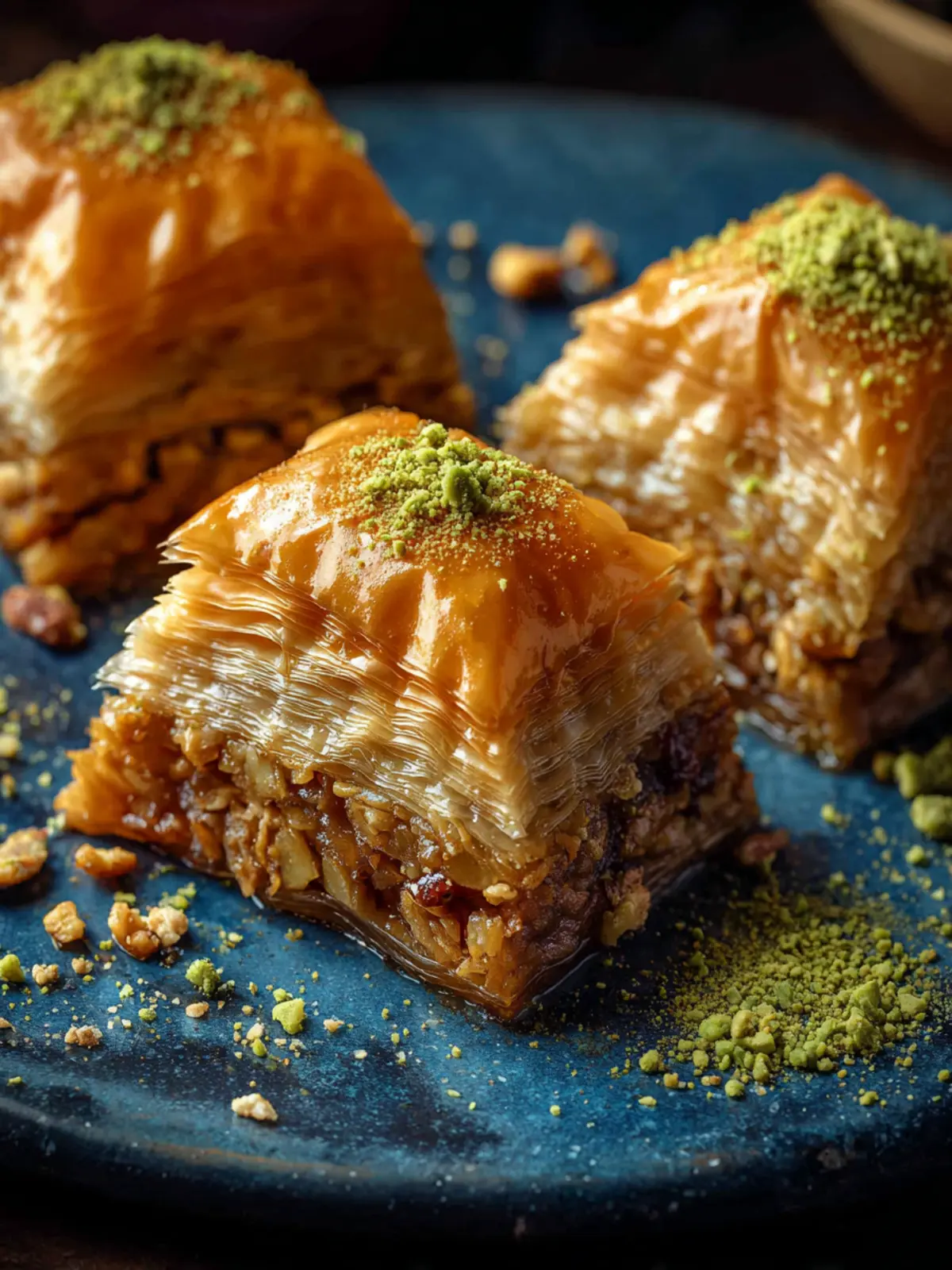
Sugar: The magic of Turkish Baklava truly comes from its syrup. A blend of sugar and water, often with a splash of lemon juice, creates an enticingly sweet syrup that melds beautifully with the layers of pastry. This syrup is poured over the baklava while it’s hot, allowing each bite to soak up the sweetness that defines this delightful dessert.
Phyllo sheets: The heart of baklava lies in its phyllo sheets, which are incredibly thin and need careful handling. When layered generously and brushed with butter, these sheets create that signature flaky texture. Each bite offers a satisfying crunch that contrasts wonderfully with the nutty filling.
Unsalted butter: I use unsalted butter to brush the phyllo layers, not just for flavor but to ensure a rich, golden-brown crust. The butter envelopes each sheet, infusing richness into the pastry while helping it crisp up beautifully in the oven.
Walnuts: Chopped walnuts form the delicious filling in baklava, providing that nutty flavor that balances the sweet syrup. Their texture adds a delightful contrast, making the baklava all the more enjoyable.
Lemon: A touch of lemon elevates the syrup, cutting through the sweetness and adding a bright note. This simple addition transforms the baklava, making each bite refreshing and not overly rich.
Why You’ll Love This Recipe
Turkish Baklava is not just a dessert; it’s a celebration of heritage, flavor, and craftsmanship that has been cherished for centuries. Imagine layering delicate pastry with rich nuts and a touch of cinnamon, then soaking it all in sweet syrup. Each bite offers a delightful contrast between the flaky texture and the gooey sweetness.
Here’s why this recipe will become a favorite in your kitchen:
-
Breathtaking Layers: The magic lies in the phyllo dough—thin, crispy layers that melt in your mouth. Working with phyllo might seem daunting at first, but it’s incredibly rewarding. You’ll feel like a pro as you watch those thin sheets transform into a beautiful masterpiece.
-
Nutty Goodness: The blend of walnuts and pistachios not only gives baklava its signature flavor but also adds texture. It’s a nutty adventure you wouldn’t want to miss.
-
Sweet Simplicity: The syrup made from honey and sugar brings all the elements together, adding an irresistible gloss and sweetness. It’s easy to whip up and enhances the flavors beautifully.
-
Culinary Connection: Sharing baklava with friends or family often leads to stories, laughter, and cherished memories around the table. It’s more than just a treat; it’s an experience.
Embrace the joy of making Turkish Baklava. This recipe will not just fill your tummy, but also your heart.
Variations of Turkish Baklava
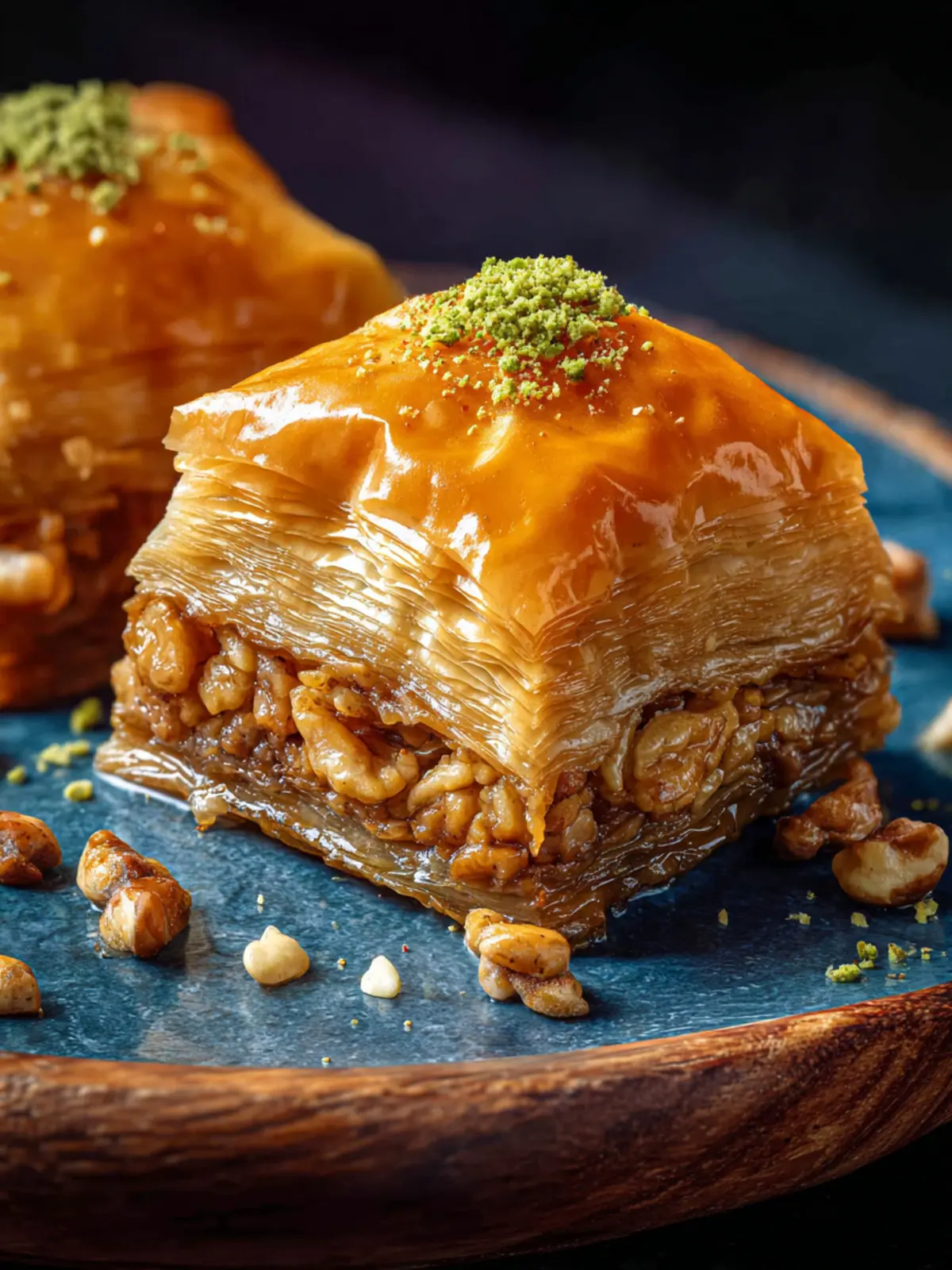
Exploring the world of Turkish Baklava can be just as delightful as savoring the rich, honey-soaked treat itself. Each spin on the classic recipe allows you to embody your creativity while still enjoying the decadent textures and flavors that define this beloved dessert.
Nut Substitutions for New Flavor Profiles
While the traditional Turkish Baklava is often made with walnuts or pistachios, swapping in other nuts can lead to exciting variations. Consider using:
- Almonds: They bring a subtle sweetness and a slightly softer bite.
- Pecans: With their distinct buttery flavor, pecans add a lovely richness.
Experimenting with these nuts not only enhances the flavor but also creates a unique texture that makes each slice memorable.
Flavor Infusions for a Unique Twist
If you feel adventurous, introducing spices can elevate your Turkish Baklava to extraordinary heights. Try:
- Cinnamon: Known for its warm, aromatic quality, this spice complements the sweetness perfectly.
- Cardamom: This exotic spice adds a touch of floral complexity that can surprise and delight.
These infusions create layers of flavors, making your baklava a conversation piece at any gathering. Why not host a taste test and discover which variation your friends prefer? Each bite could tell a new story!
Cooking Tips and Notes for Turkish Baklava
Crafting the perfect Turkish Baklava is an art that requires care, patience, and the right techniques. Here are some key tips to elevate your baklava game!
Working with Phyllo: Best Practices
When dealing with phyllo dough, the tendency for tearing or drying out can be a real challenge. To maintain its delicate texture:
- Keep it covered: Always cover unused sheets with a damp kitchen towel to prevent drying. Phyllo dries quickly, so this is crucial.
- Work swiftly: Lay down a layer, brush it with melted butter, then add another layer without lingering too long between each step. This ensures moisture retention.
- Choose quality phyllo: High-quality phyllo will be easier to handle and yield better results.
Storing Baklava for Longevity
To enjoy your Turkish Baklava for days to come while keeping it fresh:
- Let it cool completely: After baking, allow your baklava to cool completely before covering it. This prevents condensation, which can make it soggy.
- Store in an airtight container: Line the container with parchment paper, and stack your baklava layers carefully. This helps maintain crispiness.
- Refrigeration: If storing for more than a few days, refrigeration is advisable. Just remember to let it come to room temperature before serving for the best taste.
With these tips in hand, your journey into making delightful Turkish Baklava will surely be a success! Happy baking!
Serving Suggestions for Turkish Baklava
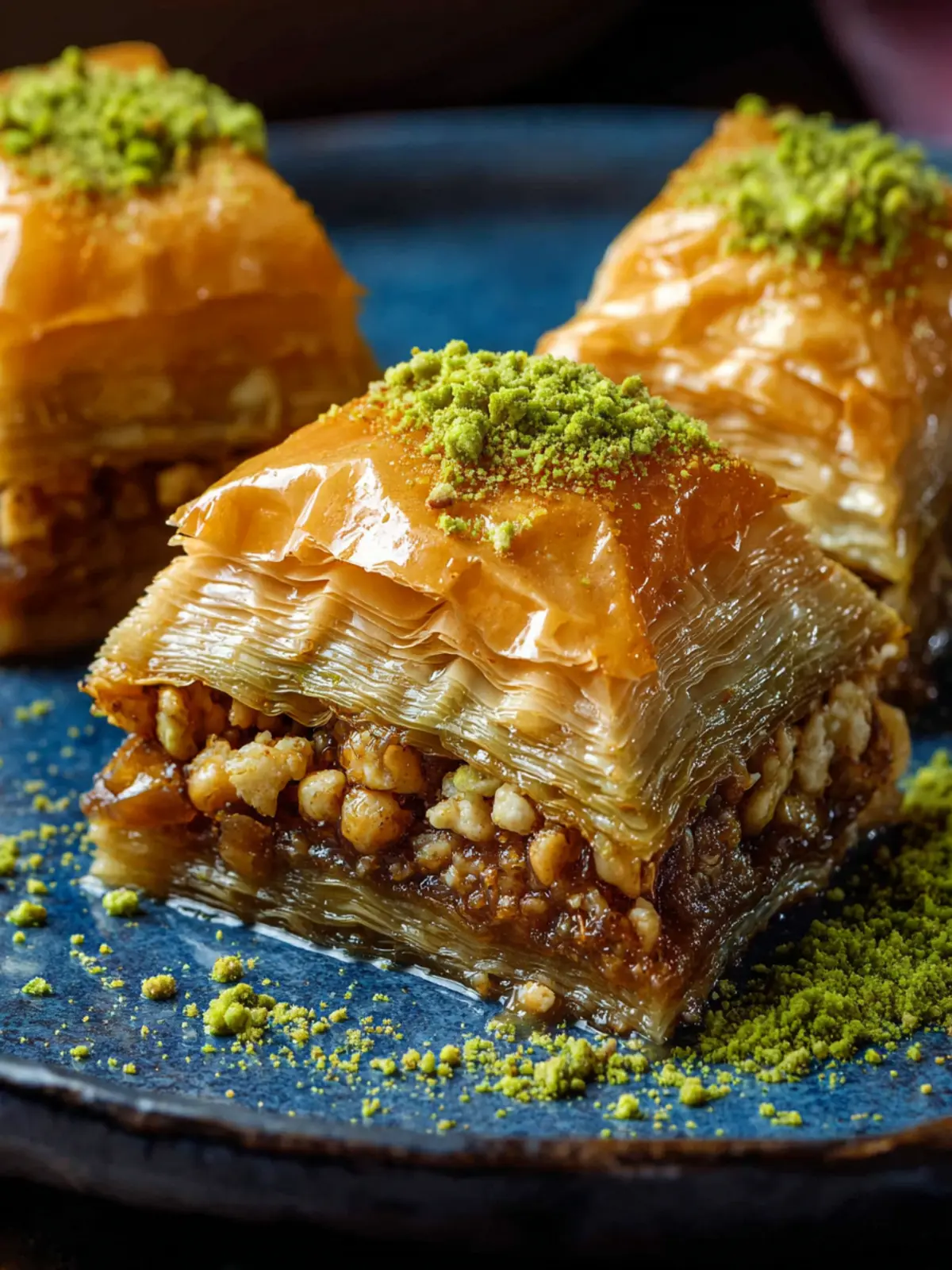
Turkish Baklava isn’t just a treat; it’s an experience that deserves to be savored alongside thoughtfully selected accompaniments.
Traditional Pairings
To truly enhance the rich and nutty flavors of Turkish Baklava, consider these classic pairings:
- Tea: A hot cup of strong Turkish tea offers a wonderful contrast to the sweetness. The slight bitterness of the tea beautifully balances the syrupy baklava.
- Coffee: Turkish coffee, with its robust flavor and heavily brewed style, creates a delightful match. The serving ritual itself adds to the indulgence.
- Yogurt: A dollop of plain yogurt on the side can provide a refreshing and tangy counterpoint, cutting through the dessert’s sweetness.
Creative Servings
Elevate your Turkish Baklava serving game at gatherings with these innovative ideas:
- Dessert Charcuterie Board: Combine baklava with assorted cheeses, fruits, and nuts. This visually appealing arrangement invites guests to sample various flavors harmoniously.
- Mini Tartlets: Cut baklava into squares and place them atop mini tart shells filled with whipped cream or mascarpone for an elegant twist.
- Baklava Sundaes: Crumble baklava over vanilla ice cream, drizzle with honey, and sprinkle some pistachios for an indulgent dessert that everyone will love.
By paying attention to how you serve your Turkish Baklava, you can create memorable moments that celebrate this iconic dish.
Time Breakdown for Turkish Baklava
Making Turkish Baklava is a delightful journey that combines tradition, patience, and love. Understanding the time needed for each step will help you create the perfect batch without feeling rushed.
Preparation time
This wonderful dessert requires about 30 minutes for preparation. You’ll be layering dough with nuts and syrup, which can be quite a meditative process.
Baking time
Once prepared, the baklava bakes for about 45 minutes at a golden hue. Keep an eye on it; the aroma will be irresistible as it browns!
Resting time
After baking, let your baklava rest for at least 2 hours. This step allows the syrup to soak into the phyllo layers thoroughly, ensuring each bite is heavenly.
Total time
In total, you’re looking at approximately 3 hours and 15 minutes from start to finish. Trust me, the taste of your homemade Turkish Baklava will be worth every minute!
Nutritional Facts for Turkish Baklava
Indulging in Turkish Baklava isn’t just a treat for your taste buds; it also comes with its own set of nutritional facts that are worth exploring. Knowing what you’re savoring can enhance your appreciation for this traditional dessert.
Calories per serving
A rich piece of Turkish Baklava typically contains around 150-200 calories. This delightful treat is packed with layers of flaky pastry and sweet syrup, making it a worthwhile splurge during special occasions or a fine end to a savory meal.
Sugar content
When it comes to sweetness, a single serving of Turkish Baklava can have approximately 12-18 grams of sugar. This sugar mainly comes from the syrup, often infused with honey or sugar, enhancing the overall sweetness while balancing the nutty flavors.
Fat content
Fat content in Turkish Baklava generally ranges from 8-12 grams per serving, primarily due to the generous use of butter or oil used to layer the dough. While this adds richness, it’s essential to enjoy it in moderation as part of a balanced diet.
Enjoying Turkish Baklava not only tantalizes your taste buds but also gives you interesting insights into its nutritional profile. Whether it’s a festive occasion or a quiet evening dessert, a little knowledge makes your dessert experience even sweeter!
FAQ about Turkish Baklava
Creating the perfect Turkish Baklava is not just about following a recipe; it’s a delightful experience filled with questions and curiosities. Here, we unravel some common queries to help you master this flaky, syrupy dessert.
Can I make baklava ahead of time?
Absolutely! In fact, preparing your Turkish Baklava a day in advance can enhance its flavor as it absorbs the syrup more fully. After assembling the layers, you can refrigerate it before baking. Once baked, let it cool completely and drizzle with syrup. Store it in an airtight container. This not only keeps it fresh but also allows the flavors to meld beautifully, making for an irresistible treat on serving day.
What’s the best way to cut baklava?
Cutting Turkish Baklava can be tricky but is essential for serving. Opt for a sharp knife to ensure clean lines. You can cut it into traditional diamond shapes or squares, depending on your preference. An easy method involves making deep cuts through the top layers (but not all the way through) before baking. This way, you minimize mess and make it easier for your guests to enjoy their portions.
Why is my baklava soggy?
Sogginess usually stems from two factors: syrup temperature and timing. If the syrup is too hot when poured over the baklava, it could make it soggy. Always allow your syrup to cool to room temperature before drizzling it over the warm baklava. Additionally, if you soak it in syrup for too long, it loses that delightful crispy texture we all cherish. Finding the right balance is key to achieving that perfect bite of flaky goodness enveloped in a sweet layer.
Conclusion on Turkish Baklava
Creating Turkish Baklava is not just about following a recipe; it’s about crafting an experience filled with warmth and shared memories. The flaky layers of phyllo dough, the sweet, nutty filling, and the fragrant syrup intertwine to tell a story of tradition and celebration. As you introduce this delightful dessert into your home, let it be a moment of joy—whether sharing it at a gathering or enjoying a quiet evening treat. Remember, the beauty lies in the details and the love infused into each layer. Embrace the process, and you’ll find that your Turkish Baklava becomes a beloved favorite in your culinary repertoire.
Print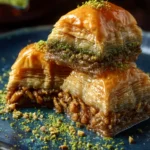
Baklava
- Total Time: 5 hours
- Yield: 20 servings 1x
- Diet: Vegetarian
Description
Traditional baklava with sweet syrup and layers of nuts.
Ingredients
Scale
- 2½ cups sugar
- 2 cups water
- 1 slice lemon
- 25 sheets phyllo sheets (2 packages, thawed if frozen)
- ¾ cup unsalted butter, melted (cooled, not hot)
- 3½ cups walnuts, finely chopped
- 2 tablespoons ground pistachios (optional for garnish)
Instructions
- Prepare the syrup: Combine sugar, water and lemon slice in a saucepan. Bring to a boil, then reduce the heat and simmer for 15 minutes. Let it cool completely.
- Preheat the oven to 350°F (180°C).
- Trim the phyllo sheets to fit your baking pan. Keep them covered with a damp cloth while working so they don’t dry out.
- Butter the bottom and sides of a 9×13-inch (23×33 cm) baking pan.
- Place 1 sheet of phyllo in the pan and brush lightly with melted butter. Add another sheet and butter it. Repeat until you have 5 sheets in total.
- Spread about 100g chopped walnuts evenly over the 5th sheet.
- Add another 5 phyllo sheets, brushing each with butter. After the 5th sheet, sprinkle another layer of walnuts (about 100g).
- Repeat this process two more times, so you have 4 layers of walnuts in total.
- Finish with the final 5 phyllo sheets, brushing each with butter, including the top layer.
- Using a sharp knife, cut the baklava into diamond or square shapes, making sure to cut all the way to the bottom of the pan.
- Bake for about 30 minutes, or until golden brown.
- Remove from the oven and immediately pour the cooled syrup over the hot baklava.
- Let it rest uncovered for at least 4–5 hours so the syrup is fully absorbed.
- Garnish with ground pistachios before serving.
Notes
- Make sure the butter is cooled before applying it to the phyllo layers.
- Cover phyllo sheets with a damp cloth to prevent them from drying out while preparing.
- Let the baklava sit for several hours to absorb the syrup for best flavor.
- Prep Time: 30 minutes
- Cook Time: 30 minutes
- Category: Dessert
- Method: Baking
- Cuisine: Middle Eastern
Nutrition
- Serving Size: 1 piece
- Calories: 200
- Sugar: 10g
- Sodium: 15mg
- Fat: 12g
- Saturated Fat: 7g
- Unsaturated Fat: 4g
- Trans Fat: 0g
- Carbohydrates: 22g
- Fiber: 1g
- Protein: 3g
- Cholesterol: 20mg