Follow Me On Social Media!

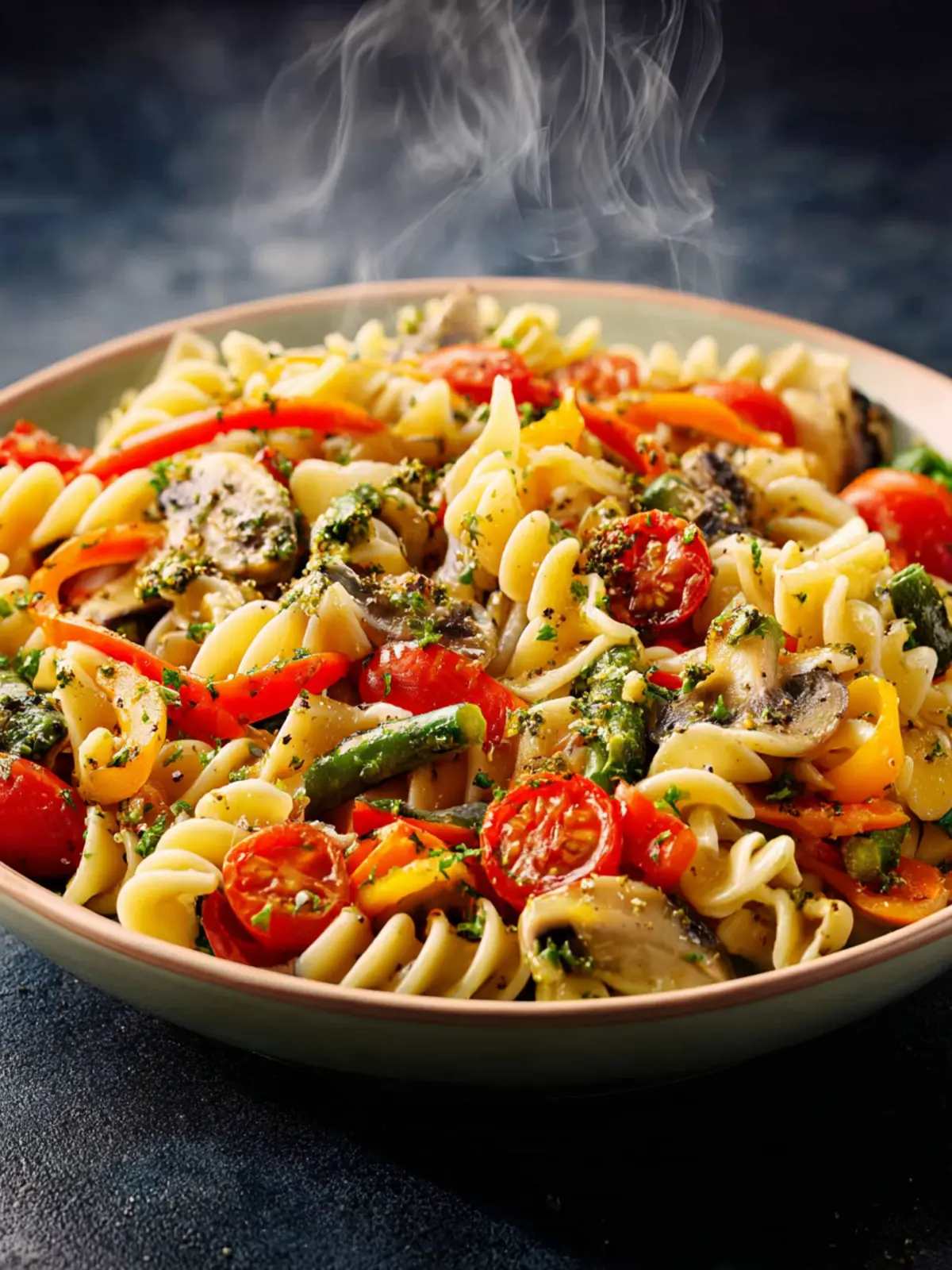
Pasta Primavera: The Easy Veggie Delight You’ll Crave!

Introduction to Pasta Primavera
Pasta Primavera is not just a dish; it’s a celebration of fresh vegetables and the joys of cooking with the seasons. Picture this: it’s a sunny afternoon, and as you wander through your local farmer’s market, vibrant colors of asparagus, bell peppers, zucchini, and cherry tomatoes call out to you. Each colorful veggie holds the promise of a delicious meal that’s both light and satisfying. That’s the essence of Pasta Primavera—a dish that brings together the simplicity of pasta with the brightness of the garden.
What is Pasta Primavera?
Originating from Italy, Pasta Primavera translates to “spring pasta.” Traditionally, the dish showcases a medley of seasonal vegetables sautéed and tossed with pasta, offering a fresh and appealing balance of flavors. While the classic version often uses olive oil and garlic, variations abound, allowing cooks to tailor the dish to their taste preferences and available ingredients.
One of the standout features of this recipe is its versatility. You can use whatever veggies are in season or those you have on hand. Whether you are substituting arugula for spinach or throwing in some sun-dried tomatoes for an extra flavor punch, the possibilities are extensive. Not only is it a great option for a quick weeknight dinner, but it’s also a crowd-pleaser for gatherings or potlucks.
Another reason Pasta Primavera attracts home cooks is its nutritional value. Combining whole grains, various vegetables, and healthy fats (like olive oil) results in a meal that is rich in essential nutrients, fiber, and antioxidants. In fact, making it with whole wheat pasta can boost the fiber content even further, making this dish not just a visual feast but a nourishing one as well.
So, as you embark on making your own Pasta Primavera, don’t hesitate to get creative. Whether you prefer a heavy-handed approach with olive oil, a splash of cream, or a touch of lemon for brightness, this dish encourages improvisation and personal touches. After all, that’s what cooking is all about—bringing your own flavors and stories to the table!
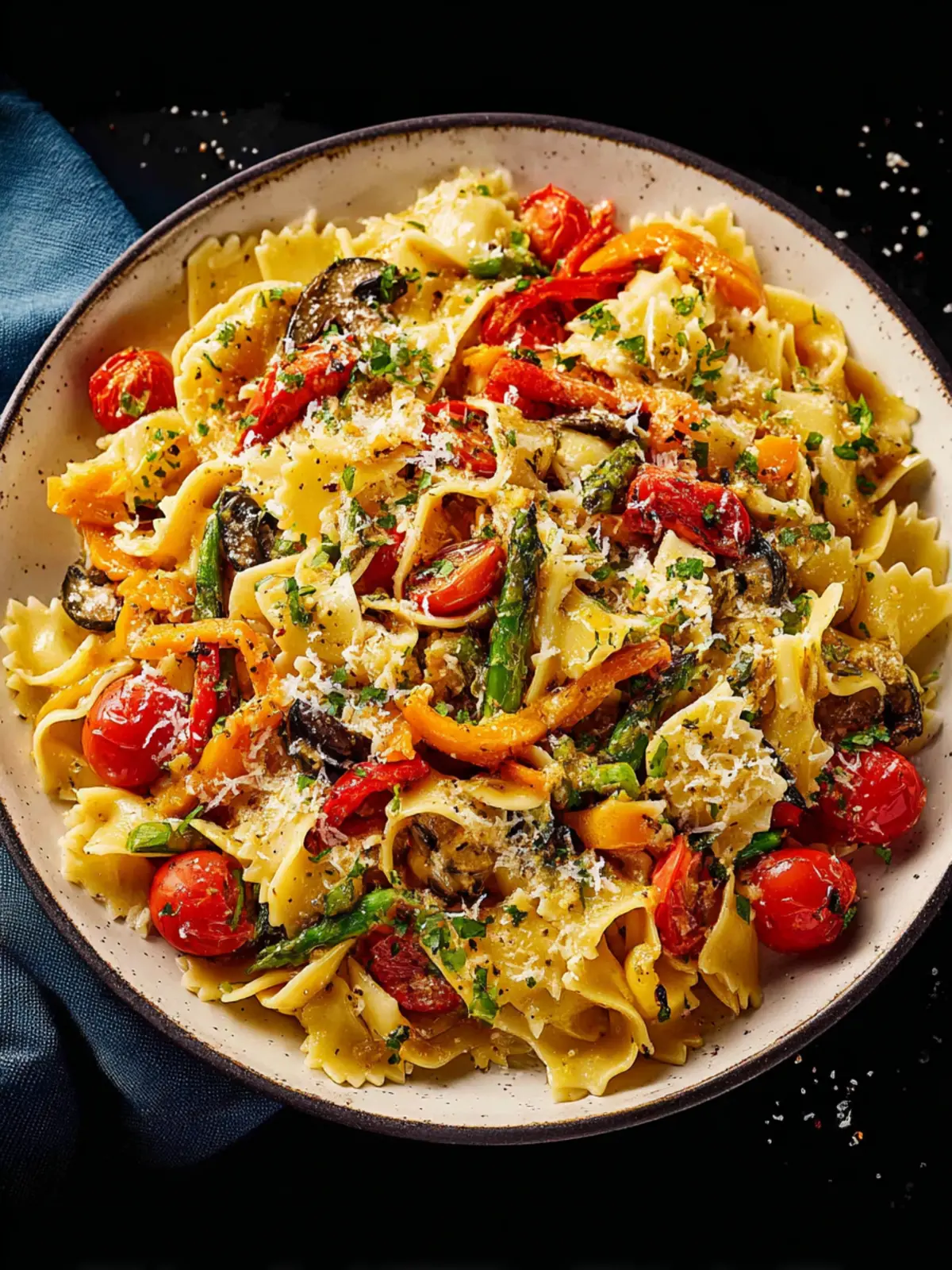
Key Ingredients for Pasta Primavera
Creating a delightful Pasta Primavera requires a thoughtful selection of ingredients that celebrate the vibrancy of fresh vegetables. Let’s explore what makes this dish so special!
Pasta: I prefer using whole wheat or regular pasta as the base for this dish. Whole wheat adds a nutty flavor and extra fiber, while regular pasta gives that classic texture we all love. Cook it al dente to get the perfect bite!
Olive Oil: A high-quality extra virgin olive oil is essential for sautéing the vegetables. Its rich flavor enhances the dish and adds a healthy fat that complements the spring vegetables beautifully.
Fresh Vegetables: For the best results, a mix of seasonal vegetables is key. Think bell peppers, zucchini, cherry tomatoes, and asparagus. Fresh veggies not only add vibrant colors but also vital nutrients that make this dish shine.
Garlic: A few cloves of minced garlic elevate the flavor profile. Sautéing garlic in olive oil creates a warm, aromatic base that pulls all the flavors together.
Herbs: Fresh basil and parsley are my go-to herbs for Pasta Primavera. They enhance the freshness of the vegetables and add an aromatic touch that makes every bite memorable.
With these key ingredients, you’re on your way to making a delicious and colorful Pasta Primavera that celebrates the joys of fresh produce!
Why You’ll Love This Recipe
Pasta Primavera is more than just a dish; it’s a celebration of vibrant vegetables and swirling pasta, all brought together in a harmonious blend. Imagine the crisp bite of fresh bell peppers and the delightful crunch of tender asparagus, each ingredient carefully selected to create a symphony of flavors. This recipe stands out for its simplicity and versatility, making it the perfect choice for a weeknight dinner or a gathering with friends.
-
Health-Conscious: With loads of colorful vegetables, this dish is packed with vitamins and nutrients. You’re not just enjoying a delightful meal; you’re also nourishing your body.
-
Quick and Easy: In under 30 minutes, you’ll have a delicious meal on the table. Whether you’re a culinary novice or a seasoned chef, the straightforward steps will guide you seamlessly.
-
Customizable: Feel free to swap in your favorite veggies or add proteins like chicken or shrimp. The beauty of Pasta Primavera is that it adapts to your preferences.
-
Flavorful Sauce: A light garlic and olive oil sauce perfectly complements the vegetables without overpowering them, allowing each unique flavor to shine.
Once you try this Pasta Primavera recipe, it will quickly become a staple in your meal rotation, delighting your taste buds and impressing your guests!
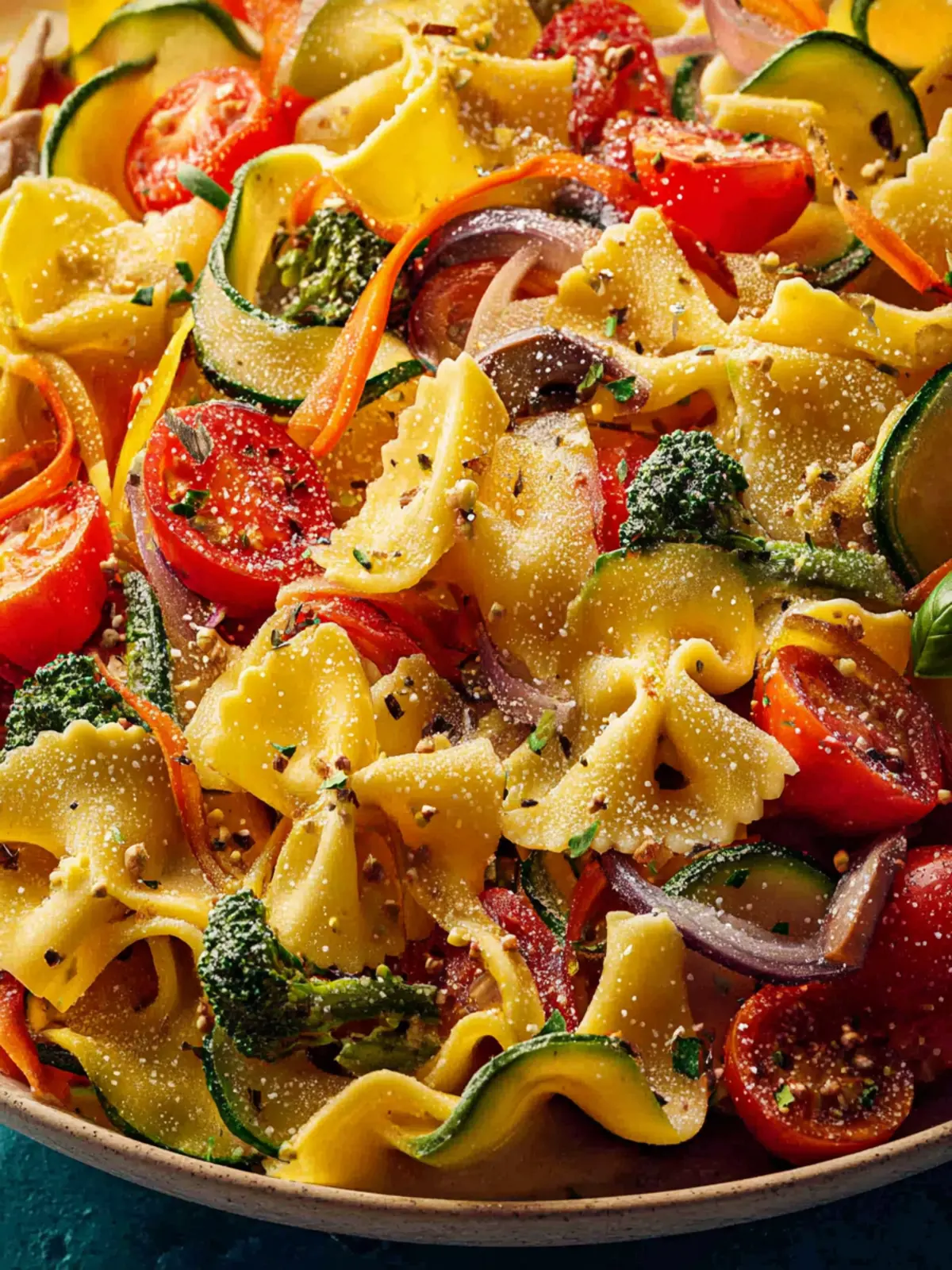
Variations
Exploring the world of Pasta Primavera makes for an exciting culinary adventure. This vibrant dish is perfect for customization, allowing you to showcase your favorite seasonal vegetables and personal tastes. Here are a few creative variations to inspire your next batch.
Seasonal Vegetable Swaps
- Spring: Incorporate asparagus, peas, and fresh herbs like basil or mint for a light, refreshing twist.
- Summer: Bell peppers, zucchini, and cherry tomatoes bring a burst of color and flavor that perfectly complement the pasta.
- Fall: Try adding roasted butternut squash, Brussels sprouts, and kale for a heartier dish that embraces the autumn season.
- Winter: Incorporate hearty vegetables like carrots, parsnips, or even a dash of winter greens like Swiss chard.
Protein Additions
To make your Pasta Primavera more filling, you might consider adding:
- Chicken or Turkey: Grilled or sautéed, they’re great companions to the veggie medley.
- Shrimp or Scallops: A touch of seafood can bring a new level of sophistication.
- Tofu or Tempeh: These plant-based proteins are perfect for a satisfying vegetarian option.
Different Sauces
Experimenting with sauces can also elevate your dish. Alternatives to a classic olive oil or garlic sauce include:
- Creamy Alfredo: This richer, comforting sauce pairs wonderfully with a mix of veggies.
- Pesto: A delicious basil or sun-dried tomato pesto can add an herbaceous punch.
- Balsamic Glaze: Drizzling this over your finished dish lends a tangy sweetness.
With these variations, your Pasta Primavera can adapt to suit any palate or season, making it a beloved staple year-round. Enjoy the freedom to play with flavors and ingredients, and don’t hesitate to make this dish your own!
Cooking Tips and Notes
Creating the perfect Pasta Primavera involves more than just following the recipe—it’s about exploring flavors and personal touches that elevate your dish. Here are some tips to ensure your spring vegetable pasta dazzles your senses and impresses your guests.
Fresh is Best
Opt for fresh vegetables whenever possible. Seasonal produce like asparagus, bell peppers, and cherry tomatoes not only look vibrant but also bring out the best flavors. The sweetness of fresh peas or the crunch of a perfectly sautéed zucchini can make all the difference.
Perfect Pasta Cooking
Cook your pasta al dente, which means it should have a slight bite. This texture not only feels great but also helps the pasta hold up with the sautéed vegetables. Remember to salt your pasta water generously—it should taste like the sea!
Embrace Variety
Feel free to mix and match your vegetables. While classic choices are great, consider adding things like broccoli rabe or snap peas for a unique twist. Each vegetable can enhance the dish’s flavor profile and add a delightful crunch.
Saucing It Right
When making your sauce, don’t be afraid to personalize it with spices. A pinch of red pepper flakes can add an exciting kick, while fresh herbs like basil or parsley lend a garden-fresh aroma. Sometimes, simple is best when you highlight the flavors of your Pasta Primavera.
Don’t Skip the Cheese
Finish your dish with a generous sprinkling of Parmesan or even a drizzle of good-quality olive oil. This simple addition enriches the overall flavor and adds a touch of richness that ties the meal together beautifully.
With these tips in mind, you’re set to create a delicious and visually stunning Pasta Primavera that not only nourishes but delights anyone at your table. Happy cooking!
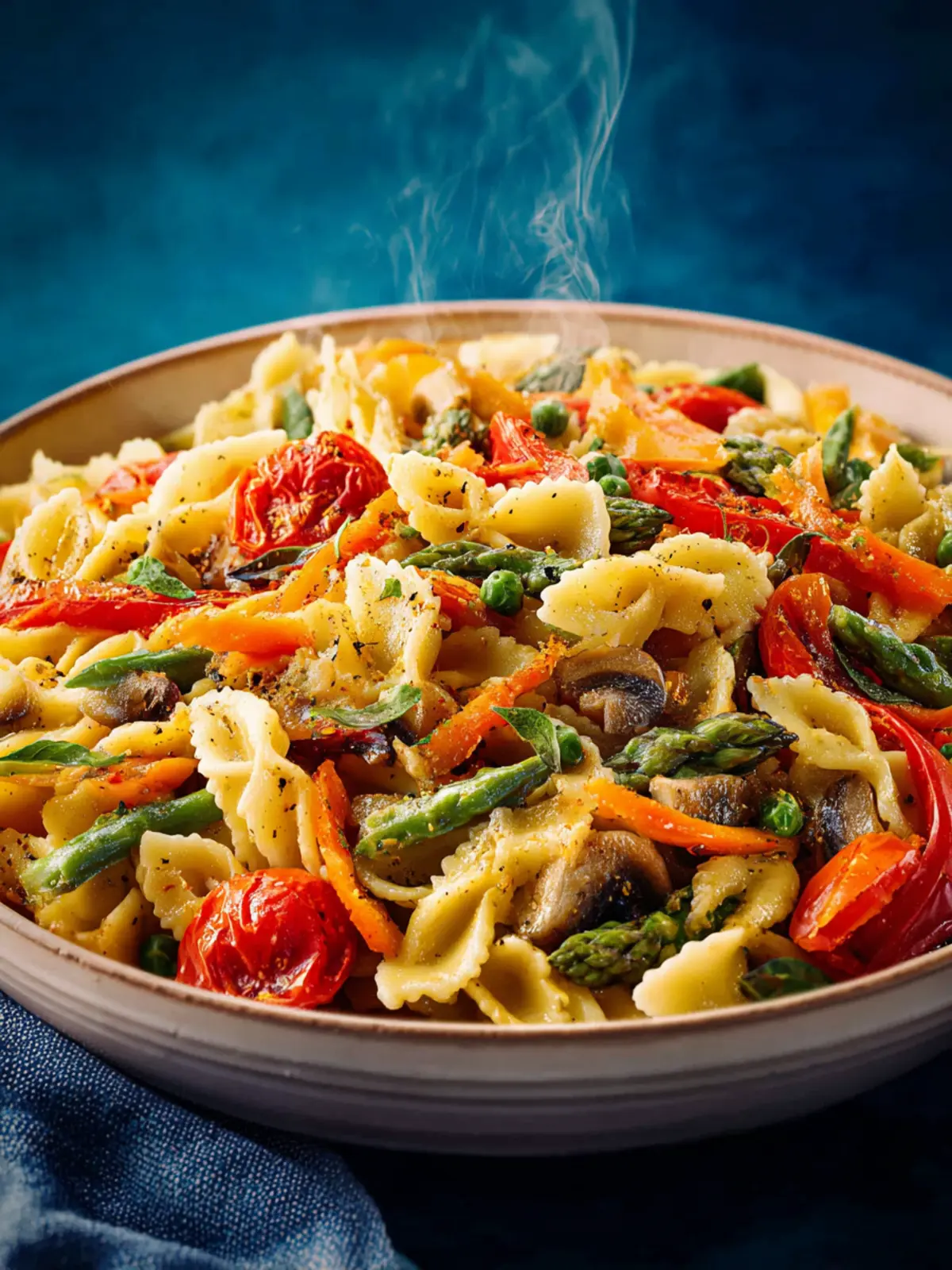
Serving Suggestions
When it comes to enjoying Pasta Primavera, the presentation is just as important as the flavors. A delightful plate of this vibrant dish can elevate any weeknight dinner into something special. Here are some serving suggestions to make your Pasta Primavera truly shine.
Incorporate Protein
Add grilled chicken or shrimp for an easy protein boost. Not only will this enhance the dish’s nutritional value, but it will also complement the fresh veggies beautifully. For a vegetarian option, consider using chickpeas or white beans.
Garnish with Fresh Herbs
A sprinkle of fresh herbs can take your Pasta Primavera to the next level. Basil and parsley work wonderfully, adding a hint of freshness that ties together the flavors on your plate. Plus, they make for a visually stunning presentation.
Pair with a Side Salad
A simple mixed green salad drizzled with a light vinaigrette can be a perfect side. It provides a crisp contrast to the warm pasta and allows you to enjoy a medley of textures.
Serve with Crusty Bread
Nothing complements Pasta Primavera like a warm piece of crusty bread. It’s ideal for soaking up any leftover sauce and adds a comforting element to your meal.
Wine Recommendations
Consider pairing your dish with a crisp white wine, like Pinot Grigio or Sauvignon Blanc. The acidity and freshness of these wines enhance the flavors of the seasonal vegetables, making each bite even more enjoyable.
By implementing these suggestions, you’ll create a dining experience that’s as delightful visually as it is on the palate!
Time Breakdown for Pasta Primavera
When you’re craving a fresh, vibrant meal, Pasta Primavera steps in as the perfect answer. It not only bursts with the flavors of seasonal vegetables but is also surprisingly quick to prepare. Below is a succinct time breakdown that will help you organize your cooking process.
Preparation Time
Setting aside about 15-20 minutes for preparation will ensure everything is ready for cooking. Use this time to chop your colorful veggies, gather your ingredients, and get your pot of water boiling for the pasta. This initial setup is crucial for maintaining a smooth cooking flow!
Cooking Time
Once your veggies are prepped, the actual cooking takes approximately 15-20 minutes. This is when you’ll really bring the dish to life as you sauté your vegetables and cook the pasta.
Total Time
In total, you’re looking at around 30-40 minutes from start to finish. It’s a fantastic choice for a busy weeknight dinner or a leisurely weekend lunch with friends. Enjoy every bite of your homemade Pasta Primavera!
Nutritional Facts for Pasta Primavera
Pasta Primavera is not just a delightful culinary creation; it’s also a nutritious powerhouse. This vibrant dish combines fresh vegetables and pasta, making it a balanced and healthy option for any meal.
Calories
A serving of Pasta Primavera typically contains around 250 calories, making it a Light yet satisfying choice for lunch or dinner. This calorie count allows you to enjoy a hearty meal without feeling weighed down.
Protein
With about 8 grams of protein per serving, Pasta Primavera delivers a solid source of energy. Adding a protein-rich ingredient like chickpeas or grilled chicken can elevate this further, making it a fulfilling option for the health-conscious.
Fiber
One of the standout features of this dish is its fiber content, which averages around 5 grams. Thanks to the plethora of vegetables in the recipe, it helps maintain digestive health and keeps you feeling full longer, making it not just delicious but also a smart choice!
FAQs about Pasta Primavera
Pasta Primavera is one of those delightful dishes that can effortlessly brighten your dinner table. This veggie-packed meal combines fresh ingredients, making it a favorite for seasons when vegetables are at their peak. Whether you’re preparing it for yourself or a group of friends, you might have some questions swirling in your mind. Let’s tackle some common FAQs about Pasta Primavera to enhance your cooking experience.
Can I use different pasta types?
Absolutely! While traditional Pasta Primavera often calls for spaghetti or penne, feel free to switch things up. Options like fettuccine, farfalle, or even whole grain pasta all work beautifully. If you’re looking for a gluten-free option, quinoa or chickpea pasta can also bring a great texture and flavor. The key is to pick a pasta that will hold onto that scrumptious sauce and veggies.
How can I store leftovers?
Storing leftovers of your Pasta Primavera is easy and convenient. Simply place the pasta in an airtight container and store it in the refrigerator. It should stay fresh for about 3 to 5 days. When you’re ready to enjoy it again, just reheat it gently in a skillet with a splash of olive oil or water to bring back its original flavor.
Can I make this dish vegan?
Absolutely! Pasta Primavera is inherently flexible and can easily be made vegan. Swap out any cheese or butter with plant-based alternatives, such as nutritional yeast for a cheesy flavor and olive oil or vegan butter for sautéing your vegetables. By focusing on fresh veggies and a simple sauce, you’re well on your way to a delicious vegan meal.
Conclusion on Pasta Primavera
Crafting a delightful Pasta Primavera is not just about preparing a meal; it’s about embracing the vibrant colors and flavors that life has to offer. This dish brings together an exciting medley of fresh vegetables, creating a bright and inviting plate. Whether you’re enjoying it on a cozy weeknight or impressing friends at a gathering, it’s guaranteed to impress. Remember, the beauty of Pasta Primavera lies in its versatility—feel free to swap in your favorite seasonal vegetables or add your personal touch. As you savor each bite, you’ll find it’s not just a recipe; it’s a celebration of fresh tastes and joyful cooking.
Print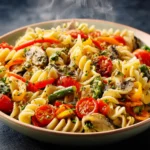
Roasted Vegetable Pasta
- Total Time: 40 minutes
- Yield: 4 servings 1x
- Diet: Vegetarian
Description
A delicious roasted vegetable pasta dish that is easy to prepare and full of flavor.
Ingredients
Scale
- 2 zucchini, sliced into half moons
- 2 yellow squash, sliced into half moons
- 2 to 3 carrots, peeled and cut into short sticks
- 1 red bell pepper, sliced into strips
- 1 yellow or orange bell pepper, sliced into strips
- 1 red onion, sliced into half moons
- 3 large garlic cloves, minced
- 1 tablespoon dried oregano, plus more for garnish
- 1 1/2 teaspoons fresh thyme leaves, plus more for garnish
- to taste Kosher salt
- to taste Black pepper
- 3 tablespoons Extra virgin olive oil
- 12 ounces short pasta of your choice (such as farfalle)
- 8 ounces grape tomatoes, halved
- 1 large lemon, zested
- 1/2 cup parmesan cheese, plus more for garnish
Instructions
- Get ready. Preheat your oven to 450°F. Bring a large pot of water to a boil, then season generously with kosher salt.
- Season the vegetables. Place the zucchini, squash, carrots, bell peppers, and onion in a large mixing bowl (save the tomatoes for later). Add the garlic, oregano, and thyme. Season with a big pinch of kosher salt and black pepper. Drizzle enough extra virgin olive oil to coat the veggies (about 3 tablespoons). Toss to coat.
- Roast the veggies. Spread the vegetables on a large sheet pan so they’re in one layer (you may need to use two pans). Roast on the middle rack for 10 minutes. Give them a good stir, spread them out again, and continue to roast until they’re tender and starting to brown at the edges, about 10 minutes more.
- Boil the pasta. While the vegetables roast, cook the pasta in salted boiling water according to the package (about 10 to 12 minutes). Just before it’s cooked to your liking, reserve one cup of the pasta cooking water, then drain.
- Finish the pasta. Transfer pasta to a large bowl and season with salt and pepper to taste. If you’d like, add a sprinkle more of oregano and fresh thyme. Add the roast vegetables, tomatoes, and lemon zest. Add a splash of the pasta cooking water and a drizzle of extra virgin olive oil. Toss to combine.
Notes
- This dish is versatile; feel free to add any other vegetables you prefer.
- For added flavor, you can include crushed red pepper flakes.
- Prep Time: 15 minutes
- Cook Time: 25 minutes
- Category: Pasta
- Method: Roasting
- Cuisine: Italian
Nutrition
- Serving Size: 1 plate
- Calories: 365
- Sugar: 3g
- Sodium: 400mg
- Fat: 12g
- Saturated Fat: 2g
- Unsaturated Fat: 8g
- Trans Fat: 0g
- Carbohydrates: 50g
- Fiber: 4g
- Protein: 12g
- Cholesterol: 5mg