Follow Me On Social Media!

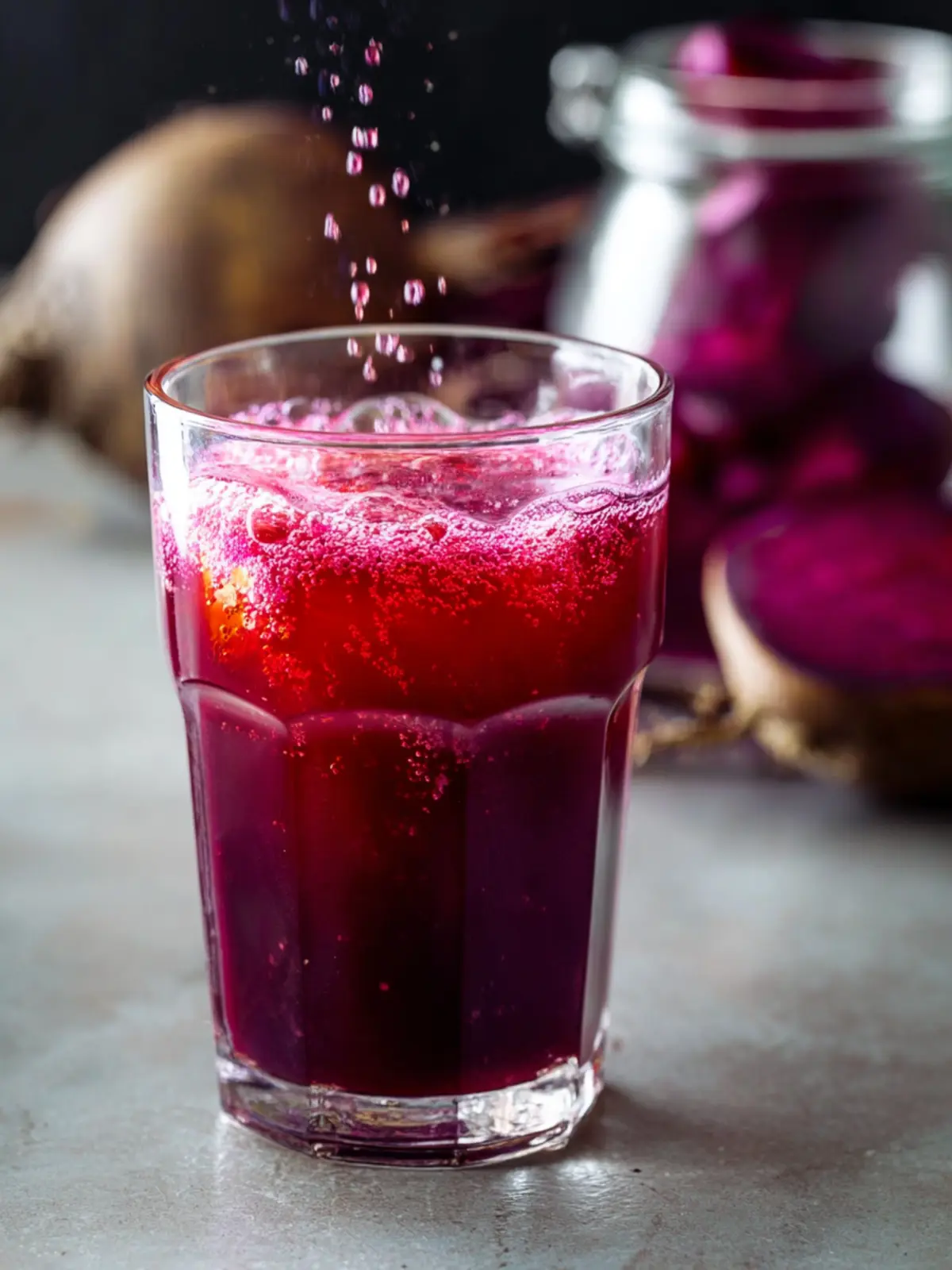
How to Make Beet Kvass: The Best Gut-Healing Tonic!

Introduction to Beet Kvass
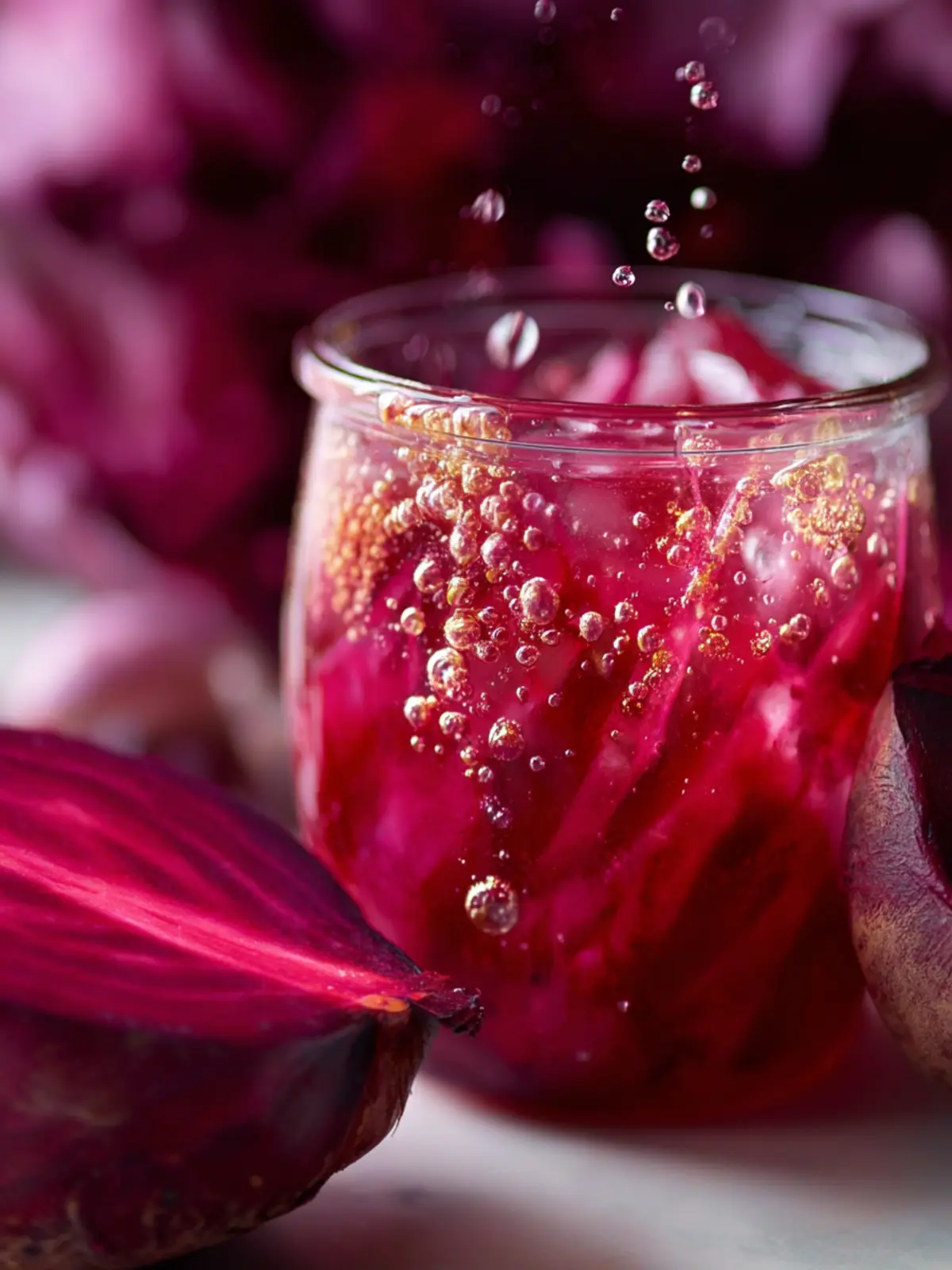
Discovering how to make beet kvass is like unearthing a treasure from the depths of Eastern European traditions. This vibrant drink, revered for its tangy flavor and health benefits, has been a staple in many households for centuries. Imagine sipping on a rich, ruby-red elixir that not only tantalizes your taste buds but also supports your gut health.
What is Beet Kvass and Why It’s Good for You?
At its core, beet kvass is a fermented beverage made from beets, water, and a pinch of salt. It boasts a flavor profile that’s both earthy and mildly sweet, with a fermented zest. This little-known drink is packed with probiotics, which are crucial for maintaining a healthy gut microbiome. Did you know that a balanced gut can enhance your immune system, boost mood, and improve digestion? Making beet kvass at home is not just a culinary adventure; it’s a step toward better health.
Nutritional Boost:
Beets are rich in essential vitamins and minerals, including:
- Folate: Key for DNA synthesis and repair, supporting your overall health.
- Potassium: Important for heart health and muscle function.
- Antioxidants: Help to reduce oxidative stress and combat inflammation.
Incorporating this fermented drink into your diet can be an excellent way to increase your daily intake of nutrients.
Easy to Make:
Learning how to make beet kvass is straightforward and requires minimal ingredients. The fermentation process benefits from the natural sugars in the beets, making it an easy and enjoyable DIY project. Plus, the vibrant red hue of this drink adds a splash of color to any meal or even as a delightful palate cleanser between courses.
Invite your friends over for a beet kvass tasting party, or simply keep a batch in your fridge for a refreshing drink option throughout the week. Once you learn how to make beet kvass, you’ll be amazed at the endless pairing possibilities and the health benefits it brings to your life.
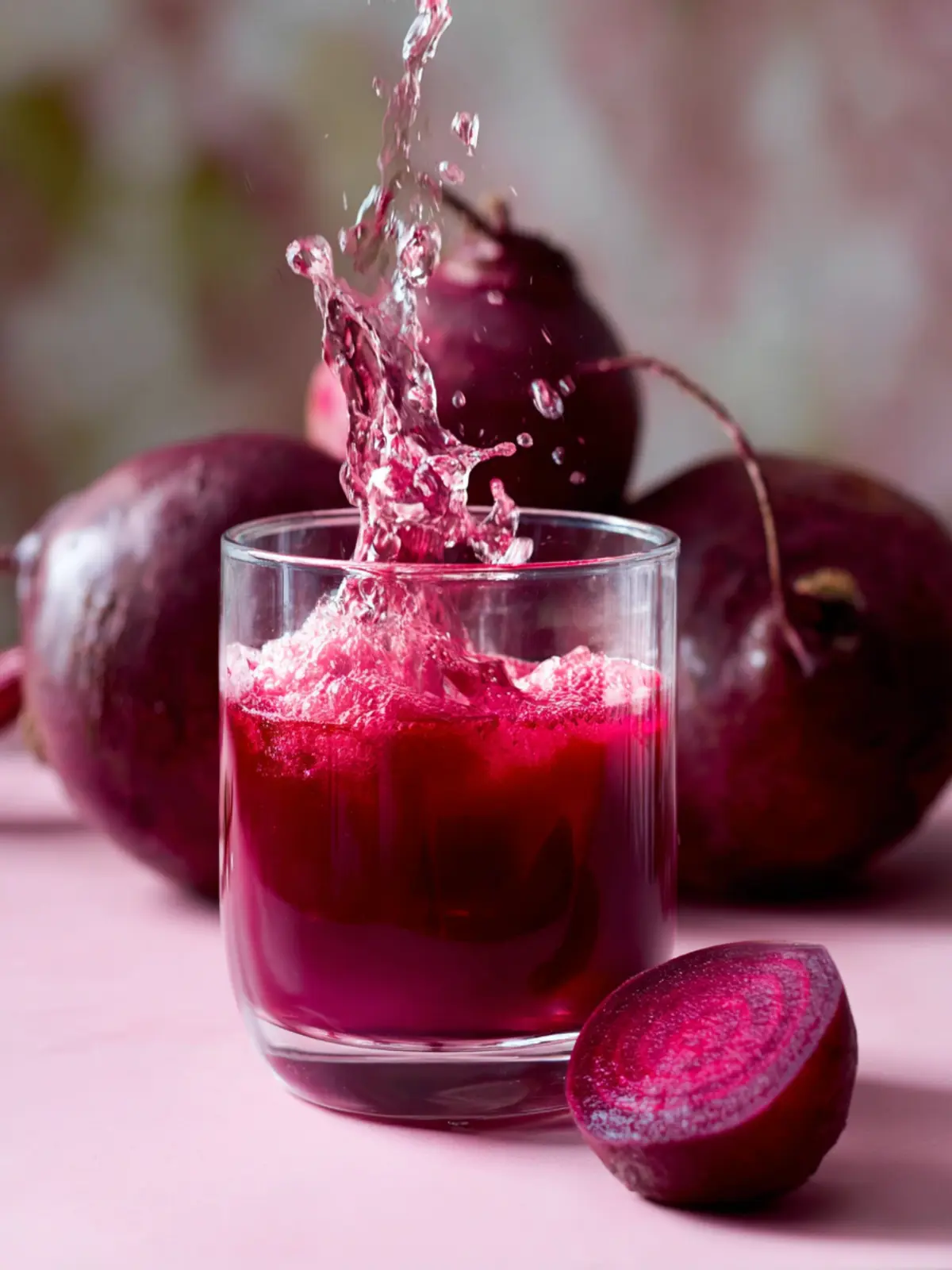
Key Ingredients for Beet Kvass
Beet kvass is a vibrant, tangy beverage that reflects the raw essence of its key ingredients. Each component plays a vital role in creating the distinct flavor and health benefits associated with this traditional drink.
Beets: At the heart of beet kvass are the beets themselves. Opt for fresh, organic beets for an authentic earthy flavor and a brilliant color. When washed and chopped into cubes, they release a sweetness that beautifully mellows during fermentation.
Water: It may seem simple, but high-quality, filtered water is crucial. It acts as the canvas for your kvass, allowing the flavors of the beets and fermentation to shine. Avoid chlorinated tap water, as it can inhibit fermentation.
Salt: A small amount of salt is essential for promoting fermentation and enhancing the garlic notes in your kvass. Use fine sea salt or Himalayan pink salt for the best results, as these options dissolve easily and contribute beneficial minerals.
Whey (or a starter culture): To jumpstart the fermentation, adding whey from yogurt or a store-bought starter culture accelerates the process and adds beneficial probiotics, improving the drink’s health benefits.
Optional Flavorings: Though optional, you might choose to add garlic, spices, or even herbs for a unique twist, transforming your kvass into a personalized tonic full of zest.
By using these key ingredients, you can master how to make beet kvass and enjoy a naturally fermented beverage that’s as nutritious as it is delicious.
Why You’ll Love This Recipe
Crafting your own beet kvass at home is not just a culinary adventure; it’s an enriching journey into the world of fermented beverages. If you’ve ever sipped on this vibrant drink, you’re likely aware of its unique, earthy taste and plethora of health benefits. The delightful, tangy flavor paired with the beautiful ruby hue is enough to brighten up any daily routine.
-
Health Benefits: Beet kvass is packed with nutrients. Beets are known for their detoxifying properties and can support liver function, while the fermentation process boosts gut health. It’s essentially a drink full of life that helps you feel revitalized.
-
Simple Ingredients: The best part? You probably have most of the ingredients right in your kitchen. Just a few fresh beets, water, and some salt are all you need. This simplicity means you can make it anytime without complicated shopping trips.
-
Creative Freedom: Making beet kvass allows for customization. Want to add a kick? Toss in some ginger or a splash of lemon juice. The fermentation will surprise you with its personality, and each batch can be a unique reflection of your taste.
Creating beet kvass isn’t just an act; it’s a connection to an age-old tradition that has nourished many. Get ready to discover a delicious way to boost your health and add some color to your life!
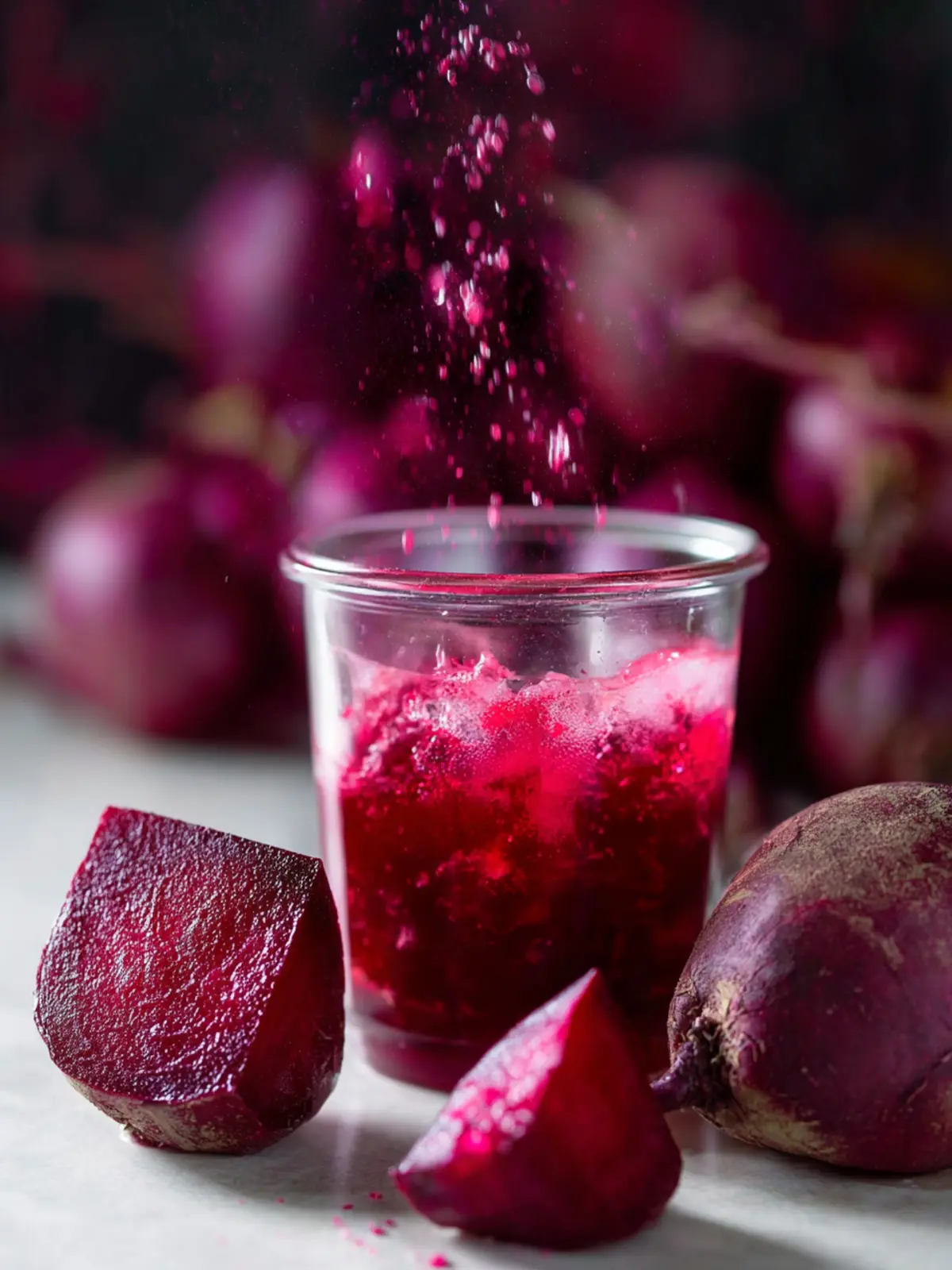
Tips for Making Perfect Beet Kvass
Creating the perfect beet kvass is as much an art as it is a science, and a few thoughtful tips can elevate your brewing experience.
Choose Quality Ingredients
-
Beets: Opt for organic, fresh beets. Local farmer’s market finds are often the best, as they tend to be sweeter and more vibrant. Try to pick beets that are firm and free from blemishes.
-
Water: Always use filtered water. The quality of your water has a significant impact on the flavor of your kvass, so it’s worth the extra effort.
Follow the Right Ratios
When you’re learning how to make beet kvass, keeping an eye on your ratios is crucial. Generally, aim for a 1:5 beet-to-water ratio. This ensures enough flavor without overwhelming the brine.
Use the Right Container
The fermentation vessel matters! A glass jar is preferred for its ease of cleaning and visibility. Make sure it’s large enough to accommodate the beets and water, leaving some air space for fermentation gases.
Monitor Fermentation
During fermentation, it’s essential to keep your beet kvass in a cool, dark place. Taste it daily after day three until it reaches your desired tanginess; this could be a personal journey depending on your taste buds!
With these tips in your toolkit, you’re well on your way to crafting the ideal homemade beet kvass. Happy fermenting!
Time Breakdown for Beet Kvass
Making beet kvass is a rewarding experience that not only fills your kitchen with earthy aromas but also transforms your health. Here’s a quick breakdown of the time commitment needed to brew this delightful fermented drink.
Preparation Time
The prep work for how to make beet kvass takes about 15-20 minutes. During this time, you’ll be peeling and chopping your beets, measuring out your salt, and assembling your fermentation jar.
Fermentation Time
The fermentation process is where the magic happens! Allow your beet kvass to ferment for 3 to 7 days. You’ll notice bubbles and changes in taste as the kvass develops its flavor profile. Check it daily to find your preferred tanginess.
Total Time
In total, set aside a week or so to fully enjoy your homemade beet kvass. This includes the preparation and fermentation times, plus a little patience while it transforms into a gut-friendly beverage.
Nutritional Information for Beet Kvass
Beet Kvass packs a nutritious punch that celebrates the earthy sweetness of beets while offering a refreshing, tangy taste. If you’re curious how to make beet kvass, understanding its nutritional profile can enhance your appreciation for this vibrant drink.
Calories: Each 8-ounce serving of Beet Kvass typically contains around 50 calories, making it a light and energizing option, perfect for a midday boost or alongside meals.
Protein: While Beet Kvass isn’t a significant source of protein, you can expect about 1 gram per serving. It’s not meant to be a protein powerhouse, but it complements your diet filled with other protein-rich foods.
Sodium: When making this delicious blend, the sodium level is generally quite low, averaging about 60 mg per serving. This makes it a heart-healthy addition that keeps your sodium intake in check while still promoting hydration and wellness.
FAQs about Beet Kvass
Beet kvass is a tangy and vibrant fermented beverage that’s not just a drink but a journey into gut health. As you embark on this culinary adventure of how to make beet kvass, it’s normal to have questions. Let’s dive into some common inquiries!
How do I know if my kvass is fermenting correctly?
When you’re mastering the art of how to make beet kvass, checking for signs of proper fermentation is key. Here’s what to look for:
- Bubbling and fizzing: After a couple of days, you should see bubbles forming. This indicates that the fermentation process is underway.
- Sour aroma: A pleasant sour smell means beneficial bacteria are thriving. If it smells off or rotten, discard it and start over.
- Color changes: Expect a beautiful dark reddish-purple hue, sometimes with a light sediment at the bottom—this is perfectly normal.
Remember, patience is vital in fermentation; good things come to those who wait!
Can I drink beet kvass daily?
Absolutely! Beet kvass is not only delicious but also packed with nutrients and probiotics that promote digestive health. Many people enjoy a small glass daily. However, start slow if you’re new to fermented drinks, as your gut may need some time to adjust.
What are some ways to use beet kvass?
Beet kvass isn’t just a standalone drink; it can elevate your meals too! Here are a few ideas:
- Salad dressing: Combine it with olive oil, mustard, and herbs for a zesty twist.
- Soup base: Use it in place of broth for a unique flavor in soups or stews.
- Cocktails: Mix it into your favorite cocktails for a vibrant color and tangy bite.
Now that you have these answers, you’re all set to enjoy your homemade beet kvass journey!
Conclusion on Beet Kvass
Crafting your own beet kvass can be a delightful culinary adventure that not only introduces you to a unique flavor profile but also contributes to your health. This probiotic-rich drink is known for its digestive benefits and vibrant ruby hue, making it a stunning addition to any meal.
As you experiment with the fermentation process, don’t hesitate to tweak the recipe and incorporate other ingredients like garlic or spices to find your perfect blend. The reward of sipping on your homemade beet kvass is well worth the wait, transforming your health routine and impressing friends and family alike. Enjoy the journey and cheers to your health!
Print
Fermented Beet Kvass
- Total Time: 7 days
- Yield: 2 quarts 1x
- Diet: Vegetarian
Description
Delicious and health-boosting fermented beet kvass recipe, perfect for gut health.
Ingredients
Scale
- 2 medium beets, organic (2 cups diced, with skin on)
- 3 cups filtered water
- 1 tablespoon fine sea salt
- ¼ cup whey (the liquid from strained yogurt) or fermented pickle brine or fermented sauerkraut brine
Instructions
- Rinse and slice the beets into ¼-inch thick rounds, then dice them, leaving the skin on.
- Get a clean 2-quart mason jar. If adding any whole spices, add these to the jar first, then add garlic, onion or dill if using. Add all the beets over the top.
- If adding whey, kraut brine or pickle brine, add this now.
- Mix 3 cups of water with 1 tablespoon of fine sea salt. Pour this into the jar, leaving at least 1-2 inches of headroom at the top.
- If you want to add more brine, the ratio is 1 heaping teaspoon of salt per 1 cup of water. Mix it first, then add.
- Cover with a loose-fitting lid. Place in a bowl or baking dish to collect any overflow, a sign of fermentation.
- Place the jar in a cool, dark place; 60°F-70°F is ideal. Check every couple of days, removing seeds if need be.
- If you added whey or brine, you should see some action within 2-3 days. If not, it can take 1-2 weeks before you notice slight bubbling when you tap the jar, indicating that it is fermenting.
- The longer it ferments, the more tangy it will taste. For an even tangier flavor, continue fermenting for 1-2 more weeks. Once happy with the flavor, refrigerate.
- (Either strain, or leave beets in.) It will continue to ferment in the fridge but at a much slower rate, developing more depth of flavor.
- If you notice any white foam on top of your kvass, it is most likely kahm yeast and harmless. Skim it off with a spoon and toss. If you see mold, discard the batch.
Notes
- This kvass is a great source of probiotics.
- The sugar from the beets will continue to feed the healthy bacteria.
- Always check for floaters daily to prevent mold.
- Prep Time: 15 minutes
- Category: Drink
- Method: Fermentation
- Cuisine: Global
Nutrition
- Serving Size: 1 cup