Follow Me On Social Media!

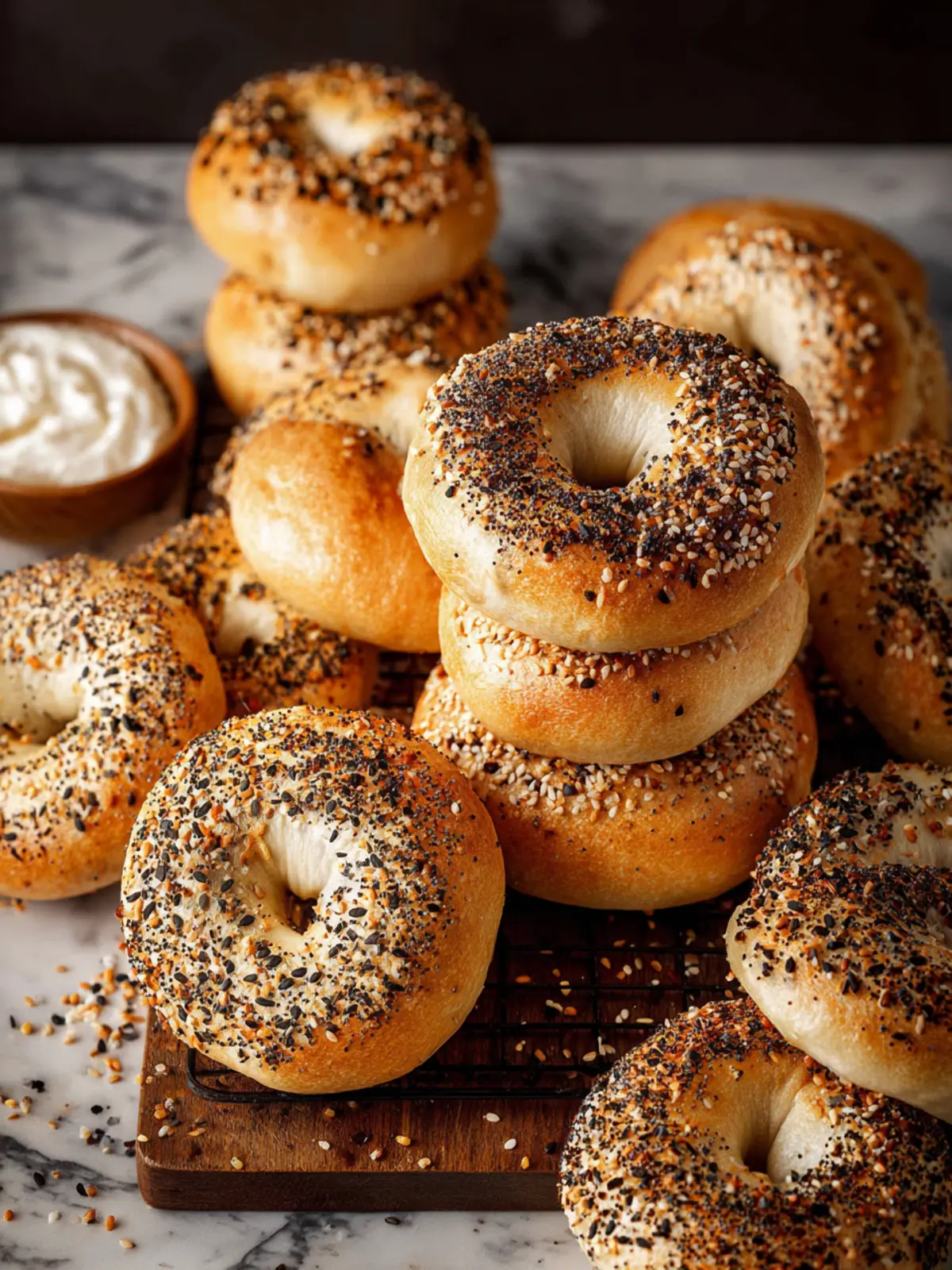
Homemade Bagels: The Best Recipe for Chewy Perfection

Introduction to Homemade Bagels
Imagine waking up to the smell of freshly baked homemade bagels wafting through your kitchen, the warm, chewy exterior calling you to the breakfast table. There’s something uniquely satisfying about creating your own bagels at home. The process might seem daunting at first, but once you dive in, you’ll discover it’s not only rewarding but also a delightful way to start your day.
What makes homemade bagels so special? For one, they are infinitely customizable. Whether you prefer classic toppings like sesame and poppy seeds or adventurous flavors such as everything bagels or even jalapeño cheddar, the sky’s the limit. Making bagels from scratch also means you can control the ingredients, ensuring fresh, high-quality elements in each bite. Plus, there’s the joy of kneading dough by hand or watching it rise—it’s a hands-on experience that connects you to the food you’re creating.
Another reason to embrace homemade bagels is the texture. Store-bought options can often be dry or overly dense, while a homemade bagel is perfectly chewy on the outside and soft on the inside. The boiling step is key here; it creates that iconic crust that you can’t replicate in a standard oven. Once you’ve tried a bagel hot out of your oven, you may find it hard to go back to store-bought varieties.
And let’s not overlook the joy of sharing. There’s something truly heartwarming about presenting a platter of your own homemade bagels to friends and family. Perhaps you can host a bagel brunch where everyone can choose their own toppings—cream cheese, smoked salmon, fresh herbs, or even avocado. It creates an experience shared over food, enhancing connections and creating lasting memories.
In the following sections, we’ll delve further into the art of making homemade bagels, from selecting the right ingredients to perfecting the boiling technique and baking to golden perfection. Are you ready to embark on this delicious journey? Let’s get started!
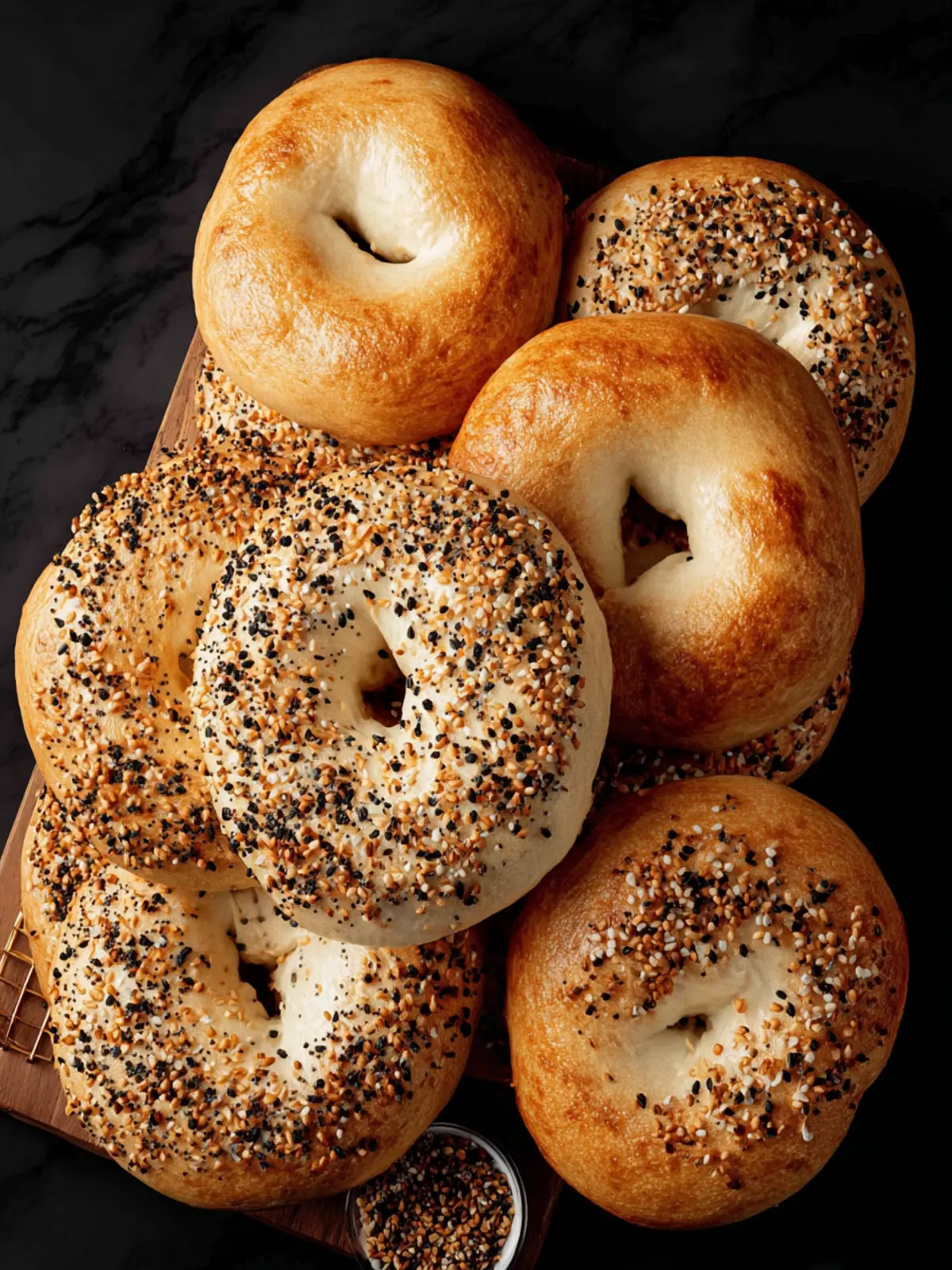
Key Ingredients for Homemade Bagels
Fluffy, chewy, and delicious, homemade bagels are a delightful treat that can elevate any breakfast. Understanding the key ingredients will not only enhance your bagel-making skills but also fill your kitchen with an irresistible aroma.
-
Bread Flour: Using high-protein bread flour is crucial for achieving that classic chewy texture. It creates the perfect elasticity in your dough, distinguishing your bagels from ordinary bread.
-
Yeast: Fresh yeast brings life to your dough, allowing it to rise beautifully. If fresh isn’t available, active dry or instant yeast will do the trick—just remember to activate it beforehand.
-
Sugar: A touch of sugar helps to feed the yeast and encourages browning during baking, resulting in those gorgeous golden tops.
-
Water: Using warm water activates the yeast, ensuring a good rise. The temperature should feel comfortable to your touch—too hot could kill the yeast!
-
Salt: Don’t skip the salt; it enhances flavor and helps control the fermentation process, giving your bagels the right taste.
Each ingredient plays a vital role in creating the perfect batch of homemade bagels, so treat them with care!
Why You’ll Love This Recipe
Making homemade bagels is not just about the pleasure of baking; it’s a delightful journey that elevates your morning routine. Imagine the aroma of fresh, warm bagels wafting through your kitchen on a Sunday morning, enticing your whole household to gather around the breakfast table. These bagels are not only delicious but also allow you to customize every aspect — from seasoning to toppings.
-
Craftsmanship: There’s something incredibly satisfying about shaping your own dough. You’ll find yourself in a meditative process as you knead, boil, and bake. Each step transforms simple ingredients into a beautiful creation.
-
Freshness: The taste of homemade bagels is in a league of its own. Crisp on the outside and chewy on the inside, they offer a texture that’s hard to beat. Let’s be honest—when was the last time you bit into a store-bought bagel that made your taste buds dance?
-
Healthier Choices: You control what goes in! Opt for whole wheat flour or add your favorite seeds to make them not just tasty, but a little healthier too.
-
Endless Possibilities: Whether you enjoy yours with cream cheese, smoked salmon, or just butter, each bite reflects your personal touch.
Enjoy the chance to create memories with your homemade bagels. They’re not just food; they’re an experience waiting to happen.
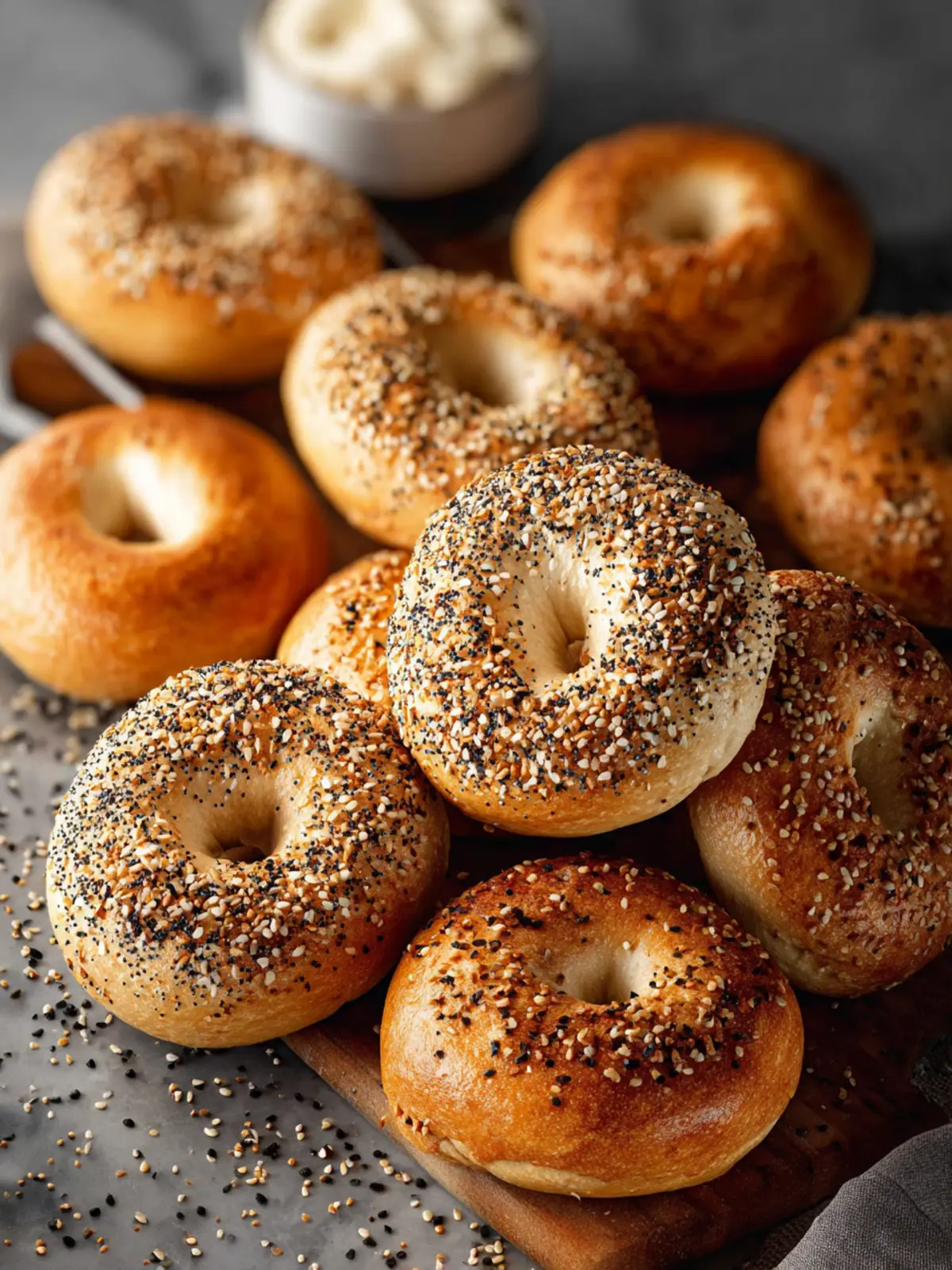
Variations on Homemade Bagels
Exploring variations on homemade bagels can elevate your baking experience and allow you to personalize these delightful treats to your taste. From flavor infusions to different dough styles, let’s dive into creative ways to make your bagels truly unique.
Flavor Infusions
Don’t be afraid to experiment with flavors in your homemade bagels! A classic bagel recipe serves as a perfect canvas. Here are some ideas to inspire your next batch:
- Herbed Bagels: Mix in your favorite dried herbs like rosemary or thyme into the dough for a savory twist.
- Sweet Variants: Incorporate ingredients like cinnamon or vanilla extract for a hint of sweetness, perfect for breakfast with cream cheese.
- Cheese Lovers: Add shredded cheese directly into the dough or top your bagels with a cheesy blend before baking.
Unique Toppings
Once your bagels are shaped and boiled, the fun of toppings begins! Choose from these options to make your homemade bagels stand out:
- Savory Sprinkles: Go for everything bagel seasoning, which adds a crunch with garlic, onion, and sesame seeds.
- Sweet Toppings: Try brown sugar and cinnamon for a delightful sweet crunch.
- Nuts and Seeds: Experiment with sesame or poppy seeds, and even add crushed nuts like walnuts or pecans for a unique texture.
Different Dough Styles
The versatility of bagel dough allows for a range of textures and tastes. Here’s how to play with dough styles:
- Whole Wheat: Opt for whole wheat flour to make a healthier version of homemade bagels that are still delicious.
- Gluten-Free: Use a gluten-free flour blend to accommodate dietary needs without sacrificing flavor.
- Sourdough: If you’re a fan of tangy flavors, turn your bagel dough into a sourdough version for a robust taste.
Getting creative with your homemade bagels is all about personal preference and having fun in the kitchen. Start experimenting, and who knows? You may just develop your favorite new flavor!
Cooking Tips and Notes for Homemade Bagels
Making homemade bagels can be a rewarding experience, and with a few handy tips, you’ll elevate your bagel-making game from good to exceptional. Here are some essential notes to guide you through the process.
Dough Consistency
Achieving the right dough consistency is crucial for your homemade bagels. The dough should be firm but pliable without being overly sticky. A good rule of thumb is to strike a balance where it feels smooth and elastic after kneading. If it’s too sticky, gradually add a little more flour while kneading until you get that perfect texture.
Proper Shaping Techniques
Shaping is where the magic starts! First, divide your dough into equal portions. To form the classic bagel shape, roll each piece into a ball, then poke a hole in the center with your thumb. Gently stretch the hole until it’s about 2-3 inches in diameter. Remember, the hole will shrink during the boiling and baking steps, so don’t be afraid to make it a bit larger!
Boiling Tips
Boiling your homemade bagels is a key step that ensures that signature chewy texture. Use water that’s at a gentle boil and consider adding a tablespoon of malt syrup or baking soda to the water. This not only helps with color but also adds a nice flavor. Boil each bagel for about 30 seconds on each side for the best results.
Baking Secrets
When it comes to baking, preheat your oven to a high temperature – around 425°F (220°C) is ideal. To achieve a lovely golden crust, place a baking stone or sheet in the oven while it preheats. Additionally, you can add steam in the first few minutes of baking by placing a pan of hot water at the bottom of your oven. This moisture creates that perfectly chewy crust we all love.
With these simple yet effective tips, you’ll create homemade bagels that are not only delicious but also impressively crafted. Happy bagel-making!
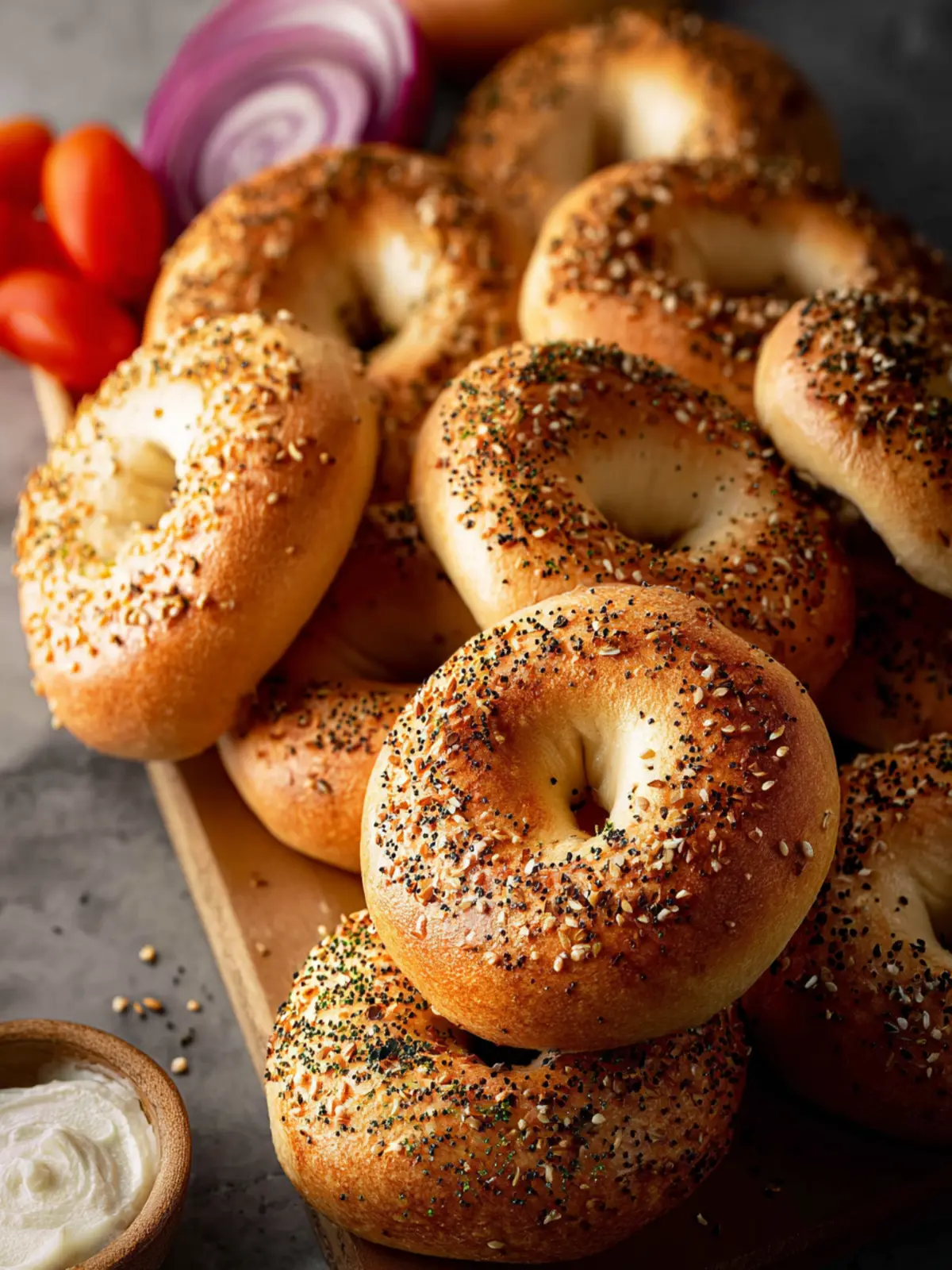
Serving Suggestions for Homemade Bagels
Homemade bagels are a delightful treat that can elevate any meal or snack. The chewy texture and fresh flavor of homemade bagels create endless pairing possibilities, and your creativity is the only limit! Let’s explore some tasty serving suggestions that will have your friends and family coming back for more.
Best Spreads
When it comes to toppings, the right spread can transform your homemade bagels into something extraordinary. Here are a few favorites:
- Cream Cheese: Classic and always a hit; opt for flavored versions like chive and onion or strawberry for a twist.
- Guacamole: A fresh alternative that adds creaminess and zest.
- Hummus: For a healthy, savory option that’s full of flavor.
Pairing with Other Foods
Homemade bagels can easily complement a variety of dishes, making them a versatile addition to your meals. Consider pairing them with:
- Smoked Salmon: The smoky flavor contrasts beautifully with the bagel’s chewiness.
- Fresh Vegetables: Crisp cucumbers, ripe tomatoes, or leafy greens can add freshness and crunch.
- Eggs: Top a bagel with a poached or fried egg for a filling breakfast or brunch option.
Creative Sandwich Ideas
Beyond breakfast, homemade bagels can be the perfect base for unique sandwiches. Try these combinations for a fun twist:
- Turkey and Avocado: Layer sliced turkey breast, avocado, and sprouts for a nutritious lunch.
- Caprese: Stack fresh mozzarella, tomatoes, and basil for a refreshing meal.
- Peanut Butter and Banana: For a quick snack, spread peanut butter and add sliced banana on your favorite bagel.
With these serving suggestions, your homemade bagels will be the star of every meal. Whether you keep it classic or get experimental, the options are as delicious as they are diverse!
Time Breakdown for Homemade Bagels
Creating homemade bagels is a delightful process, and understanding the timing involved can make it even more enjoyable. Here’s a helpful breakdown that guides you through each crucial stage of your bagel-making adventure.
Preparation Time
Set aside about 15 minutes to gather your ingredients and mix your dough. The anticipation of those fresh bagels is half the fun!
Rising Time
After kneading, let the dough rise for 1 to 1.5 hours. Keeping it in a warm spot helps ensure it doubles in size, the secret to a chewy texture.
Boiling Time
You’ll want to boil your bagels for roughly 2 minutes on each side. This step is critical as it contributes to that signature crust we all love.
Baking Time
Finally, pop those beauties in the oven for about 20 minutes. Enjoy the mouthwatering aroma as they turn a gorgeous golden brown, ready for your favorite toppings!
Nutritional Facts for Homemade Bagels
When you take the plunge into creating your own homemade bagels, understanding their nutritional profile can enhance your baking experience. These chewy, delicious treats are not just a breakfast staple but can also be a wholesome option when made with care and the right ingredients.
Calories
A typical homemade bagel contains about 250-300 calories, depending on your specific recipe and ingredients used. This is a satisfying start to your day without feeling overly indulgent.
Carbohydrates
Homemade bagels are primarily made from flour, contributing approximately 50-60 grams of carbohydrates. Carbs are a vital energy source, making bagels an excellent choice for the active professional on the go.
Protein
With around 10-12 grams of protein per bagel, they provide a hearty boost. This helps keep you feeling full longer, making your morning more productive.
Fats
Most homemade bagels are low in fat, usually falling between 1-3 grams. While the fat content is minimal, adding cream cheese or avocado can elevate the flavor without packing on excess calories.
FAQ about Homemade Bagels
Understanding the nuances of making homemade bagels can elevate your baking game and fill your kitchen with delightful aromas. Here are some common questions that can help you navigate your homemade bagel journey smoothly.
Can I use regular yeast instead of instant yeast?
Absolutely! If you only have regular active dry yeast on hand, it will work perfectly for homemade bagels. Just remember to activate it by dissolving it in warm water (about 110°F) with a pinch of sugar. Allow it to sit for about 5-10 minutes until it becomes frothy before mixing it into your dough.
What is the best way to store homemade bagels?
Storing your homemade bagels correctly ensures they stay fresh longer. Place them in an airtight bag at room temperature if you plan to consume them within a few days. For longer storage, freeze them in a freezer-safe bag. Just be sure to slice them beforehand; that way, you’ll have easy access to toasted bagels on a busy morning!
How can I achieve a more chewy texture?
If you’re after that wonderfully chewy texture often found in commercial bagels, try using bread flour instead of all-purpose flour. The higher protein content in bread flour will create more gluten, resulting in that delightful chew. Also, don’t skip the boiling step; it’s key to achieving that classic bagel crust!
Can these bagels be frozen?
Definitely! Freezing your homemade bagels is a great way to enjoy them later. Once they’ve completely cooled, simply wrap them in plastic wrap and then place them in a freezer-safe bag. They’ll be good for up to three months. When you’re ready to eat, just pop them in the toaster straight from the freezer.
Conclusion on Homemade Bagels
Mastering the art of homemade bagels can be a delightful culinary adventure, and there’s nothing quite like sinking your teeth into a warm, chewy bagel fresh from the oven. With a few simple ingredients—like high-quality flour, yeast, and salt—you can recreate that New York deli experience right in your kitchen. Plus, the satisfaction of shaping and boiling your own bagels adds an element of fun to the process. So next weekend, why not gather some friends or family, roll up your sleeves, and enjoy the comforting ritual of making fresh bagels? You won’t regret it!
Print
Homemade Bagels
- Total Time: 8 hours 30 minutes
- Yield: 12 bagels 1x
- Diet: Vegetarian
Description
Delicious homemade bagels that are chewy, flavorful, and perfect for breakfast or snacks!
Ingredients
Scale
- 1 1/2 teaspoons instant yeast
- 4 cups (510g) bread flour
- 2 1/2 cups (567g) room temperature water
- 1/2 teaspoon instant yeast
- 3 3/4 cups (482g) bread flour
- 1 Tablespoon dark brown sugar (or granulated sugar, light brown sugar, or barley malt syrup)
- 3 teaspoons table salt
- 2 quarts water
- 2 Tablespoons honey (or barley malt syrup)
- to taste Cornmeal or semolina (for dusting optional)
- to taste Toppings like sesame seeds, poppy seeds, kosher salt, dried minced garlic or onion, everything bagel seasoning, grated Asiago, parmesan, cheddar cheese, melted butter with cinnamon sugar (added after baking)
Instructions
- Start by combining the yeast and flour in a large mixing bowl. Add the water, stirring just until combined. The sponge will be very sticky, thick and look almost like pancake batter. Cover with plastic wrap and let this sit for 2 hours or until bubbles appear on top of the sponge. It should almost double in size and collapse when the bowl is tapped on the counter.
- Once the sponge is bubbly and foamy looking, sprinkle the additional 1/2 teaspoon of yeast on top and stir. Add 3 cups of the flour along with the brown sugar and salt. Mix on low speed with the dough hook or with a sturdy wooden spoon until the dough starts to form into a bowl. Gradually add the remaining 3/4 cup of flour to the dough until it is fairly firm and only slightly tacky.
- Knead for at least 6-8 minutes with the dough hook attachment or 10-15 minutes by hand to develop the gluten. The dough should be firm, but still pliable and smooth. It should pass the windowpane test where you pinch off a smallish piece of dough and stretch it between your fingers. You should be able to see light through the dough without it tearing. If the dough tears while stretching, add a little water (maybe 1-2 tablespoons at a time) and keep kneading the dough for another 1-2 minute before testing again. If the dough is too sticky, add more flour (maybe 1/4 cup at a time) until the dough is fairly stiff and firmer than most other bread dough. It should be pliable but not so tacky that it sticks to the countertop or your fingers.
- Use a bench scraper or sharp knife to divide the dough into twelve even pieces that are each about 4 1/2-ounces (128g). Roll the dough pieces into tight balls, then cover with plastic wrap or a damp towel and let them rest for 20 minutes to allow the gluten to relax.
- Cut 12 squares of parchment paper and set aside. Poke a hole in the center of each ball of dough and use your fingers to evenly stretch the hole until it is about 2 1/2-inches in diameter. Remember that the whole should look larger than you think it will because it will shrink when baking.
- Place each shaped bagel on a square of parchment paper and arrange on a full-size baking sheet. Loosely cover with plastic wrap and let the bagels rest for 20 minutes on the counter at room temperature.
- Transfer the bagels to the refrigerator to slowly rise overnight (at least 8 hours or up to 2 days). This allows the flavor of the bagel to develop and is worth the wait, although you could let them rise for 60-90 minutes at room temperature, then boil and bake at this point if you desire.
- When you are about ready to bake the bagels, preheat the oven for at least 20 minutes to 425℉ (218℃). Line a full-size baking sheet with parchment paper and sprinkle with cornmeal or semolina flour. Fill a wide pot with water and let it come to a full rolling boil on the stovetop. Add the honey, brown sugar, or barley syrup.
- Remove the bagels from the fridge and carefully drop 2 to 3 of them into the boiling water. Boil for 1 minute, then flip them over and boil on the other side for another minute. If you want extra chewy bagels, you can boil for 2 minutes per side. Remove the boiled bagels from the water using a slotted spoon and arrange on the prepared baking sheet. Sprinkle the bagels with your toppings, if using, as soon as they come out of the water so the toppings will stick. Repeat with the remaining bagels.
- Bake for 14-20 minutes, rotating the pan partway through. The bagels should be a light golden brown, although you can bake them slightly longer if you prefer them darker in color.
- Let the bagels cool for at least 20 minutes before slicing and serving.
Notes
- Using a mix of different flours can enhance the texture and flavor of your bagels.
- Make sure to properly boil the bagels to achieve the classic chewy texture.
- Prep Time: 30 minutes
- Cook Time: 30 minutes
- Category: Breakfast
- Method: Baking
- Cuisine: American
Nutrition
- Serving Size: 1 bagel
- Calories: 250
- Sugar: 2g
- Sodium: 300mg
- Fat: 1g
- Saturated Fat: 0g
- Unsaturated Fat: 0g
- Trans Fat: 0g
- Carbohydrates: 50g
- Fiber: 2g
- Protein: 10g
- Cholesterol: 0mg