Follow Me On Social Media!

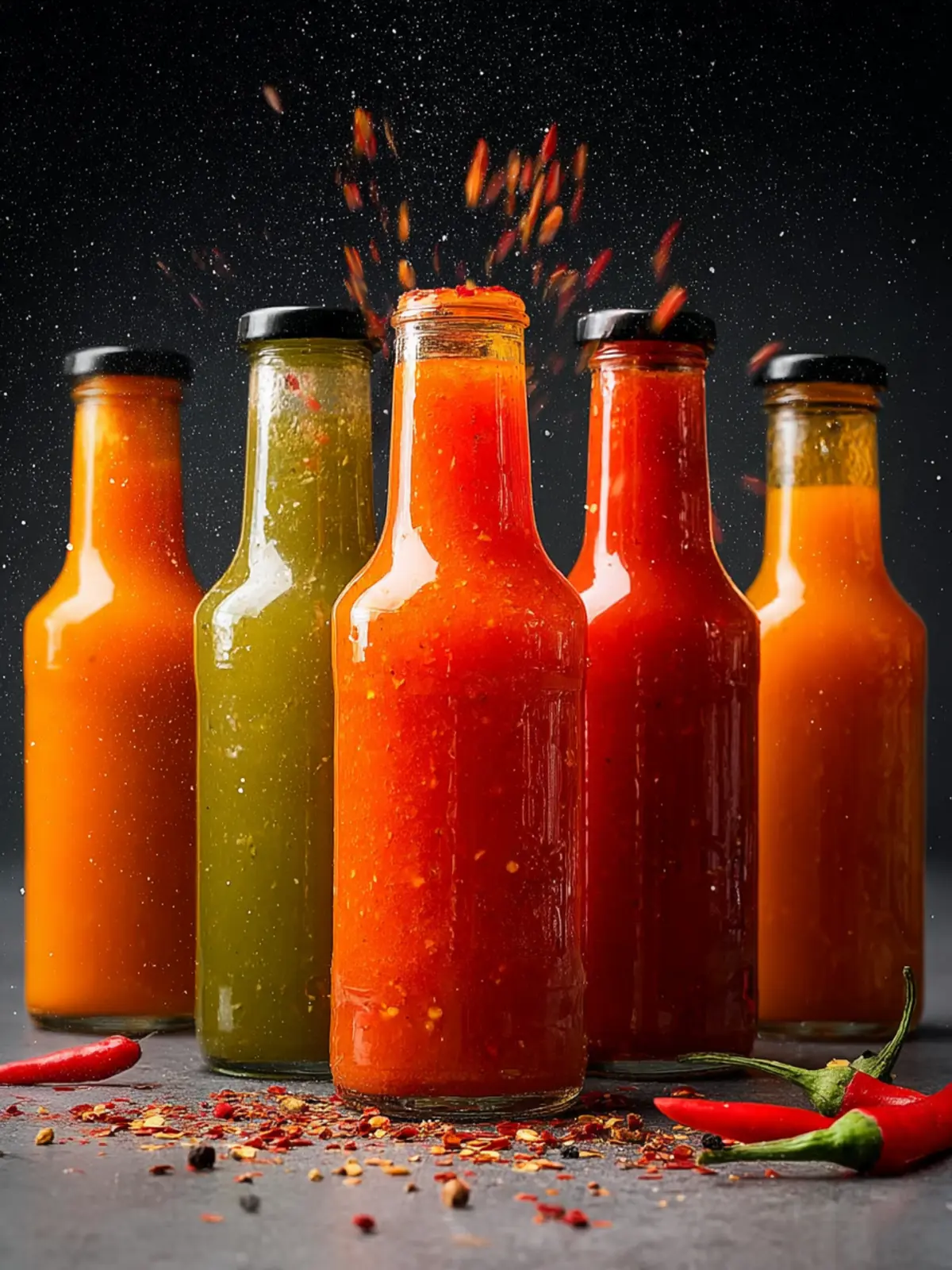
Fermented Hot Sauce: The Best Kick for Your Homemade Dishes

Introduction to Fermented Hot Sauce
When the craving for a spicy kick hits, there’s something uniquely gratifying about crafting your own fermented hot sauce. This delightful condiment combines vibrant flavors with functional probiotic benefits, transforming even the simplest of dishes into culinary masterpieces. Imagine drizzling this fiery concoction over tacos, grilled meats, or even pizza, elevating your meals while benefiting your gut health. The story of fermented hot sauce isn’t just about heat; it’s about the art of fermentation and how we can bring a little extra love and care into our cooking.
Fermentation may sound intimidating, especially for those new to the kitchen, but it’s really a natural process that has been embraced for centuries across many cultures. Think of it as a flavorful science experiment where you create a brilliant balance of acidity, heat, and umami. During fermentation, the natural bacteria break down sugars in the vegetables, creating complex flavors that store-bought sauces often lack. Not to mention, homemade versions let you choose the heat level! You can play around with different peppers to find the perfect blend that teases and tantalizes your taste buds.
So, what makes homemade fermented hot sauce a game-changer? First, it brings the freshest ingredients into your culinary repertoire. By selecting your favorite chili peppers and adding in just the right spices and flavorings, you create a one-of-a-kind sauce that suits your palate perfectly. Secondly, the benefits of fermentation cannot be overstated—it’s not just about taste. This process enhances the nutritional profile of your ingredients while increasing the bioavailability of certain nutrients, making them easier for your body to absorb.
Embrace the art of fermenting today, and you’ll discover a world of flavor that brings your meals to life, all while fostering a healthy gut. Your culinary journey starts with just a few simple ingredients, a bit of patience, and a passion for heat. Let’s dive into the flavorful world of fermented hot sauce!
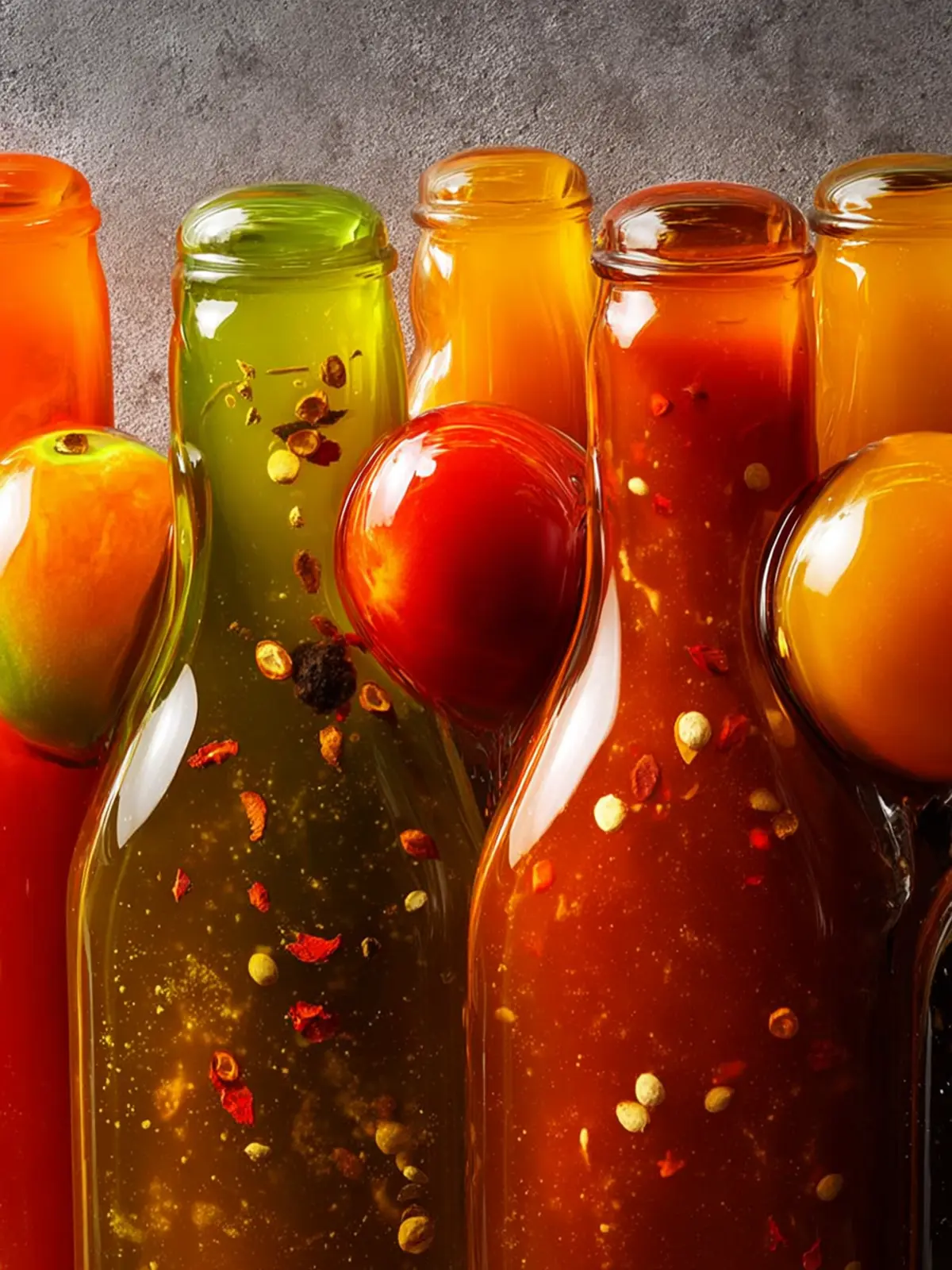
Key Ingredients for Fermented Hot Sauce
Chasing that perfect fermented hot sauce can feel like uncovering a well-kept secret, and the right ingredients truly make all the difference. Here’s what to gather to craft a sauce that’ll elevate your culinary creations.
-
Chili Peppers: The stars of your sauce! Opt for a mix of your favorites—jalapeños, habaneros, or even some local varieties can add unique flavors and heat levels. Freshness is key, so make sure they’re vibrant and firm.
-
Garlic: This pungent powerhouse adds depth and warmth. Use whole cloves, and don’t skimp! The fermentation process will mellow the garlic’s sharpness while still imparting its characteristic flavor.
-
Salt: Essential for fermentation, salt helps create the brine that fuels the good bacteria. Use non-iodized salt, such as sea salt or kosher salt, to avoid off-flavors.
-
Vinegar: While not mandatory in all fermented sauces, a splash of vinegar can balance the flavors and provide tanginess.
-
Water: Filtered water is best to keep everything clean and uncontaminated during the fermentation process.
With these key ingredients in hand, you’re ready to embark on your journey to fermented hot sauce perfection!
Why You’ll Love This Fermented Hot Sauce
If you’ve ever experienced the magical tang of fermented hot sauce, you know it elevates your meals in ways that ordinary hot sauces simply can’t. Imagine pouring a vibrant, complex blend over your tacos or drizzling it on grilled veggies. This homemade version isn’t just about heat; it brings layers of flavor and a delightful acidity that can turn a mundane dish into something extraordinary.
A Flavor Explosion
This fermented hot sauce is bursting with vibrant flavors that come from the unique fermentation process. The contrasts between the fresh ingredients create a taste profile that dance on your palate. Each drop offers a delightful balance of heat, acidity, and savory depth.
Health Benefits to Boot
Beyond its incredible taste, the fermentation process introduces beneficial probiotics, making this sauce not only a flavorful addition but also a gut-friendly one. Probiotics can help support digestion and enhance overall well-being, so you can feel good about adding this zing to your meals.
Customizable and Versatile
One of the best parts about making your own fermented hot sauce is that you can easily tailor it to your liking. Whether you prefer a milder sauce or one that packs a punch, it’s all in your hands. It can be used in marinades, salad dressings, or simply as a table condiment, keeping your meals fresh and exciting.
Embrace the journey of creating your own fermented hot sauce, and you’ll soon understand why it has earned a special place in the hearts of food enthusiasts everywhere.
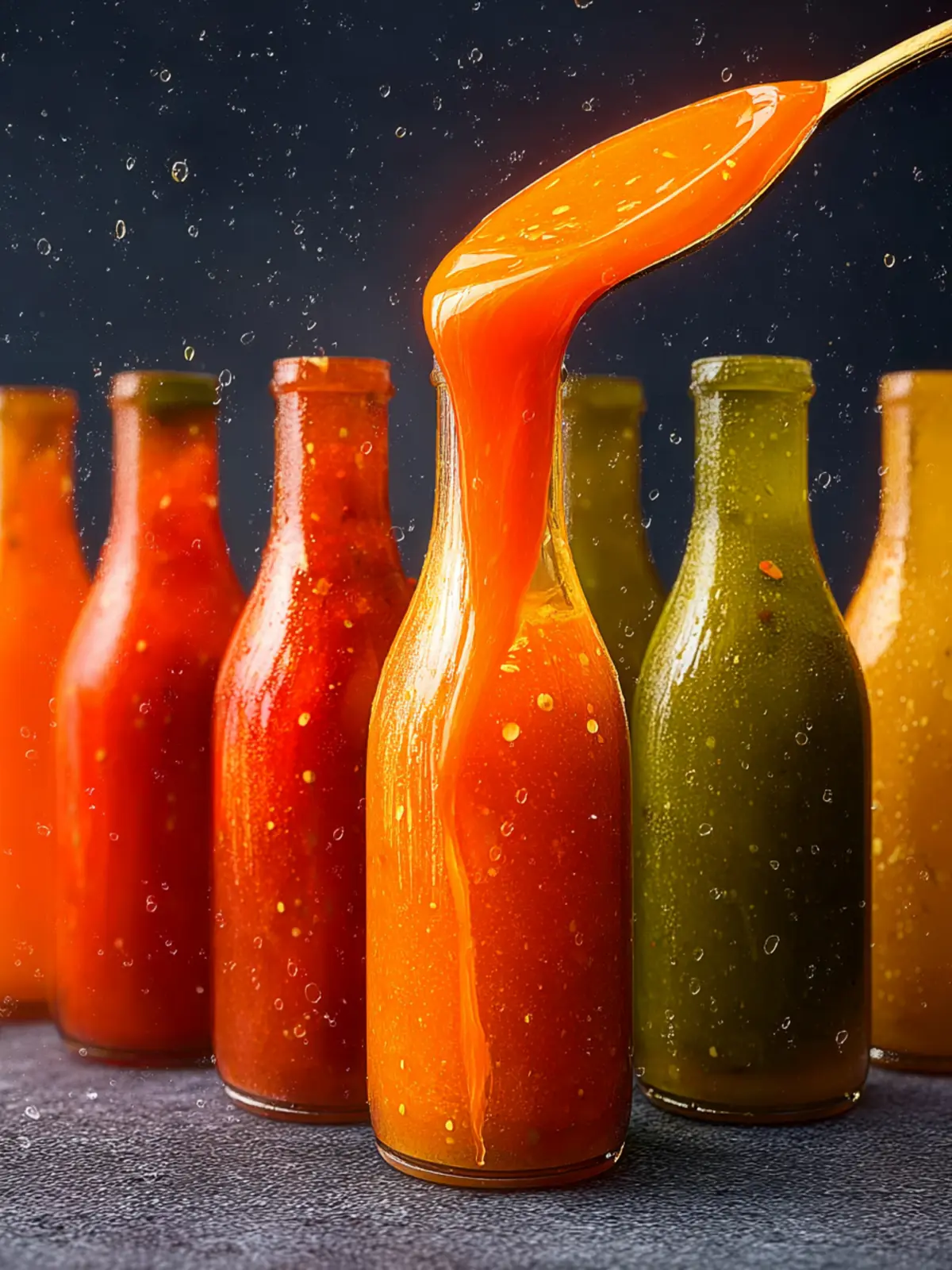
Tips for Making Perfect Fermented Hot Sauce
Creating your own fermented hot sauce is like embarking on a flavor adventure, where each ingredient comes together to craft something truly unique. Achieving that perfect balance of heat and tang requires a little finesse, but don’t worry—I’ve got your back with some essential tips.
Choose the Right Peppers
The backbone of your fermented hot sauce lies in the peppers you select. Personally, I love a mix of jalapeños for heat and some sweeter varieties like bell peppers to mellow the flavor. Feel free to experiment with different pepper varieties to find your ideal blend.
Monitor Your Fermentation
Fermentation is an art form. Keep an eye on the bubbling and odor—both signs that your sauce is alive and thriving. Check it daily; a week usually suffices, but the longer it ferments, the depth of flavor increases.
Salt Matters
Salt is key in the fermentation process. A 2-3% salt concentration will help prevent unwanted bacteria while promoting healthy fermentation. Use non-iodized salt for the best results, as iodized salt can affect the fermentation process.
Blend Wisely
Once fermentation is complete, blending your sauce is where the magic really happens. Blend it to your desired consistency—some enjoy a chunky texture while others prefer it silky smooth. Don’t forget to taste and consider adjusting the acidity with vinegar for extra tang!
Bottle and Store Correctly
After blending, pour your fermented hot sauce into clean bottles. Store them in a cool, dark place; refrigeration can extend the life of your sauce while retaining its flavor. Enjoy your flavorful creation on everything from tacos to eggs!
Time Breakdown for Fermented Hot Sauce
Creating your own fermented hot sauce is not just about the recipe; it’s about the journey. You’re diving into the fascinating world of fermentation, where flavors develop and transform! Let’s break down the time you’ll invest in this flavorful adventure.
Preparation time
Getting everything ready for your fermented hot sauce takes about 15-20 minutes. This includes chopping your selected hot peppers, garlic, and any other aromatic ingredients you choose to include.
Fermentation time
The real magic happens during fermentation, which typically spans 1 to 4 weeks. The duration depends on your desired flavor profile and spiciness level. Be sure to taste along the way!
Total time
From start to finish, including preparation and fermentation, expect to dedicate around 1 week to 1 month for your homemade fermented hot sauce. Patience is key, but the fiery reward will be well worth the wait!
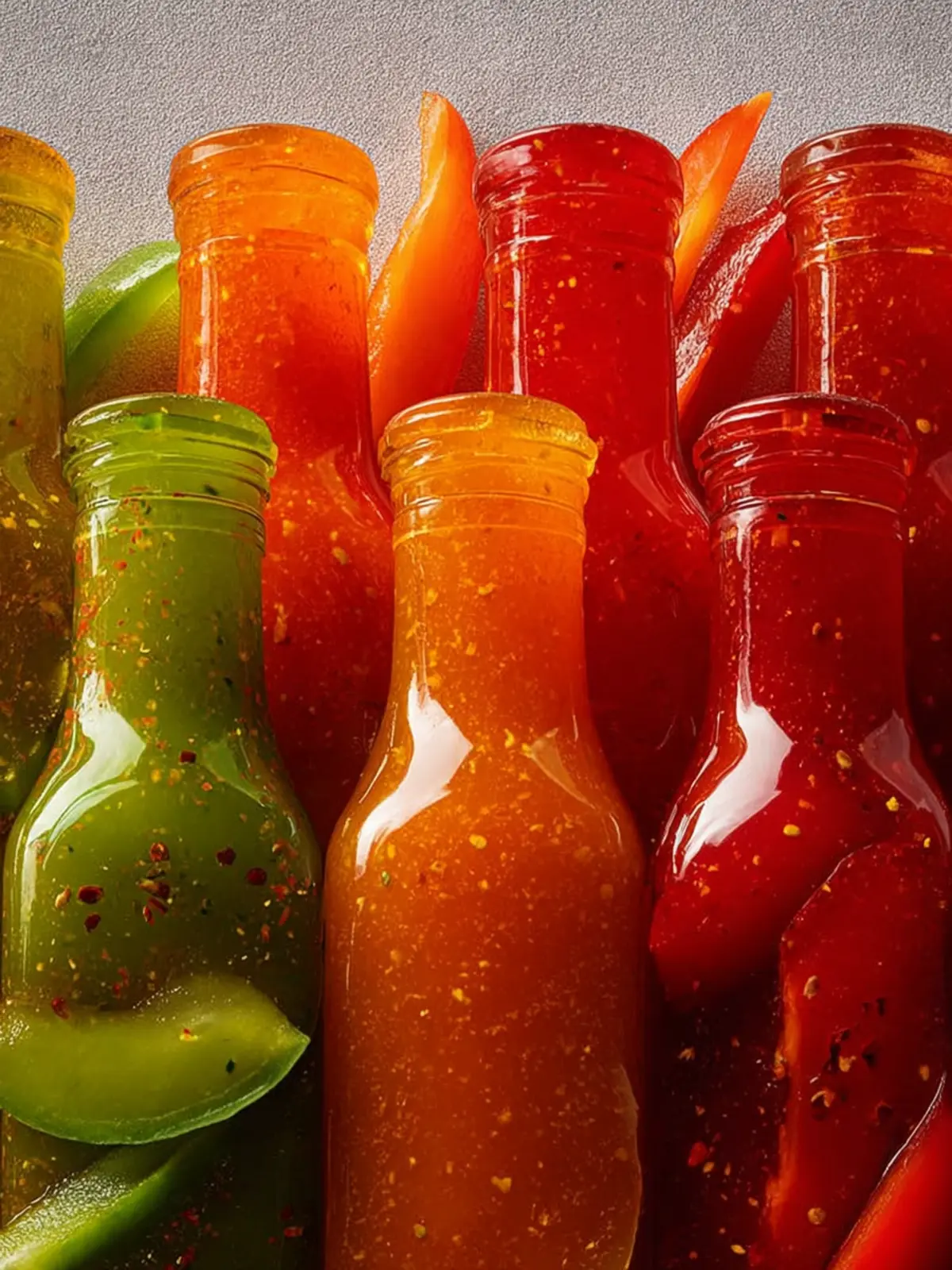
Nutritional Facts for Fermented Hot Sauce
When exploring the realm of fermented hot sauce, you not only embark on a culinary adventure but also tap into a treasure trove of nutrients that can enhance your health. Here’s a breakdown of what you can expect from a typical serving of this fiery condiment:
Calories
A serving of fermented hot sauce typically contains around 15-20 calories. This makes it a fantastic option for adding flavor without an overload of calories, especially for those mindful of their dietary intake.
Protein
While not a significant source of protein, fermented hot sauce includes a trace amount, usually less than 1 gram per serving. It’s not a protein powerhouse, but every little bit counts, especially if paired with other protein-rich foods.
Sodium
Sodium content can vary significantly based on your recipe, but on average, a tablespoon of fermented hot sauce contains about 100-150 mg of sodium. If you’re watching your sodium intake, consider the overall balance in your meal, as this zesty sauce can elevate flavors without excessive use.
This tantalizing addition can transform everyday dishes, offering not just heat but a wealth of flavor and health benefits!
FAQs about Fermented Hot Sauce
Making your own fermented hot sauce can be an exciting adventure, and as you dive into this spicy endeavor, questions are likely to pop up. Here are some common queries answered to help you along the way.
How do I know if my hot sauce is properly fermented?
An essential part of creating delicious fermented hot sauce is ensuring the fermentation process is on track. After a week or more, you’ll notice bubbles rising in the jar and might see some scum on the surface—this is normal. To gauge if it’s ready, taste it! If it’s tangy with complex flavors and a bit of fizz, you’re good to go. If it smells off or has visible mold, it might be time to discard it.
Can I make this sauce with different peppers?
Absolutely! The beauty of fermented hot sauce is its versatility. While the heat level may vary, you can experiment with various peppers like jalapeños, habaneros, or even sweet bell peppers for a milder sauce. Just keep in mind that different peppers will yield different flavor profiles which can elevate your sauce in exciting new directions.
What other ingredients can I add to personalize my hot sauce?
Personalizing your fermented hot sauce can turn it into a culinary masterpiece. Consider adding:
- Garlic: Adds depth and savory flavor.
- Onions: Sweetness when fermented brings a beautiful contrast to the heat.
- Fruits: Pineapples or mangoes can introduce a sweet counterpoint to the spice.
- Herbs: Fresh cilantro or basil can add a refreshing burst.
Feel free to mix and match—this is your sauce, after all! Experimentation is key to discovering your favorite blend. Happy fermenting!
Conclusion on Fermented Hot Sauce
Embracing fermented hot sauce in your culinary repertoire opens a world of flavors that are both exciting and enriching. This homemade condiment not only enhances your dishes with heat but also provides a delightful complexity that store-bought options often lack. By allowing the ingredients to ferment, you’re nurturing beneficial bacteria that boost both taste and health.
Each batch you create tells a unique story, influenced by the type of peppers and spices you choose. Whether drizzled over tacos or added to soups, your fermented hot sauce can transform ordinary meals into extraordinary culinary experiences. Give it a try, and relish the satisfaction of crafting your very own signature sauce!
Print
Fermented Hot Sauce
- Total Time: 3-5 days
- Yield: Approximately 16 ounces 1x
- Diet: Vegan
Description
A flavorful fermented hot sauce made from fresh peppers and garlic.
Ingredients
Scale
- 2 cups Filtered or spring water
- 1 tbsp Kosher or pickling salt
- 1 pound Hot and sweet peppers
- 1–2 Garlic cloves
- ½ Onion (peeled and kept halved)
- 1–2 tbsp White distilled vinegar (Optional)
Instructions
- Make Brine: In a Pyrex glass measuring cup, combine 2 cups Filtered or spring water and 1 tbsp Kosher or pickling salt. Whisk to combine. The salt should be completely dissolved before proceeding.
- Pack jar: Add one clove of garlic and the white onion half to the bottom of a mason jar. Carefully pack peppers into the jar, pressing down firmly as you fill it. Apply fermenting weight, if using.
- Add Brine: Pour the salt brine into the mason jar and cover the peppers. Tap the jar a few times to release any air bubbles. Make sure all the peppers are covered in liquid. Discard any leftover brine.
- Ferment: Apply the fermenting lid. Ferment on the counter for 3–5 days. The longer you ferment, the tangier the sauce will be. The brine may get cloudy, and that’s completely normal.
- Strain and Blend: Strain the contents of the mason jar in a sieve over a bowl, reserving the brine. Add the peppers, onions, and garlic to a blender with a splash of the brine. Blend on high until homogenous (1–2 minutes). Add the optional white vinegar and blend again for 30 seconds. Taste and adjust seasoning. If the sauce is too thick, add more brine and blend again on high speed for 30 seconds.
- Bottle: Transfer the hot sauce to clean hot sauce bottles or mason jars and refrigerate for up to 6 months.
Notes
- This sauce can be adjusted to taste by varying the amount of vinegar and fermenting time.
- Prep Time: 10 minutes
- Category: Sauces
- Method: Fermentation
- Cuisine: American
Nutrition
- Serving Size: 1 tablespoon
- Sodium: 600 mg
- Fat: 0 g
- Saturated Fat: 0 g
- Unsaturated Fat: 0 g
- Trans Fat: 0 g
- Carbohydrates: 1 g
- Fiber: 0 g
- Protein: 0 g
- Cholesterol: 0 mg