
Follow Me On Social Media!

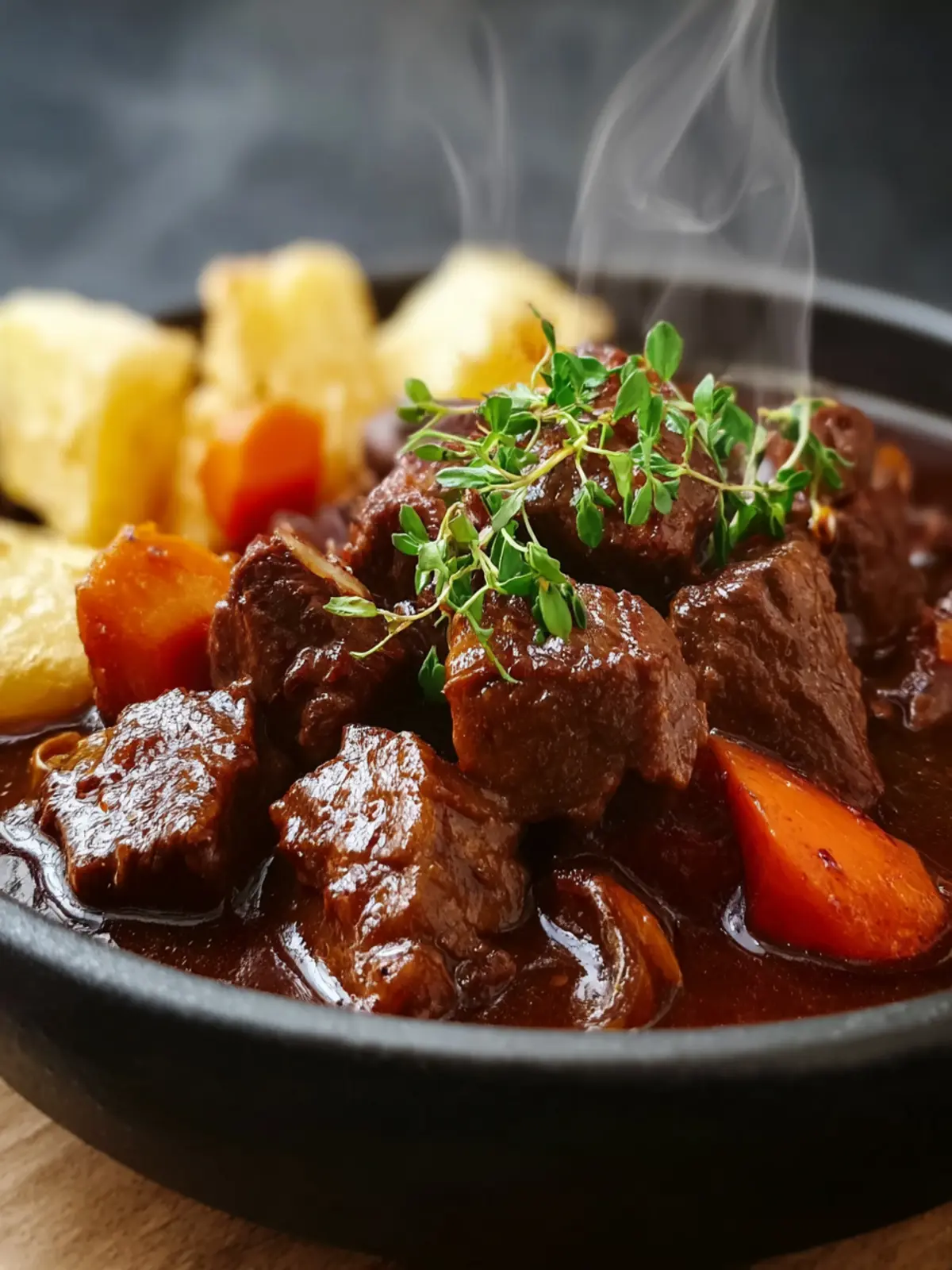
Belgian Stoofvlees: The Best Comfort Food You’ll Crave!

Introduction to Belgian Stoofvlees
When you savor a bite of Belgian Stoofvlees, you’re not just enjoying a meal; you’re embracing a rich tapestry of history and culture that has simmered in the heart of Belgium for generations. This classic dish, often referred to as Flemish Beef Stew, embodies the soul of Belgian cuisine, characterized by its tender beef, bold flavors, and a unique blend of ingredients that come together to create an unforgettable dining experience.
What makes Belgian Stoofvlees unique?
Belgian Stoofvlees sets itself apart from other stews through its distinctive preparation method and the choice of ingredients. One key element is the use of Belgian beer, which serves as both a marinade and a cooking liquid. The dark, malty flavor of traditional Belgian ales enhances the richness of the stew, adding depth and complexity that elevates it beyond a simple meat dish.
Moreover, the slow cooking process is essential. By allowing the beef to simmer for several hours, the meat becomes incredibly tender, practically melting in your mouth, while the flavors meld beautifully together. Traditionally, this dish is served with fries (known as “frites”) or a piece of crusty bread, which is perfect for sopping up the savory sauce.
The combination of onions, hearty vegetables, and herbs, such as bay leaves and thyme, rounds out the flavors. Each bite of Belgian Stoofvlees tells a story of comfort, warmth, and community, making it a favorite among locals and visitors alike.
Whether you’re savoring this dish at a cozy restaurant in Bruges or recreating it in your own kitchen, the charm of Belgian Stoofvlees lies in its ability to bring people together, fostering moments of connection and joy at the dinner table. So, get ready to unfold the magic of Belgian culinary tradition as you dive into this hearty recipe!
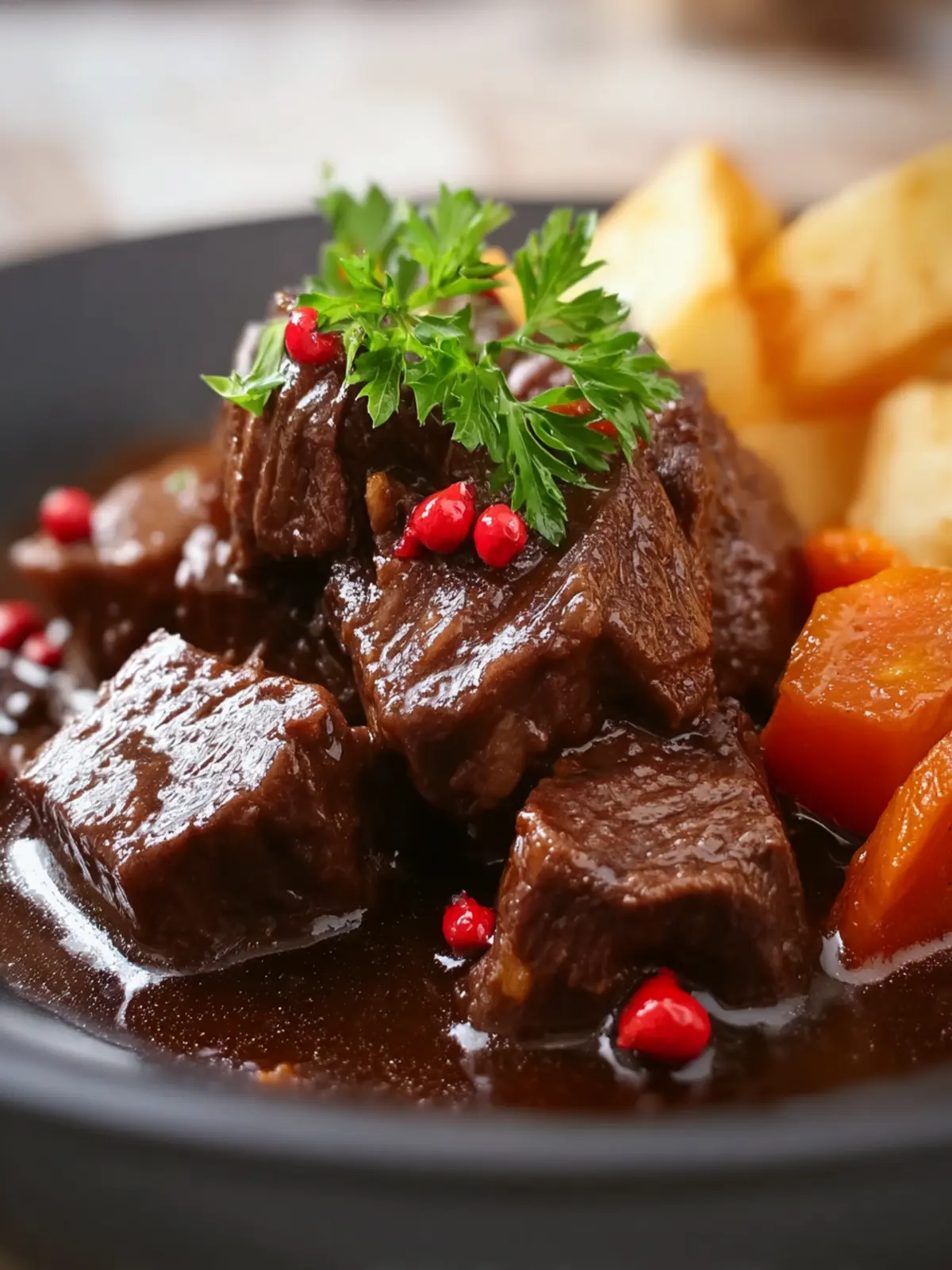
Key Ingredients for Belgian Stoofvlees
Becoming acquainted with Belgian Stoofvlees is like unearthing a warm memory tucked away in the heart of Belgium. This hearty stew is not only a culinary delight but also an emblem of comfort during chilly evenings.
Beef
For the richest flavor, choose a well-marbled cut of beef, such as chuck or brisket, which breaks down beautifully during slow cooking, resulting in tender, juicy bites.
Onions
Onions are the backbone of this recipe. I recommend using yellow onions for a balanced sweetness that complements the beef while adding depth to the sauce.
Beer
Belgian beer is a must, as it infuses the stew with complex flavors. A dark ale or a classic Belgian Dubbel will enhance the richness, contributing to the signature taste of Belgian Stoofvlees.
Mustard
Adding a generous spoonful of mustard not only gives a punch of flavor but also ties all the ingredients together. It’s a secret that elevates the stew to new heights.
Herbs
A blend of thyme and bay leaves brings earthiness to the dish. These aromatics slow-cook beautifully, imparting their essence into the flavorful broth.
Beef Stock
A quality beef stock forms the base of the sauce. Opt for low-sodium options to control the salt levels, allowing the natural flavors to shine.
Next time you plan a cozy dinner, keep these key elements in mind to create your very own Belgian Stoofvlees. It’s a dish that warms not just your body but your heart too!
Why You’ll Love This Recipe
Belgian Stoofvlees isn’t just a dish; it’s a cozy embrace on a cold day, a celebration of rich flavors and heartwarming aromas that evoke cherished memories and invigorating experiences. Imagine coming home to a bubbling pot of tender beef stew, the sweet scent of caramelized onions mingling with earthy herbs wafting through the air.
It’s All About the Flavor
-
Tender Beef: Slow-cooked until it melts in your mouth, the beef shoulder or chuck roast is the star of the show. The cut’s marbling means it becomes incredibly tender and flavorful, making every bite a delightful experience.
-
Rich Beer: Using a good-quality Belgian beer adds depth to the Stoofvlees. The maltiness enhances the savory richness, creating a sweet undertone that balances the flavors beautifully. Don’t skip this ingredient!
-
Onions and Carrots: The combination of sautéed onions and carrots brings a natural sweetness to the dish, harmonizing perfectly with the savory notes of the beef and broth.
Simple Yet Satisfying
What I adore about Belgian Stoofvlees is its hands-off approach once it’s simmering. It allows you time to unwind with a good book or catch up with friends while the flavors meld together. It’s the kind of meal that transcends the everyday hustle, making home-cooked comfort food feel like a special occasion. With a simple list of wholesome ingredients, you’ll find this recipe quick to whip up and even easier to adore.
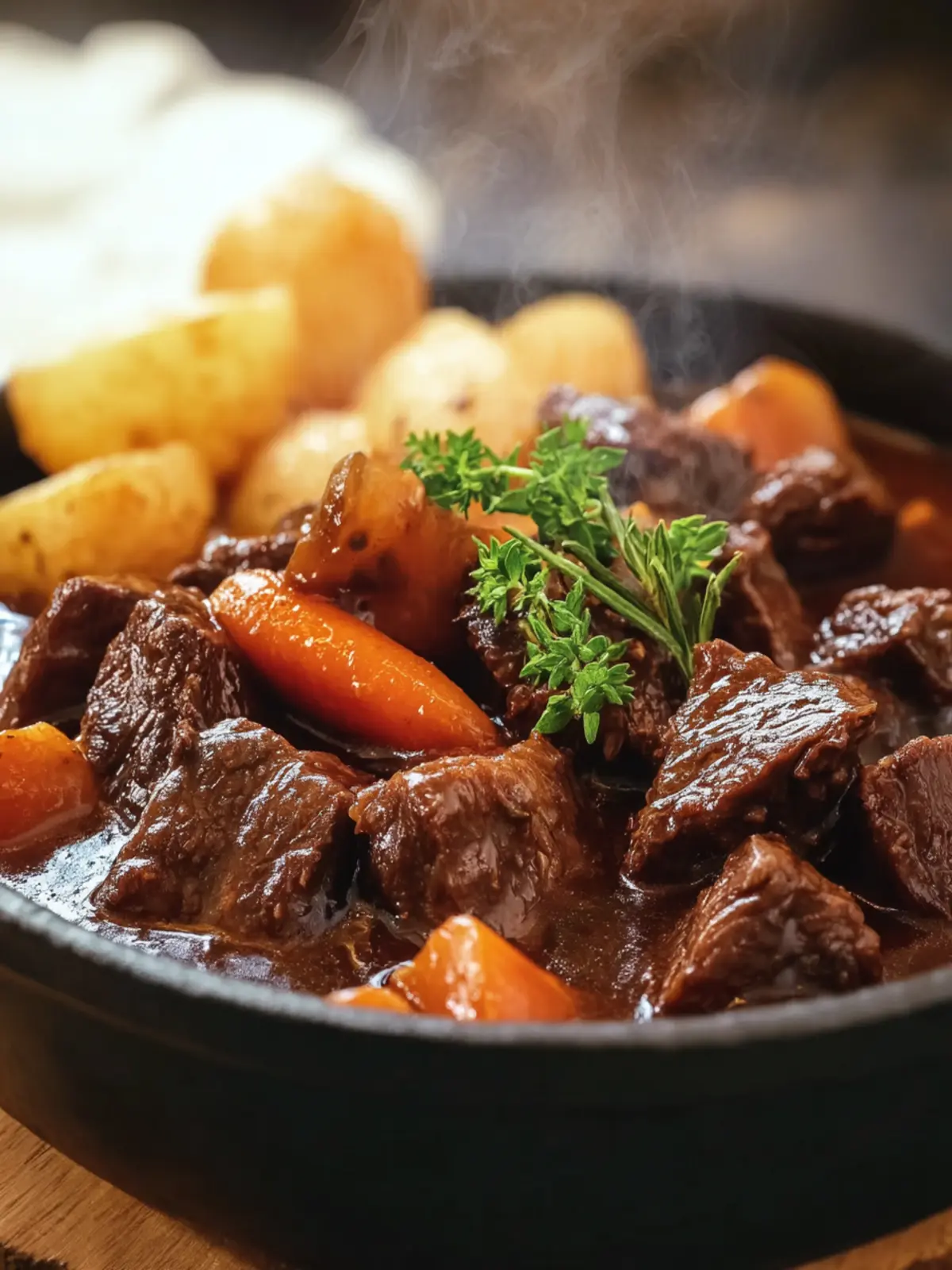
Variations of Belgian Stoofvlees
When you think of Belgian Stoofvlees, the rich and hearty flavors often come to mind, but this dish offers a canvas for creativity beyond the traditional recipes. The great thing about Stoofvlees is its adaptability, allowing you to put your unique spin on this beloved Belgian classic.
Different Meats
While beef is the star in most Stoofvlees recipes, consider trying it with other meats like pork or lamb for a different flavor profile. Pork adds a touch of sweetness, while lamb brings a rich earthiness that can be truly delightful.
Using Different Liquids
The traditional recipe calls for dark Belgian beer, which adds depth and complexity. However, experimenting with different types of beer—like a fruity lambic or a rich stout—can yield interesting results. Alternatively, for a non-alcoholic version, using beef broth with a splash of vinegar or citrus can brighten the dish.
Vegetable Additions
Don’t shy away from adding seasonal vegetables. Carrots and onions are classics, but you might throw in parsnips or mushrooms for added texture and flavor. These veggies not only enhance the taste but also make the dish a bit healthier.
Serving Suggestions
Traditionally, Belgian Stoofvlees pairs excellently with fries, but why not serve it over creamy mashed potatoes or even buttered noodles? This subtle change can elevate the dining experience and introduce new textures.
By exploring these variations, you’ll find that Belgian Stoofvlees can be reinvented while still honoring its traditional roots, giving you a hearty, comforting meal that suits your personal taste.
Cooking Tips and Notes for Belgian Stoofvlees
Making Belgian Stoofvlees is more than just following a recipe; it’s about creating a comforting experience that warms your heart and soul. This rich, hearty stew brings together the best flavors of Belgium, and with a few handy tips, you can elevate your dish to new heights.
Choosing the Right Meat
For a truly tender Stoofvlees, I recommend using either beef chuck or stewing beef. These cuts have enough fat and connective tissue to become melt-in-your-mouth tender during the slow cooking process. Don’t shy away from letting them brown deeply; that caramelization will add layers of flavor!
Embrace the Beer
The choice of beer can make a notable difference in your Stoofvlees. A darker beer, like a Belgian Dubbel or a robust stout, enhances the dish’s richness. However, if you’re not a beer drinker, a good-quality beef broth works wonderfully as a substitute. Keep in mind—always cook with a beer that you enjoy drinking!
Patience is Key
While it’s tempting to rush the cooking process, the best flavor comes from slow simmering. Allow at least two to three hours for your stew to develop its full character. The longer it simmers, the richer the flavor.
Serve with a Twist
Traditionally paired with Belgian fries or crusty bread, consider serving your Stoofvlees with creamy mashed potatoes or buttery spaetzle for something a bit different. A sprinkle of fresh parsley just before serving adds a delightful pop of color!
Make It Ahead
Like many stews, Stoofvlees tastes even better the next day as the flavors meld together. It’s perfect for meal prep or entertaining, making it a go-to recipe you’ll want to revisit time and again.
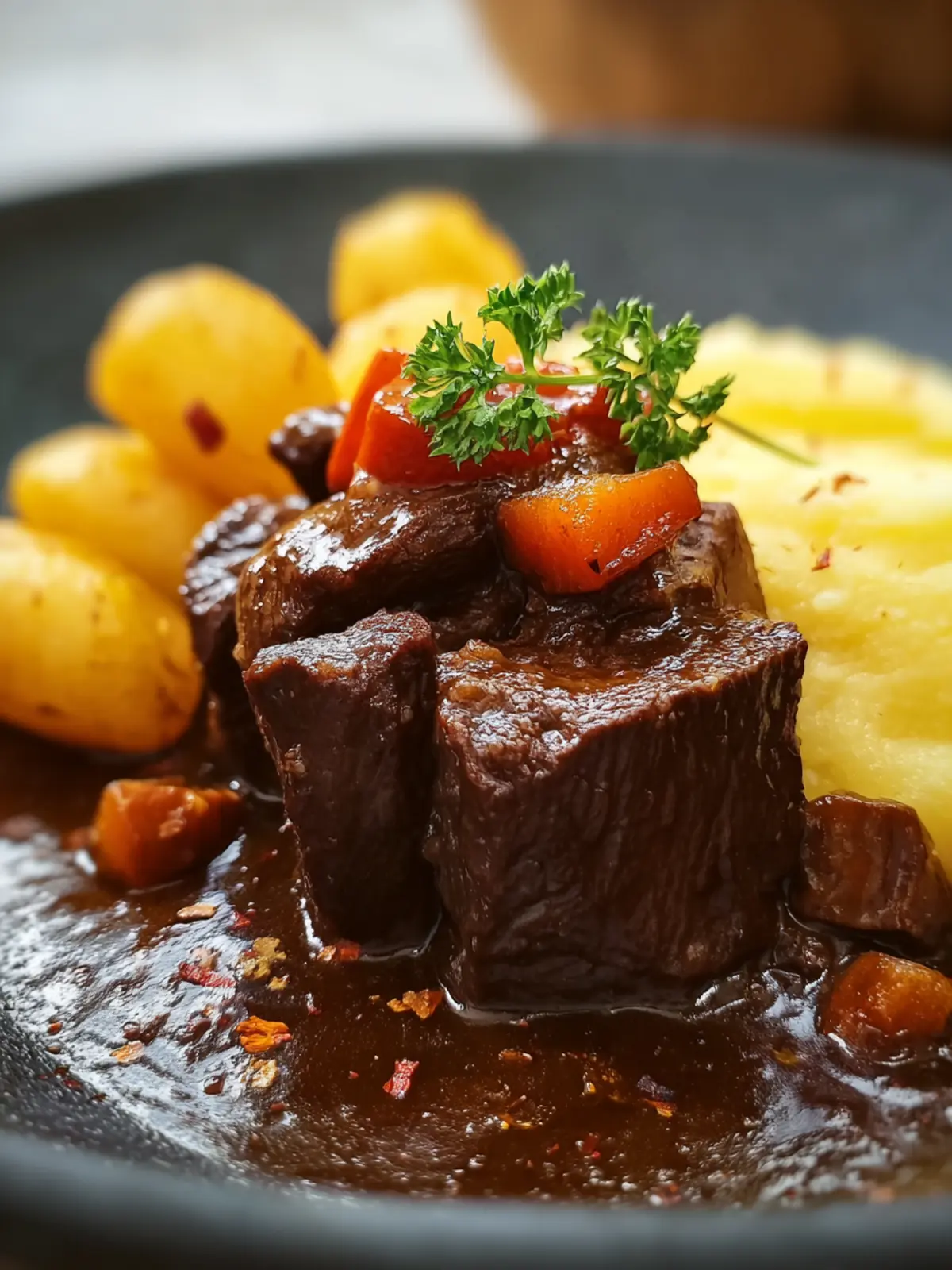
Serving Suggestions for Belgian Stoofvlees
Embracing the warmth of Belgian Stoofvlees can transform an ordinary meal into a heartwarming experience. This rich, flavorful dish deserves the perfect companions to enhance its robust flavor profile.
Ideal Accompaniments
-
Fries: The classic Belgian way to serve this stew is with a side of crispy, golden fries. The combination of the rich sauce and the crunchy texture creates a delightful contrast that’s hard to resist.
-
Bread: A crusty baguette or hearty rye bread is perfect for soaking up the luscious sauce. It adds another layer of enjoyment as you dip into the hearty stew.
-
Salad: Pairing your Belgian Stoofvlees with a simple green salad can help cleanse the palate. A light vinaigrette with fresh herbs can balance the richness of the dish beautifully.
-
Beer: For a truly authentic pairing, consider serving a Belgian ale. The maltiness of the beer complements the stew, making every bite a luscious culinary experience.
Enjoy It Your Way
Getting creative with your serving style can make your meal even more memorable. Whether it’s a cozy dinner with friends or a weekend family gathering, these suggestions are sure to elevate your enjoyment of Belgian Stoofvlees.
Print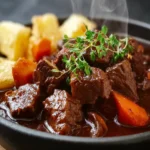
Beef Stew
- Total Time: 2 hours 20 minutes
- Yield: 6 servings 1x
Description
A hearty beef stew made with tender chunks of beef, vegetables, and rich flavors.
Ingredients
Scale
- 2 pounds beef chuck or stewing beef (Brisket can work as a substitute.)
- 2 tablespoons butter (Can use olive oil as a lighter option.)
- 2 tablespoons vegetable oil (Any neutral oil can be used.)
- 2 large onions (Shallots can be used for a different flavor.)
- 1 cup all-purpose flour (Opt for gluten-free flour if needed.)
- 1 bottle Belgian brown ale (Preferably Trappist or Dubbel.)
- 3 cups beef stock (Homemade or low-sodium is healthier.)
- 2 tablespoons apple cider vinegar (Can substitute with lemon juice.)
- 2 tablespoons Dijon mustard (Regular mustard can be used if necessary.)
- 1 tablespoon brown sugar (Maple syrup can be a suitable alternative.)
- 2 bay leaves (Remove before serving.)
- 1 tablespoon fresh thyme (Dried thyme can be used if fresh isn’t available.)
- 1 slice country bread (Any crusty bread can be used.)
- 2 tablespoons unsweetened cocoa powder (Optional for deepening flavor.)
Instructions
- Heat a Dutch oven over medium-high heat and add butter and vegetable oil. Season and brown the beef cubes until caramelized and golden brown, about 5-7 minutes; then set aside.
- In the same pot, add onions and sauté until they turn golden, stirring occasionally for about 5 minutes.
- Sprinkle in the all-purpose flour, stirring constantly for about 1 minute to eliminate the raw flour taste.
- Gradually pour in the Belgian brown ale, stirring vigorously to scrape up any browned bits from the bottom of the pot.
- Add the browned beef back to the pot, along with beef stock, apple cider vinegar, Dijon mustard, and brown sugar. Stir until combined.
- Toss in tied bay leaves and thyme, then place a piece of mustard-covered country bread on top.
- Reduce the heat to low and let the stew simmer gently for about 2 hours until the beef is fork-tender.
- If using cocoa powder, stir it in during the last 30 minutes of cooking and adjust seasoning before serving.
Notes
- This stew is perfect for cold weather and can be made in larger batches for leftovers.
- Serve with crusty bread for a complete meal.
- Prep Time: 20 minutes
- Cook Time: 2 hours
- Category: Dinner
- Method: Stewing
- Cuisine: American
Nutrition
- Serving Size: 1 bowl
- Calories: 450
- Sugar: 5g
- Sodium: 800mg
- Fat: 25g
- Saturated Fat: 10g
- Unsaturated Fat: 5g
- Trans Fat: 0g
- Carbohydrates: 30g
- Fiber: 3g
- Protein: 30g
- Cholesterol: 80mg