Follow Me On Social Media!

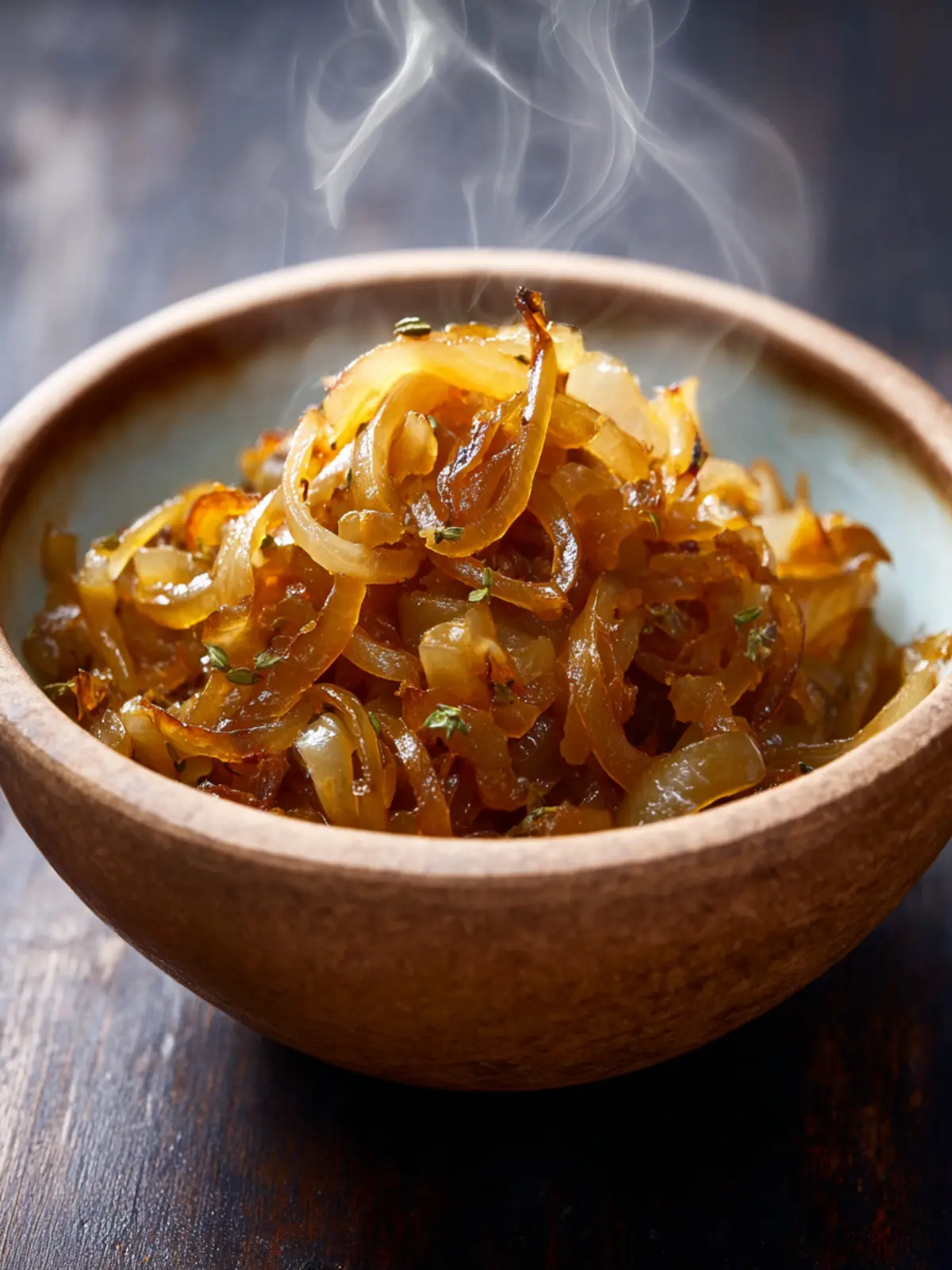
How to Caramelize Onions: The Best Sweet & Savory Boost

Introduction to Caramelized Onions
Imagine strolling through a cozy kitchen, where the aroma of caramelized onions fills the air, beckoning you closer. The soft, sweet scent transports you to a simpler time, where the kitchen was the heart of the home and every meal was a celebration. Mastering the art of how to caramelize onions transforms this humble vegetable into a culinary delight that can elevate any dish.
Caramelized onions are not only a delicious topping for burgers and steaks but also a sublime addition to risottos, soups, and flatbreads. Their rich, golden-brown color and complex flavor profile can add depth to any meal, making them a staple in both everyday cooking and gourmet cuisine. They’ve long been a closely guarded secret among chefs, but we’re about to unlock that mystery for you.
What Makes Caramelized Onions a Kitchen Essential?
The versatility of caramelized onions is truly remarkable. Here’s why you should make this kitchen staple:
-
Flavor Enhancement: Caramelization brings out the natural sugars in the onions, creating a sweet, rich flavor with umami notes. This complexity enhances the taste of your dishes, making them unforgettable.
-
Simplicity: If you think caramelization requires skill, think again! With just onions, a bit of fat (like butter or oil), and patience, you can create an exquisite condiment that takes your meals to the next level.
-
Nutrition Boost: Onions are packed with vitamins and antioxidants. By caramelizing them, you not only add flavor but also boost the nutritional value of your meals. They’re rich in vitamin C, B vitamins, and minerals, contributing to overall health.
-
Meal Prep Friendly: Make a batch ahead of time and store it in the fridge. Then, you can toss these caramelized gems into a variety of dishes throughout the week without any extra effort.
So, whether you’re whipping up a comforting soup, grilling burgers for friends, or just want to add a touch of elegance to a pizza, caramelized onions are a must-try. Get ready to make this sweet, savory staple a regular part of your culinary repertoire!
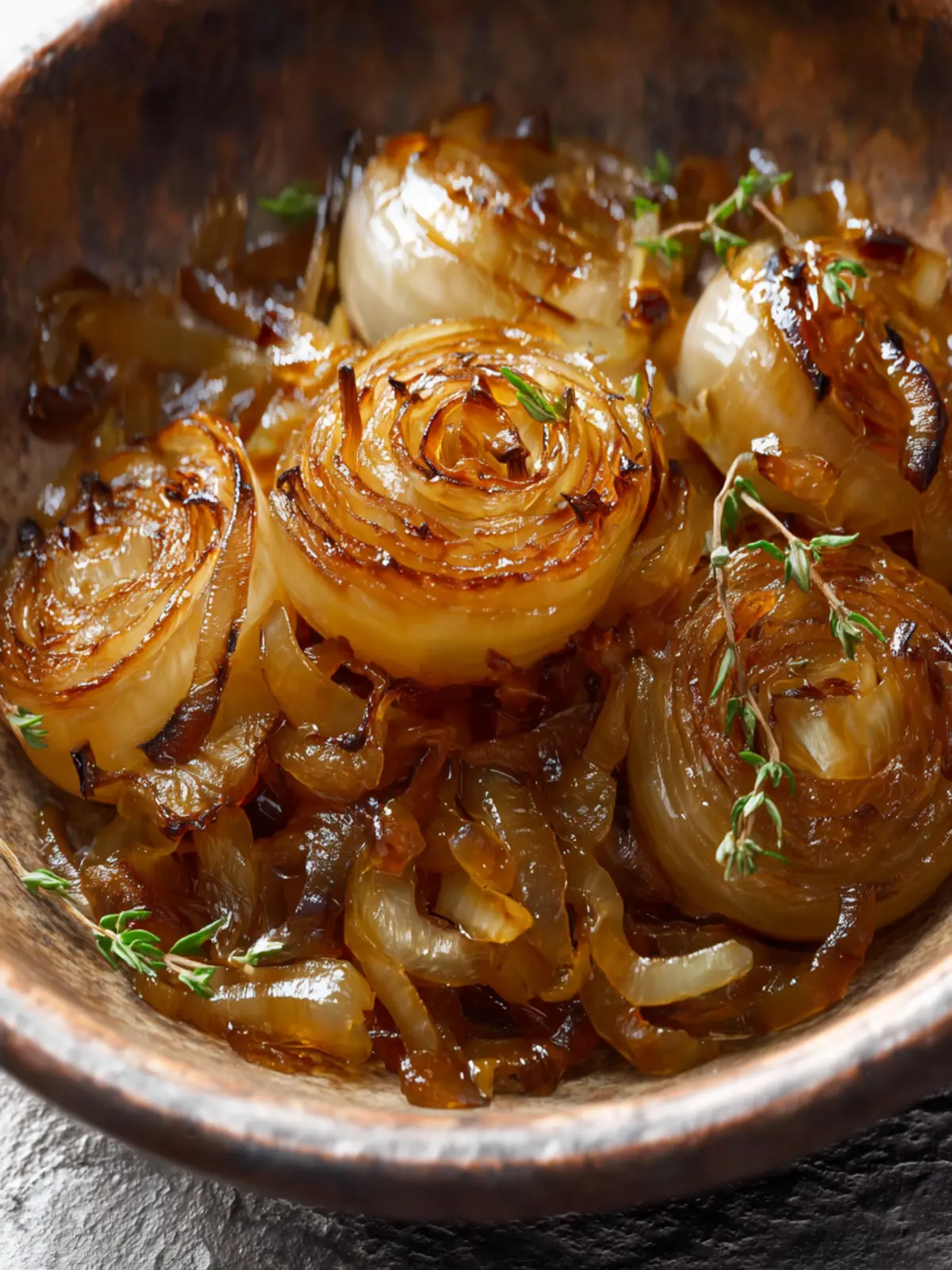
Key Ingredients for Caramelized Onions
Caramelized onions are a culinary delight, and to achieve the best results, you’ll need a few essential ingredients that elevate their flavor beautifully.
-
Onions: I recommend using yellow onions as they possess a natural sweetness that caramelizes beautifully when cooked slowly. However, if you’re a fan of milder flavors, sweet onions like Vidalia also work wonderfully.
-
Butter: A classic choice for caramelizing. I prefer unsalted butter because it allows the sweetness of the onions to shine through. The fat content in butter helps achieve that rich, golden color and deliciously buttery flavor.
-
Olive Oil: Mixing in a bit of olive oil with the butter can help raise the smoke point, preventing any burning during the cooking process. Plus, it adds a lovely depth of flavor.
-
Salt: A pinch of salt is crucial. It not only enhances the natural sweetness of the onions but also helps draw out moisture, hastening the caramelization process.
-
Sugar: While the onions will caramelize on their own, adding a teaspoon of sugar can speed things up and deepen the sweetness even further—it’s a secret weapon I often rely on!
These ingredients are the key to mastering how to caramelize onions, creating an irresistibly rich and savory addition to many dishes.
Why You’ll Love This Recipe
Caramelized onions have an alluring sweetness that transforms any dish they touch, bringing a rich, deep flavor that elevates everything from tacos to gourmet burgers. Imagine this: you’re bustling in the kitchen after a long day, and the enticing aroma of onions slowly cooking down fills the air, calming your senses. Learning how to caramelize onions is not just a cooking skill; it’s an entryway to creating a whole new world of flavors.
Here’s why you will absolutely love this recipe:
-
Simplicity: With just a few basic ingredients—onions, butter, and a pinch of salt—you’re crafting something sublime. The process is straightforward, making it perfect for those busy weeknights or leisurely weekends.
-
Versatility: The applications for caramelized onions are endless! Use them as a topping for a savory tart, mix them into a creamy pasta, or layer them on a gourmet sandwich. They can even enhance dishes you thought you knew!
-
Taste Explosion: Once you taste onions bathed in golden caramel, you’ll realize how wonderfully they can transform your meals. That natural sweetness makes them a favorite among many chefs and home cooks alike.
Make this caramelized onions recipe your own, and you’ll find yourself reaching for it time and again for countless dishes.
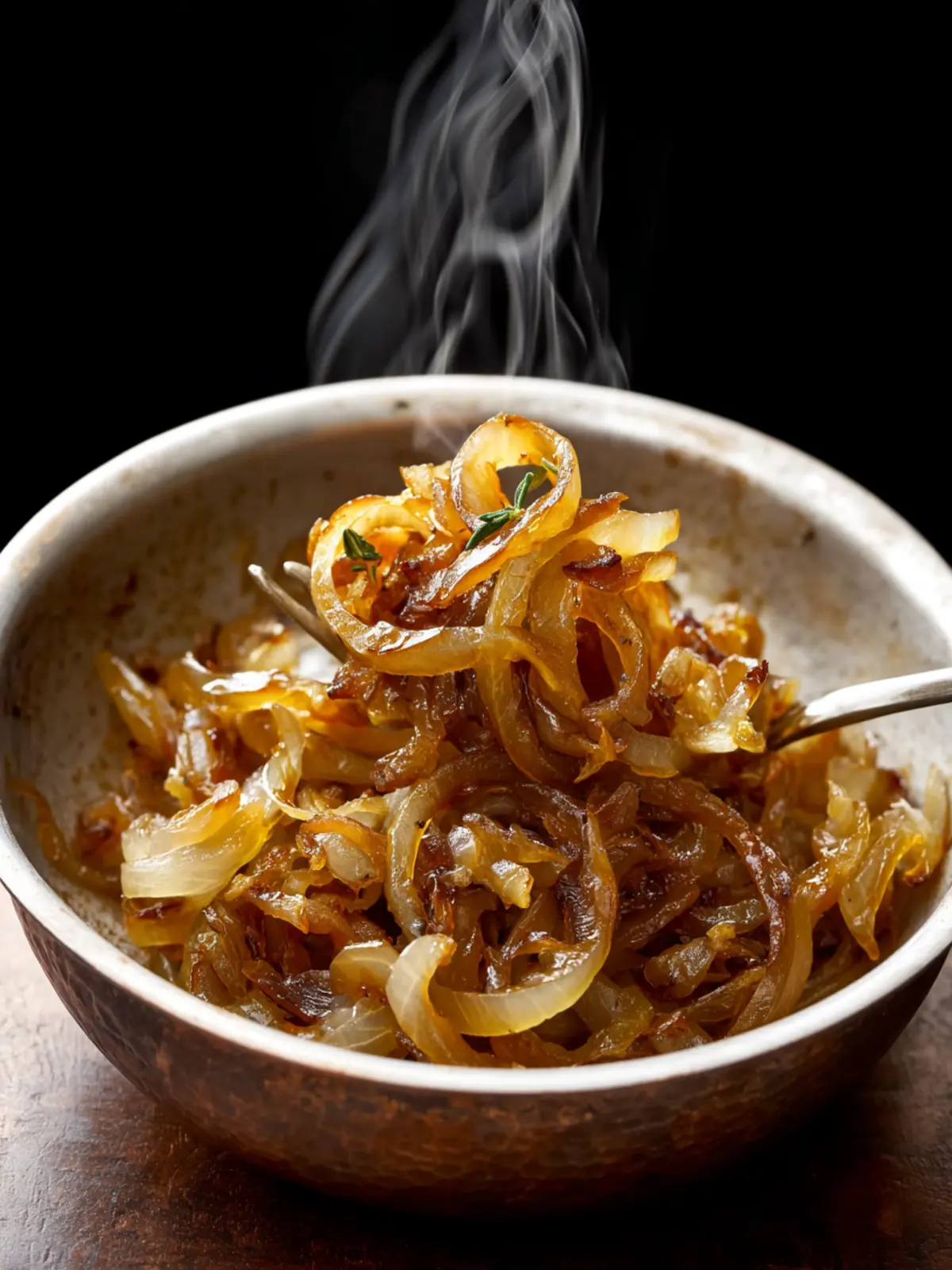
Variations on Caramelized Onions
Caramelized onions are a versatile ingredient, adding a rich, savory depth to a variety of dishes. As you discover how to caramelize onions, remember that these delightful enhancements can take many forms, transforming the humble onion into a star player in your kitchen. Here are a few creative variations to consider:
-
Balsamic Glaze: Drizzling a bit of balsamic vinegar during the final moments of cooking adds a tangy sweetness that elevates the flavors. It’s a wonderful addition for salads or crostinis.
-
Herbed Infusion: Incorporating fresh herbs like thyme or rosemary while cooking deepens the aroma and complements the sweet notes of the onions. This works splendidly in focaccia or as a pizza topping.
-
Red Wine: For a more intense flavor, add a splash of red wine after the onions have softened. The acidity will balance the sweetness and create a complex taste, perfect for beef dishes.
-
Spicy Kick: If you enjoy some heat, consider adding a pinch of red pepper flakes halfway through the cooking process. This subtle spice can make a delightful contrast in sandwiches or wraps.
-
Fruitiness: Try mixing in diced apples or pears. The sweetness from the fruit caramelizes beautifully with the onions and can add a unique twist to a cheese plate or flatbread.
Exploring these variations not only enriches your dishes but also makes the process of how to caramelize onions an exciting culinary adventure. What will you try first?
Cooking Tips and Notes for Perfect Caramelized Onions
Creating caramelized onions is an art that elevates any dish, filling your kitchen with an enticing aroma that beckons you to taste. To achieve these golden, sweet additions, let’s explore the key elements that will guide you effectively.
Choosing the Right Onions
Opt for sweet onions like Vidalia or Walla Walla for a richer flavor. Yellow onions are also great for caramelization, as they balance sweetness and savoriness perfectly. Avoid using overly bitter or pungent varieties, which can disrupt the delicate flavor profile you aim for.
Cutting Matters
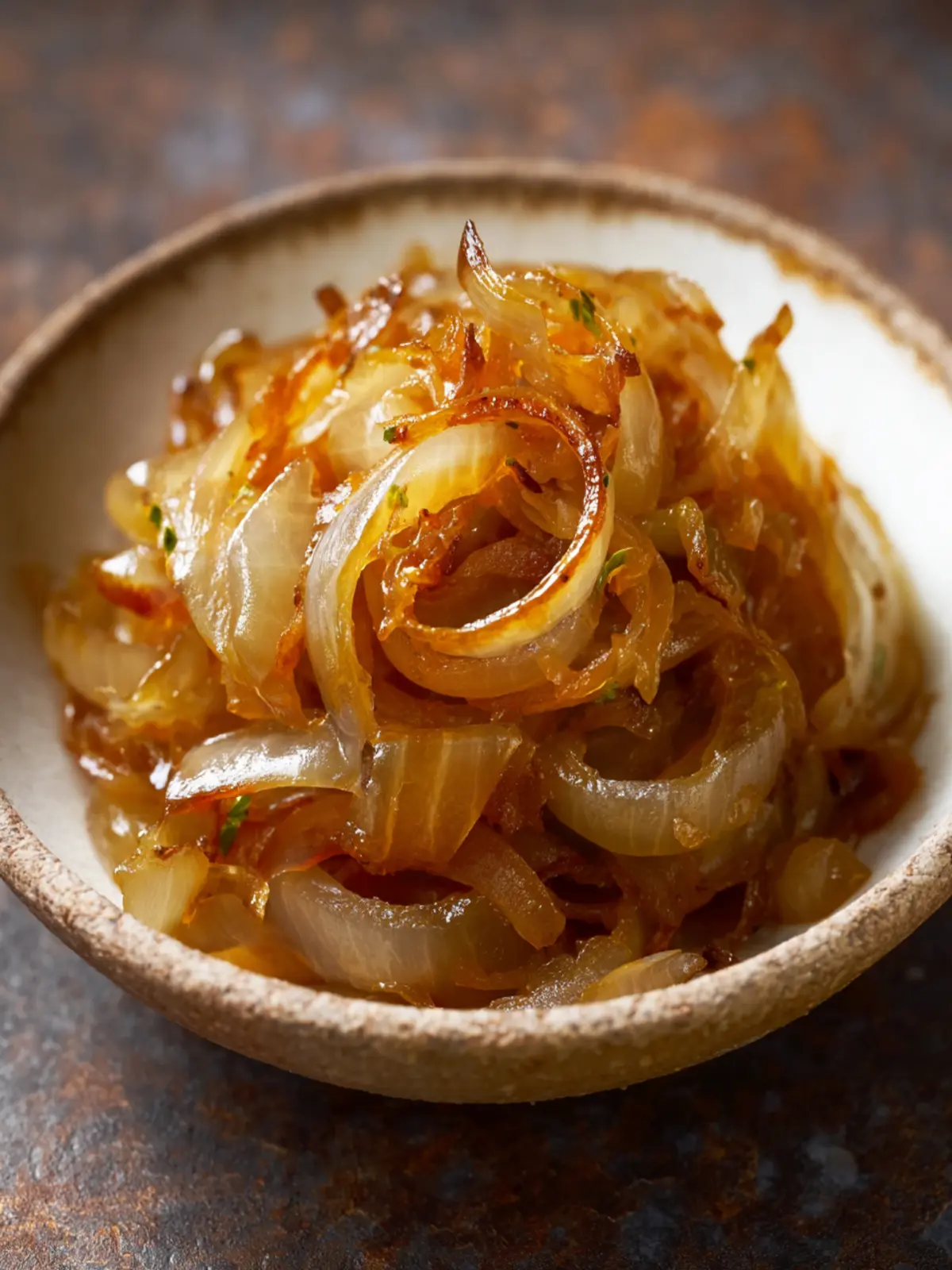
Slice onions evenly—about ¼-inch thick—so they cook at the same rate. Uneven pieces can lead to a mix of well-done and undercooked textures. Remember, patience is key here; don’t rush through this step.
Heat Control
Start with medium heat to get those sugars sweating out of the onions. If your heat is too high, you’ll risk burning instead of achieving that beautiful caramel color. Turn it down to low for the last stretch, giving the onions time to soften and intensify their flavor.
Stirring Techniques
Incorporate a bit of stirring every few minutes, but don’t get too eager. Over-stirring can prevent that lovely browning, so allow some time for those natural sugars to develop. Enjoy the process and watch them transform!
By following these tips on how to caramelize onions, you’ll find yourself mastering the technique and enhancing your culinary creations.
Serving Suggestions for Caramelized Onions
When exploring how to caramelize onions, it’s vital to know that these sweet, deeply flavored gems can enhance a host of dishes. Plus, the aroma of slowly cooked onions can turn any meal into a heartfelt experience. Here are some delightful serving suggestions to elevate your culinary adventures:
-
As a Pizza Topping: Caramelized onions can bring a touch of sweetness to savory pizzas. Try them with goat cheese and spinach for an irresistible combination.
-
In Sandwiches and Burgers: Layering caramelized onions on a juicy burger or deli sandwich adds depth and complexity, enhancing flavors in every bite.
-
With Pasta Dishes: Toss them into your favorite pasta with a drizzle of olive oil, a sprinkle of parmesan, and some fresh herbs for a quick, elegant meal.
-
In Soups and Stews: These flavorful onions can elevate a classic French onion soup, giving it the perfect balance of sweetness and umami.
-
Topped on Grains: Serve caramelized onions over quinoa, rice, or farro for a delightful addition to any grain bowl or salad.
With these serving suggestions, you’ll find yourself reaching for caramelized onions time and again, enhancing dishes and enjoying the robust flavors they bring to your meals!
Time Breakdown for Caramelized Onions
Caramelized onions are a game changer in the kitchen, turning even the simplest dishes into something extraordinary. Understanding the time required really helps in planning your meal prep effectively.
Preparation Time
Preparing for perfectly caramelized onions doesn’t take long, usually about 10-15 minutes. This involves peeling and slicing the onions, which is straightforward but essential for achieving that sweet, deeply flavored result.
Cooking Time
The cooking process requires patience, generally between 30 to 45 minutes on low heat. During this time, the onions will transform from sharp and pungent to delectably sweet and golden brown.
Total Time
In total, you’re looking at around 40 to 60 minutes to prepare and cook your onions. This investment of time will reward you with a versatile ingredient that elevates your meals. Whether you’re stirring them into a soup or topping a burger, knowing how to caramelize onions will definitely impress!
Nutritional Facts for Caramelized Onions
Caramelized onions are not only a delightful addition to many dishes, but they also pack a nutritious punch. Understanding the nutritional value can help you appreciate these tasty morsels even more.
Calories
In a serving of caramelized onions, you’ll find approximately 60 calories. This makes them a flavorful topping that won’t break the calorie bank and can enhance your meals beautifully.
Carbohydrates
With about 14 grams of carbohydrates, mostly from natural sugars, caramelized onions offer a sweet, rich flavor profile that complements savory dishes without added sugars.
Fats
Caramelized onions are low in fat, containing less than 1 gram per serving. This makes them a guilt-free choice to elevate your meals, whether stirred into a pasta dish or piled on a juicy burger.
Exploring how to caramelize onions can take your cooking to new heights, adding depth and richness to your favorite recipes!
FAQ about Caramelizing Onions
Caramelizing onions is a transformative technique that elevates the humble onion into a sweet, rich, and flavorful condiment perfect for various dishes. But for those of you diving into the culinary world and discovering how to caramelize onions, it’s understandable to have questions. Let’s tackle some common queries.
What’s the key to perfectly caramelized onions?
The secret to perfectly caramelized onions lies in patience and heat management. Start with medium heat to draw out the natural sugars in the onions without burning them. Stir them every few minutes to ensure even cooking. If they start to brown too quickly, reduce the heat. Adding a pinch of salt helps draw moisture out, facilitating the caramelization process. For an extra flavor boost, consider deglazing the pan with a splash of wine or broth once they’ve browned.
How long does it take to caramelize onions?
Time is of the essence here! You can expect to spend about 30 to 45 minutes to achieve that perfect golden-brown color and rich flavor. The process may feel slow, but remember, good things come to those who wait. Rushing can lead to burnt onions instead of the sweet, tender result you’re aiming for.
Can I make onions ahead of time?
Absolutely! Caramelized onions are a fantastic make-ahead ingredient. Once cooked and cooled, store them in an airtight container in the fridge for up to a week. You can also freeze them in small portions, making it easy to add a burst of flavor to your meals later on. Just reheat them on the stovetop or in the microwave when you’re ready to use them.
Now that you’re armed with this knowledge, you’re ready to bring your cooking skills to the next level with beautifully caramelized onions. Happy cooking!
Conclusion on Caramelized Onions
Perfectly caramelized onions can unlock a whole new level of flavor in your dishes. Their sweet, golden goodness offers a rich depth that elevates simple recipes to gourmet status. Whether you toss them in pasta, layer them on sandwiches, or use them as a pizza topping, the possibilities are endless. Remember, patience is key; allowing them to cook slowly ensures optimal sweetness and texture. With the simple technique shared in this guide on how to caramelize onions, you’ll impress family and friends alike. So, grab your skillet and start creating your own caramelized onion masterpiece today!
Print
Caramelized Onions
- Total Time: 25 minutes
- Yield: 4 servings 1x
- Diet: Vegetarian
Description
Deliciously caramelized onions, perfect for adding depth of flavor to your dishes.
Ingredients
Scale
- 1½ tbsp extra-virgin olive oil
- 2 tbsp unsalted butter (¼ stick)
- 1 lb. yellow onions (peeled and thinly sliced)
- 1 tsp fresh thyme leaves
- ¼ tsp kosher salt
- ⅛ tsp freshly ground black pepper
Instructions
- Add the oil and butter to a medium-large skillet set over medium-high heat.
- Once the butter is melted, add the onion, thyme, salt, and black pepper.
- Cook until the onions start to turn brown in spots, about 5 minutes, stirring frequently.
- Turn the heat down to low, cover the skillet, and cook 15 minutes more, stirring occasionally.
- Add a splash of water as necessary if the onions start to stick to the pan or if the pan starts to get too dark.
Notes
- These caramelized onions can be used in a variety of dishes such as burgers, pizzas, or as a topping for meats.
- Prep Time: 5 minutes
- Cook Time: 20 minutes
- Category: Side Dish
- Method: Saute
- Cuisine: French
Nutrition
- Serving Size: ½ cup
- Calories: 100
- Sugar: 4g
- Sodium: 150mg
- Fat: 8g
- Saturated Fat: 5g
- Unsaturated Fat: 2g
- Trans Fat: 0g
- Carbohydrates: 12g
- Fiber: 2g
- Protein: 1g
- Cholesterol: 15mg