Follow Me On Social Media!

How to Make Compound Butter: Irresistibly Flavorful Magic

Introduction to How to Make Compound Butter
When you dive into the world of compound butter, you open the door to a universe of versatile flavors that can elevate any dish. Imagine a velvety, rich butter infused with herbs, spices, or even sweet elements, ready to transform your culinary creations. Compound butter isn’t just a fancy addition; it’s a simple yet innovative way to bring out the best in meats, vegetables, or bread with minimal effort.
Creating your own compound butter is an adventure that many home cooks cherish. It’s an opportunity to combine ingredients that reflect your personal taste or even your mood. Have leftover herbs from last weekend’s dinner? Why not blend them into a smooth butter compound that you can use to enhance a quick weeknight meal? Or perhaps you just want to experiment with unique flavors to impress guests at your next gathering. With just a few basic tools and ingredients, you can create something that feels extravagant yet is rooted in simplicity.
The Joy of Homemade Flavors
Crafting compound butter is all about infinite possibilities. The sheer flexibility in flavors means that whether you’re craving something savory, sweet, or adventurous, there’s a blend waiting for you to experiment with.
-
Herbs and Spices: From fresh basil to roasted garlic, the herbal combinations can be astonishing. Did you know that adding citrus zest can make your compound butter pop? Just a little twist can take your dishes to another level.
-
Sweet Additions: If you’re looking to add a hint of sweetness, try mixing in honey or cinnamon. This creates a delightful spread for breakfast breads or pancakes.
-
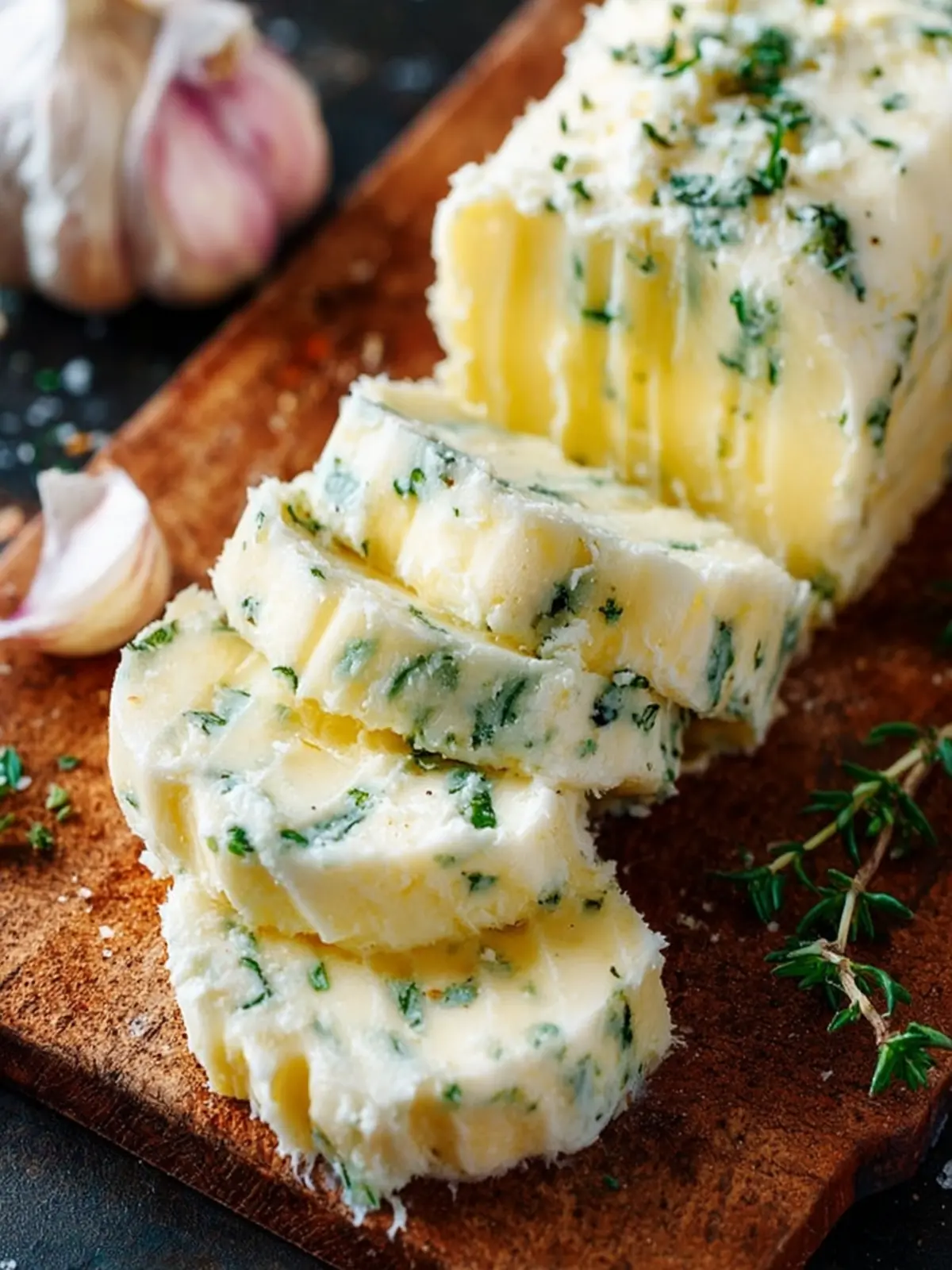
Texture is Key: The process itself is straightforward—combine softened butter with your choice of ingredients, form it into a log, and chill until firm. This simplicity ensures that homemade compound butter is accessible to everyone, from novice cooks to seasoned chefs.
With a little creativity and some key ingredients, learning how to make compound butter can quickly become a cherished part of your cooking routine. So roll up your sleeves, and let’s get started on this culinary journey!
Key Ingredients for How to Make Compound Butter
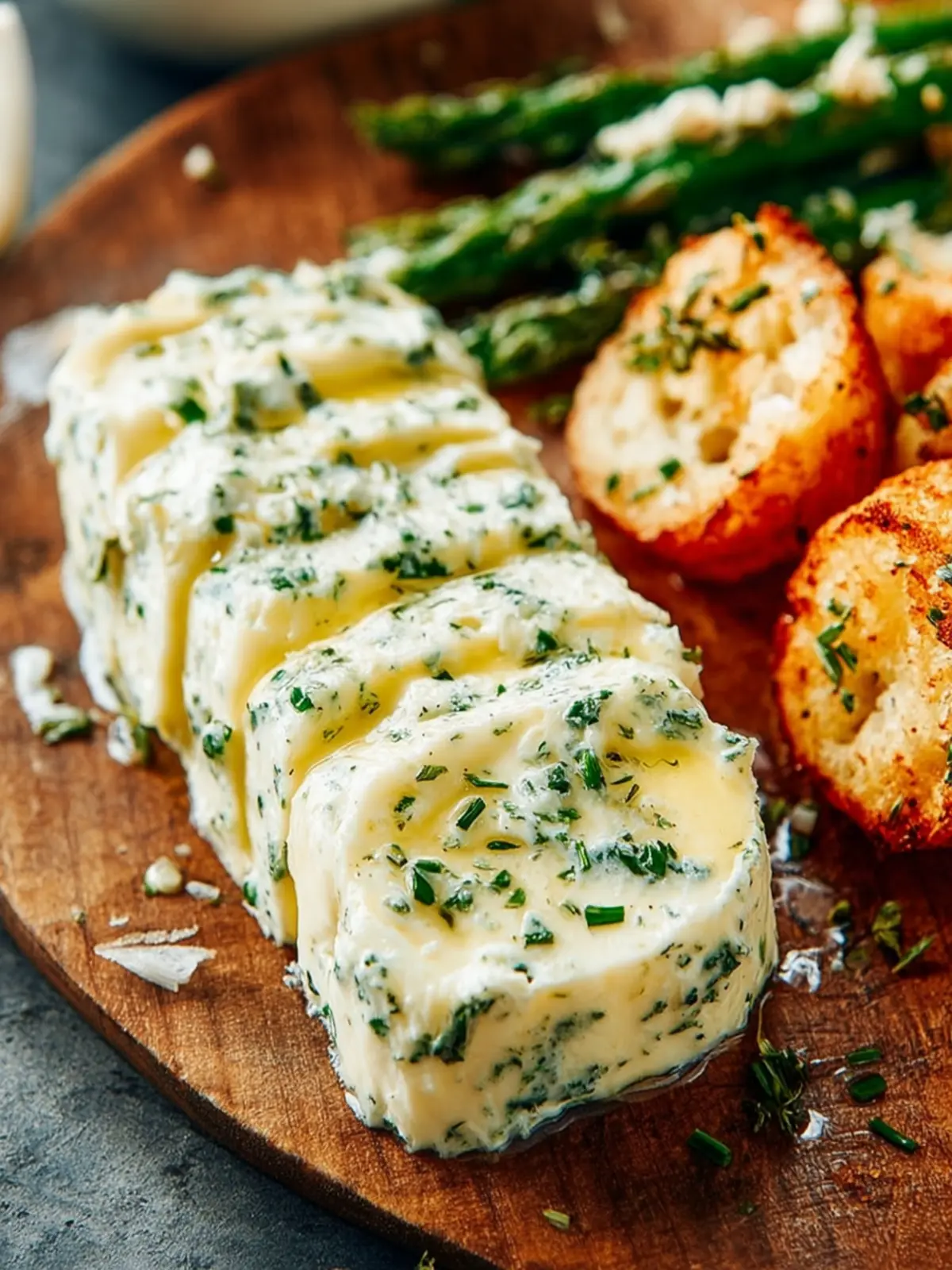
Butter: The star of your compound butter is, of course, high-quality butter. I prefer using unsalted butter so that I can control the saltiness of the final product. Be sure to let the butter soften at room temperature; this step is crucial for blending in the other ingredients effortlessly.
Herbs: Fresh herbs like parsley, chives, or thyme bring an aromatic freshness that elevates your compound butter. The best part? You can customize your herb mix based on seasonal availability or your personal taste. Dried herbs are a backup option but fresh will give you the best flavor.
Garlic: Minced garlic adds a rich, savory depth to the compound butter. It allows for a nuanced flavor that can transform your dishes, especially when used in cooking. If you prefer a milder taste, consider roasting the garlic beforehand.
Citrus Zest: A touch of lemon or lime zest brightens up the butter, giving it a vibrant kick. It’s a secret ingredient that brings unexpected balance to rich flavors. Just a small amount can make a big difference!
Salt: A pinch of sea salt enhances all the flavors, tying everything together beautifully. Adjust the salt according to your personal preference or the use you have in mind for your butter.
Why You’ll Love This Recipe
When you discover how to make compound butter, you’re really unlocking a world of flavor that transforms even the simplest dishes into something extraordinary. Picture this: a Sunday brunch that features perfectly seared steaks or fresh grilled veggies topped with a dollop of your homemade herb-infused compound butter. Isn’t that delightful?
Creating this luscious butter is not only easy but also a total game-changer for your culinary skills. Whether you’re hosting friends or just treating yourself, the variety of flavors you can create—from garlic and chive to citrus and honey—means you can tailor each batch to your mood or meal. Additionally, this recipe invites improvisation, allowing you to experiment with what you have in your pantry.
You also don’t need a ton of time! With minimal prep and no special kitchen gadgets required, you can whip up a flavorful compound butter in minutes. Plus, it makes a fantastic gift—imagine surprising a friend with a pretty little jar of your signature blend.
In short, learning how to make compound butter not only elevates your cooking but also brings joy to your kitchen, making it a worthy addition to your recipe repertoire.
Variations on Compound Butter
Compound butter opens up a world of flavor possibilities, allowing you to transform your dishes with just a few simple adjustments. Considering how to make compound butter might feel overwhelming at first, but trust me — it’s as easy as it is delicious.
Herbed Delight
For a refreshing twist, try mixing in fresh herbs like chives, parsley, or dill. Not only do they add vibrant color, but they also elevate grilled meats and vegetables. I remember a summer barbecue where a dollop of herb-infused butter on grilled corn stole the show!
Sweet and Savory Bliss
Mix in honey or maple syrup for a sweet compound butter that pairs beautifully with breakfast items. Spreading a touch of honey butter on warm toast or pancakes can turn any morning into a special occasion.
Spicy Kick
If you’re feeling adventurous, consider adding minced garlic, chili flakes, or smoked paprika. This spicy version will ignite your grilled chicken or fish, leaving your taste buds dancing. Unity in flavor, yet each bite delivers a unique twist!
Citrus Burst
Zest from lemons, limes, or oranges can lighten and brighten your butter, making it a fantastic addition to seafood dishes. I once made a lemon-zested butter that transformed a simple grilled salmon dinner into a gourmet experience.
Experiment with these variations, and you’ll discover that learning how to make compound butter is just the beginning of a culinary journey filled with delightful surprises!
Cooking Tips and Notes
Creating delicious compound butter is an art that even a busy professional can master with the right approach. Picture this: you’ve just finished a long workday, and a simple dollop of compound butter can elevate your meal into a gourmet experience with minimal effort.
Choose Quality Ingredients
- Butter: Opt for unsalted butter to give you control over the seasoning. It’s the perfect canvas for the fresh flavors you’ll be adding. Let it soften at room temperature for easy blending.
- Herbs and Spices: Fresh herbs enhance the flavor immensely. Think of rosemary for a savory twist or basil for a fresh, fragrant touch. Remember that dried herbs can be used too but might not provide the same punch.
Customization is Key
- Experiment: Don’t hesitate to mix and match ingredients. If you’re considering how to make compound butter, think about adding some garlic or lemon zest to satisfy your palate. A hint of spice from chili flakes could also introduce an unexpected kick.
Storage Tips
- Wrap it Right: After shaping your butter into a log, wrap it tightly in parchment paper or plastic wrap to keep it fresh. You can also store it in an airtight container for added longevity.
- Freezing: Compound butter can be frozen for up to three months. Just slice off what you need straight from the freezer—easy!
These simple tips will make your venture into the world of compound butter not only delicious but also fun and rewarding!
Serving Suggestions for Compound Butter
Crafting the perfect compound butter opens up a world of culinary possibilities, transforming ordinary dishes into extraordinary experiences. Spread it on warm, crusty bread for a delightful starter, or use it as a finishing touch on grilled meats and vegetables to elevate their flavors.
Elevate Your Everyday Dishes
-
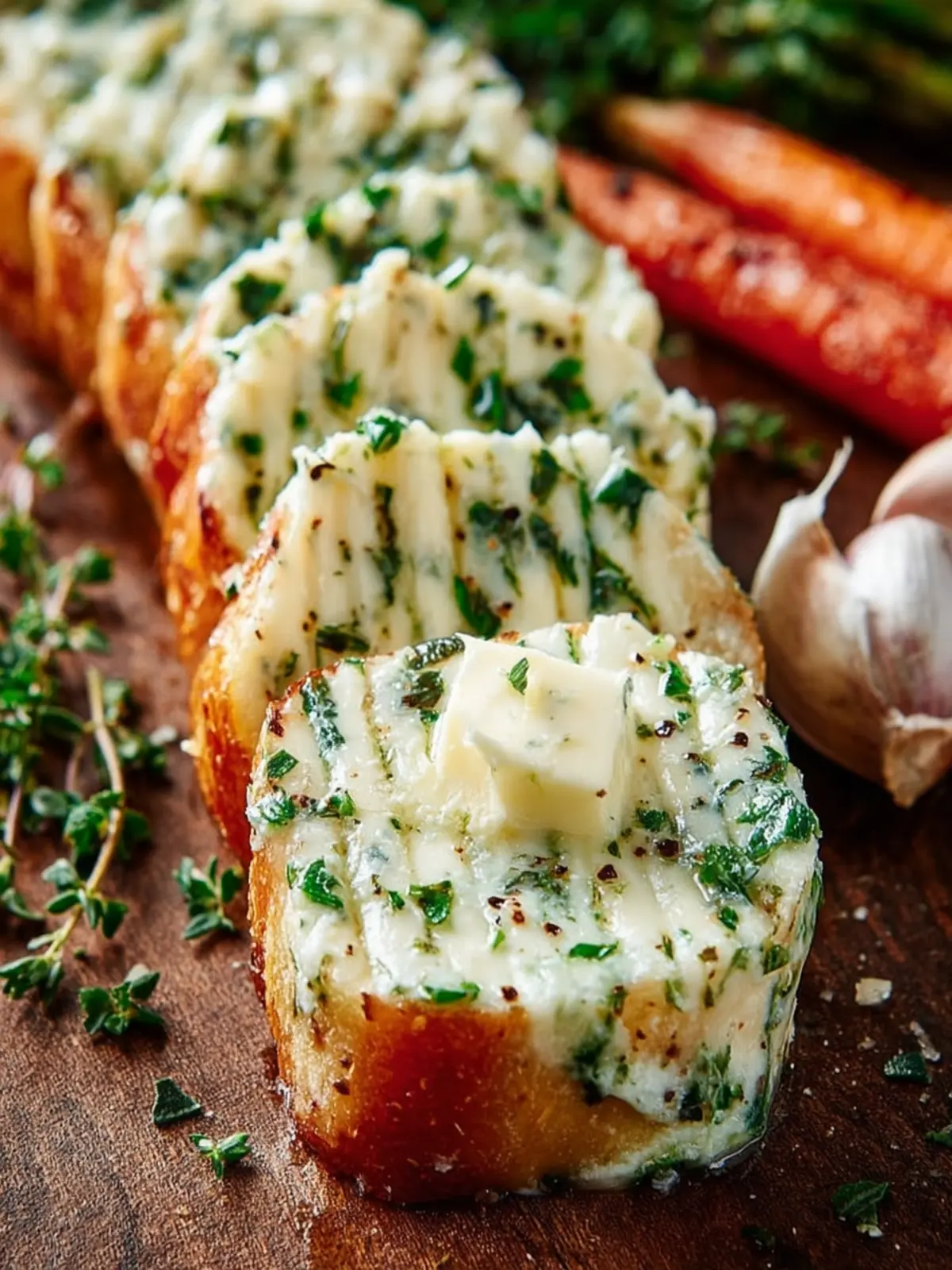
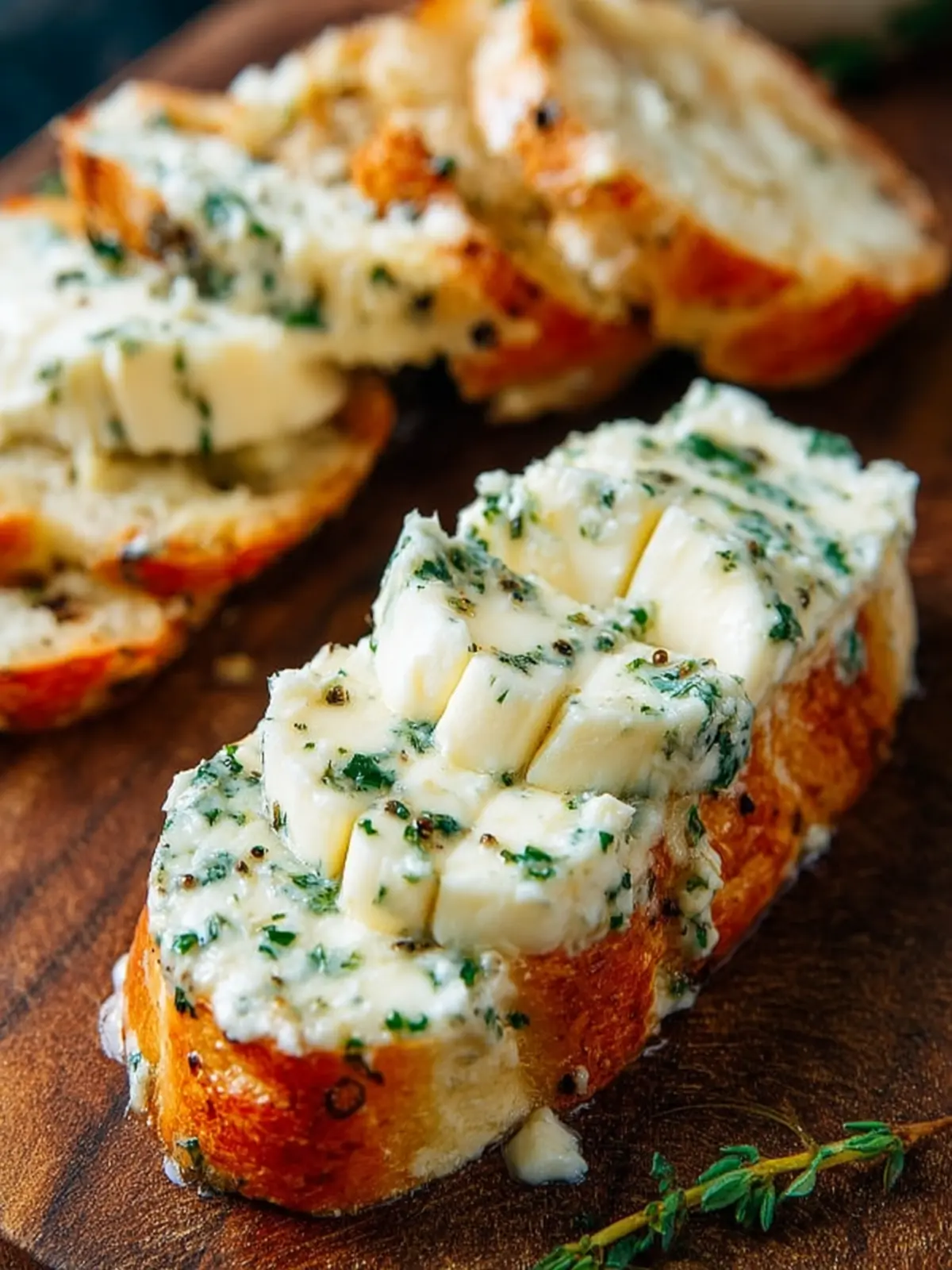
On Toast: A simple slice of toast becomes a gourmet treat with a generous dollop of your favorite compound butter. Imagine herby butter melting into warm baguette slices—a match made in heaven.
-
With Vegetables: Toss steamed or roasted vegetables in garlic herb compound butter for a burst of flavor that makes healthy eating enjoyable. This easy trick makes even the pickiest eaters go for seconds.
-
On Steak: A pat of compound butter on a juicy steak? Yes, please! It enhances the richness of the meat and adds a luxurious finish that will impress your guests.
Experiment with flavor combinations, and don’t hesitate to get creative. The best part about knowing how to make compound butter is that you can customize it to suit your palate. Whether you fancy savory or sweet, you’re in for a treat!
Time Breakdown for Making Compound Butter
Creating a delicious compound butter is a delightful experience that can elevate any meal. Understanding the breakdown of time involved helps ensure your how to make compound butter journey goes smoothly.
Preparation Time
The first step in your adventure is preparation, which typically takes about 10-15 minutes. Gather your selected herbs, spices, and any other flavorful additions. Having everything ready to go makes the blending process so much easier.
Mixing Time
Once you’ve prepared the ingredients, the mixing takes another 5-10 minutes. Simply combine the softened butter with your mix-ins in a bowl, and use a fork or spatula to mix everything until well-blended.
Refrigeration Time
After mixing, you’ll want to refrigerate the compound butter for at least 1-2 hours to allow the flavors to meld together. If you’re patient enough to leave it overnight, that’s even better! This sets the shape and enhances the taste, allowing every bite to be a flavorful experience.
Nutritional Facts for Compound Butter
Creating your own compound butter not only elevates your dishes but also comes with its own nutritional profile. Knowing what you’re infusing into your meals can help you enjoy it guilt-free!
Calories
A tablespoon of compound butter generally contains around 100 calories. This makes it a rich addition to your dishes, so use it wisely!
Fat Content
With approximately 11 grams of fat per tablespoon, compound butter primarily consists of saturated fats, especially if you’re using standard butter. These fats help enhance flavor and texture but should be consumed in moderation.
Sodium
While the sodium content can vary based on your added ingredients, a basic compound butter often contains about 90 milligrams of sodium per tablespoon. It’s great to sprinkle on bread or vegetables, but be mindful of your overall sodium intake throughout the day.
FAQs about Making Compound Butter
Creating your own compound butter opens up a world of flavor possibilities in your kitchen. If you’re curious about how to make compound butter and want to dive deeper into this culinary delight, read on!
Can I use other herbs or spices?
Absolutely! One of the best things about compound butter is its versatility. You can customize it with an array of herbs or spices to suit your taste. Think fresh basil, thyme, or rosemary for a savory version. Want something with a kick? Try adding cayenne pepper or smoked paprika. Sweet tooth? Consider cinnamon and nutmeg combined with honey for a delightful dessert spread. The key is to experiment and find combinations that resonate with your palate.
How long does compound butter last in the fridge?
When properly wrapped and stored, compound butter can last in the refrigerator for up to two weeks. Ensure it is tightly sealed in parchment paper or airtight containers to maintain its freshness. If you’re planning for longer storage, consider freezing it. In the freezer, your compound butter can last up to six months! Just make sure to label it with the ingredients for a quick reference later.
What are the best ways to use compound butter?
The uses for compound butter are nearly endless! Here are a few ideas to get you started:
- Spread It: Use your flavored butter on fresh bread, bagels, or toast for a delightful breakfast treat.
- Cook With It: Toss a dollop in your pasta, vegetables, or steaks while cooking for added richness and flavor.
- Finish a Dish: Melt some compound butter on top of grilled fish or chicken just before serving for that gourmet touch.
Experimenting with compound butter can elevate your meals and impress your guests – it’s an easy way to add a personal touch to your culinary creations!
Conclusion on How to Make Compound Butter
Crafting your own compound butter is a delightful adventure that elevates any dish into a gourmet experience. By blending fresh herbs, spices, or even sweet elements like honey, you can customize flavors that resonate with your personal taste and the dishes you serve. Whether you enhance a simple grilled steak or add elegance to your morning toast, the possibilities are endless. Remember, it’s all about quality ingredients and your creativity. So, next time you experiment in the kitchen, don’t forget to whip up a batch of this delicious butter. Your taste buds will thank you!
Print
Herb Butter
- Total Time: 15 minutes
- Yield: 1/2 cup 1x
Description
A delicious herb butter perfect for spreading on bread, making garlic bread, or enhancing various dishes.
Ingredients
Scale
- 1 stick (1/2 cup) unsalted butter
- 2 tablespoons finely chopped chives
- 1 tablespoon finely chopped fresh thyme
- 1/8 teaspoon garlic powder
- Scant 1/2 teaspoon kosher salt
- 4 grinds black pepper
Instructions
- Soften the butter: cut the butter in half lengthwise, then into about 12 pieces total. Let the butter sit at room temperature about 15 minutes until softened. Or, microwave on low power for a few 5 second bursts until it softens, checking after each burst and taking care not to overheat.
- Place the butter in a bowl. Add the chopped chives, thyme, garlic powder, salt, and pepper. Smash and stir into the butter until it’s fully combined.
- Use immediately, or if desired, place the butter on a piece of plastic wrap or parchment paper and use the wrap to roll it into a log. Twist the ends closed and refrigerate until it’s solid enough to cut (or until serving; you can freeze it for a few minutes to speed up the process).
- The flavor is great right away, and gets even better after refrigeration. Use for spreading on bread, making garlic bread, pasta, seafood, steak, potatoes, and more. Stores up to 1 month refrigerated or 3 months frozen.
Notes
- This herb butter can be customized with different herbs based on preference.
- Great for enhancing the flavor of various dishes.
- Prep Time: 15 minutes
- Category: Condiment
- Method: No-Cook
- Cuisine: American
Nutrition
- Serving Size: 1 tablespoon
- Calories: 100
- Sugar: 0
- Sodium: 75
- Fat: 11
- Saturated Fat: 7
- Unsaturated Fat: 3
- Trans Fat: 0
- Carbohydrates: 0
- Fiber: 0
- Protein: 0
- Cholesterol: 30